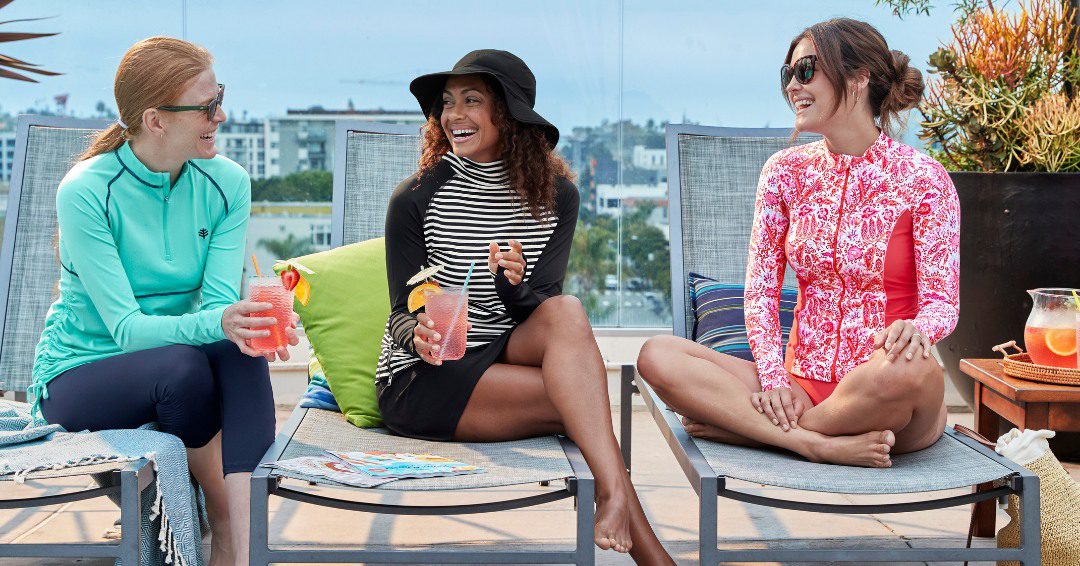
The effects of ultraviolet (UV) radiation on the skin have been well studied. UV exposure contributes to premature skin aging and is a major factor in the development of skin cancer. Taking steps to protect the skin can help reduce UV related damage over time. One option is UV protective clothing, which is designed to block or absorb a portion of UV radiation. For many people, these garments are a simple way to support daily sun safety.
In this article, we look at the effects of UV radiation, the different types of UV rays, and common strategies for reducing exposure. We also explore how sunscreen works, how much to apply, and why clothing plays an important role in overall protection. Finally, we explain what UPF clothing is and what to consider when choosing sun protective garments.
INDEX
- The Harmful Effects of UV Radiation
- Who Is Susceptible to Skin Cancer
- The Different Types of UV Radiation
- How to Protect Your Skin From UV Radiation
- How Sunscreen Works
- What Is SPF
- How Much Sunscreen Should I Use
- Is Sunscreen Enough
- What Is Sun Protective UPF Clothing
- What Is the Difference Between UPF and Regular Clothing
- Difference Between UPF and SPF
- Things to Consider When Buying Sunscreen Clothing
- Getting Help With Sun Protection Choices
THE HARMFUL EFFECTS OF UV RADIATION

Ultraviolet (UV) radiation from the sun is a major environmental factor that contributes to skin damage over time. Research shows that UV exposure can lead to changes in the skin such as premature aging, sunburn, and an increased risk of certain skin cancers.
For more information about how sun exposure relates to skin cancer, visit our Skin Cancer 101 page.
The skin has natural defence mechanisms that help limit UV related damage. Melanin, the pigment in the outer layer of the skin, absorbs and scatters UV rays. This is why some people tan when exposed to sunlight. Melanin can also act as an antioxidant, helping reduce some of the stress caused by UV radiation.
While melanin provides some protection, it is not enough to fully prevent UV related harm. Research continues to explore how pigmentation interacts with UV exposure, and evidence suggests that multiple factors influence how skin responds to the sun.
Because UV radiation can damage DNA in skin cells, consistent sun protection remains important for people of all skin tones.
WHO IS SUSCEPTIBLE TO SKIN CANCER
While the skin has natural ways to respond to UV exposure, these defences are not enough to prevent all potential harm. Certain types of skin cancer, including basal cell carcinoma and squamous cell carcinoma, often develop on areas that receive the most sun exposure, such as the face, neck, hands, and forearms. Melanoma can also be related to UV exposure, although genetics and other factors play a role.
Skin cancer can affect people of all ages and skin types, but some groups have a higher likelihood of developing it. Risk can increase for people who:
- spend long periods of time outdoors for work or recreation
- have a history of frequent or intense sunburns
- have fair skin, light hair, or light eyes
- have a personal history of skin cancer
- are over the age of 50
Understanding these factors can help guide sun safety habits. For practical ways to reduce UV exposure, visit our page on Sun Protection Tips.
THE DIFFERENT TYPES OF UV RADIATION
Ultraviolet (UV) radiation is part of the energy produced by the sun. It is classified into three main types based on wavelength.
UVA
UVA rays are not absorbed by the ozone layer and reach the earth’s surface throughout the year. They penetrate more deeply into the skin compared to UVB. Long term UVA exposure can contribute to signs of skin aging and plays a role in the development of certain skin cancers.
UVB
Most UVB radiation is absorbed by the ozone layer, but the portion that reaches the surface can cause sunburn and contribute to skin cancer risk. UVB rays are stronger at midday and during the summer months. They do not penetrate as deeply as UVA rays but carry more energy per photon, which is why they can cause visible reddening of the skin.
UVB
UVC rays are completely absorbed by the ozone layer and do not reach the earth’s surface. They are not a concern for everyday sun exposure.
All types of UV radiation can contribute to DNA damage in skin cells, which is why consistent sun protection is recommended.

HOW TO PROTECT YOUR SKIN FROM UV RADIATION
There are several ways to help reduce your exposure to UV radiation. Combining multiple approaches often provides more consistent protection than relying on a single method.
Avoid the midday sun
UV rays are usually strongest between 10 am and 4 pm, including on cool or cloudy days and at higher elevations. Planning outdoor activities outside these hours can help reduce exposure.
Seek shade
Finding shaded areas, such as under trees, canopies, or umbrellas, can lower the amount of direct UV radiation that reaches your skin. Shade does not block all UV rays, but it can significantly reduce overall exposure.
Avoid tanning beds
Tanning beds emit concentrated UV radiation. Research has shown that indoor tanning can increase the risk of developing certain types of skin cancer. A summary of these findings is available through the American Academy of Dermatology Association.
Wear a hat and sunglasses
Wide brimmed hats and UV protective sunglasses can help shield areas of the body that are commonly exposed, including the face, ears, neck, and the delicate skin around the eyes.
Use additional coverings
Items such as UV umbrellas, shawls, and blankets can offer extra coverage when spending long periods outdoors.
Choose UV protective clothing
garments can complement sunscreen use and may be helpful for people who spend long hours outdoors. More information is available in our guide to UV Protective Clothing.
Apply sunscreen to exposed skin
Broad spectrum sunscreen with SPF 30 or higher can help protect areas not covered by clothing. Sunscreen works best when applied generously and reapplied as directed on the label.
HOW SUNSCREEN WORKS
Sunscreens are formulated to help reduce the amount of UV radiation that reaches the skin. They are generally categorized by the type of active ingredients they use, although many products combine more than one type.
Physical (mineral) sunscreens
Physical sunscreens, sometimes called mineral sunscreens, create a protective layer on the surface of the skin that helps reflect and scatter UV rays. The most common mineral ingredients are zinc oxide and titanium dioxide.
Chemical sunscreens
Chemical sunscreens work by absorbing UV radiation and converting it into a small amount of heat, which is then released from the skin. Common active ingredients include filters such as avobenzone and octisalate. These products must meet regulatory safety requirements before they are approved for use.
Although mineral sunscreens are sometimes described as “natural,” they still rely on inorganic compounds. Chemical sunscreens use organic UV filters. Because terminology can be confusing, reviewing the ingredient list can help you understand how a product works.
Dermatology organizations often emphasize that the most effective sunscreen is the one that you apply correctly and reapply as directed. For guidance on how sunscreen fits into overall sun protection, visit our Sun Protection Tips page.

WHAT IS SPF?
SPF stands for sun protection factor. It describes how well a sunscreen can help reduce UVB exposure when used exactly as directed. UVB rays are the main cause of sunburn, and they also contribute to skin cancer.
An SPF rating compares how long it would take for UVB rays to redden the skin with sunscreen versus without it. For example, if you normally begin to redden after 15 minutes, an SPF 30 product may help extend that time when applied in the correct amount and reapplied as required.
As SPF values increase, the percentage of UVB rays that reach the skin decreases slightly. However, real-world protection is often lower than expected, because most people apply too little sunscreen or forget to reapply. This is why sunscreen should be used alongside other sun protection strategies.
You can learn more about SPF from the Skin Cancer Foundation.
HOW MUCH SUNSCREEN SHOULD I USE?
Getting proper protection depends on applying enough sunscreen and using it consistently. Most people only use a fraction of the recommended amount, which lowers the level of protection they receive.
For adults, the Skin Cancer Foundation recommends about 1 ounce of sunscreen for full-body coverage, which is roughly the amount that would fill a shot glass. The same guideline applies to any broad-spectrum sunscreen with SPF 30 or higher. Children over 6 months should have all exposed areas covered carefully, but there is no set volume because their size changes as they grow.
Reapplication is just as important as the amount used. Sunscreen can wear off through swimming, sweating, towel-drying, or simple time in the sun. Many people reapply far less often than needed, which reduces effectiveness. For most products, applying every two hours is recommended, but always check the label for specific instructions.
More information on sunscreen use is available through Health Canada.

IS SUNSCREEN ENOUGH?
Even though sunscreen is an important part of sun safety, it works best when used along with other protective measures. Sunscreen alone cannot fully prevent UV damage, especially when it is applied lightly, unevenly, or not reapplied throughout the day.
Many people do not use enough product or forget to reapply after swimming or sweating, which can significantly reduce the level of protection. Sunscreen can also break down over time with sun exposure, depending on the formula.
Because of these factors, adding other sun-safe habits makes a meaningful difference. Clothing with a UPF rating, hats with wide brims, and seeking shade during peak UV hours are all effective ways to lower exposure.
For an overview of skin cancer statistics in Canada linked to UV exposure, you can visit the Government of Canada website.
WHAT IS UV PROTECTIVE CLOTHING?
For an overview of skin cancer statistics in Canada linked to UV exposure, you can visit the Government of Canada website.
A higher UPF number means stronger protection. For example, clothing rated UPF 50 allows only about 2 percent of UV rays through. This reduces overall exposure in a way that sunscreen alone cannot match, especially during long periods outdoors or when sunscreen may wear off.
UPF-rated clothing is tested using standardized methods to measure performance against both UVA and UVB rays. It is available in a wide range of styles, from everyday shirts and pants to swimwear and outdoor gear.
WHAT IS THE DIFFERENCE BETWEEN UV PROTECTIVE CLOTHING AND REGULAR CLOTHING?
Regular clothing does provide some protection, but the level varies widely based on fabric type, colour, weave, fit, and condition. Many everyday garments are not designed with UV exposure in mind. For example, a lightweight cotton T shirt may offer a UPF of about 5, which means a significant amount of UV radiation can still reach the skin.
UV protective clothing, on the other hand, is specifically engineered to reduce UV penetration. These fabrics are tightly woven, sometimes treated with UV absorbing agents, and tested to confirm their UPF rating. Garments labelled UPF 40, 50 or 50 plus provide excellent protection for outdoor activity.
Because UPF clothing is created with consistent, reliable coverage in mind, it is often one of the most effective ways to reduce UV exposure during daily routines, sports, and travel.
THE DIFFERENCE BETWEEN UPF AND SPF
UPF and SPF both relate to sun protection, but they measure different things.
UPF refers to how much ultraviolet radiation can pass through a fabric and reach the skin. A higher UPF number means less UV is transmitted. For example, a UPF 50 fabric allows only about two percent of UV rays through.
SPF applies only to sunscreen and measures how long UVB rays take to redden the skin when the product is used as directed. While sunscreen can be very effective, its protection depends on applying enough product, applying it evenly, and reapplying as needed.
Together, UPF clothing and SPF sunscreen create a more complete approach to reducing UV exposure, since clothing covers large surface areas consistently while sunscreen protects the skin that remains uncovered.

THINGS TO CONSIDER WHEN BUYING SUNSCREEN CLOTHING
Not all fabrics provide the same level of UV protection, so a few key factors can help you choose clothing that offers reliable coverage.
Colour
Darker and brighter colours absorb more UV radiation than pale shades. This means they generally provide better protection by reducing the amount of UV that reaches your skin.
Construction
Tightly woven fabrics such as denim, canvas, wool, and some synthetic blends block more UV than thin or loosely woven materials. A quick way to check is to hold the fabric up to the light. If you can see through it easily, UV can pass through as well.
Fabric Type
Certain materials naturally offer better UV resistance. For example, unbleached cotton contains small amounts of lignin, which helps absorb UV radiation. Polyester, nylon, and specially treated synthetic blends also tend to provide higher protection. Some modern fabrics are treated with UV absorbing agents during manufacturing to increase their UPF rating.
Fit
Loose fitting garments often provide more protection than tight ones. When fabric stretches, the spaces between fibres widen, allowing more UV to pass through.
UPF Rating
Look for clothing with a labelled UPF rating. A rating of 50+ provides excellent protection and indicates the garment has been tested to confirm how much UV it blocks.
Coverage
More coverage means more protection. Long sleeves, high necklines, full length pants, and broad brim hats all reduce the amount of exposed skin.
Activity Considerations
Fabric can lose some UV protection when wet or stretched, especially during swimming or active outdoor sports. Choosing garments designed for these activities can help maintain coverage in different conditions.
GETTING HELP WITH SUN PROTECTION CHOICES
At Kelowna Skin Cancer Clinic, we support individuals who want to make informed choices about sun safety. Building habits that reduce UV exposure can make outdoor time more comfortable and more enjoyable.
If you have questions about sun protective clothing or other prevention strategies, you are welcome to contact the clinic for guidance. Our team can help you understand your options and point you toward resources that support sun smart living.
References:
- Briceno, L. et al. (2020). Parametric human modelling to determine body surface area covered by sun protective clothing. Ergonomics, 63(3), 293–306.
- Gruijl, F. R. (1999). Skin cancer and solar UV radiation. European Journal of Cancer, 35(14), 2003–2009.
- Brenner, M. & Hearing, V. J. (2009). The protective role of melanin against UV damage in human skin. Photochemistry and Photobiology, 84(3), 539–549.
- Centers for Disease Control and Prevention. (2021). UV Radiation.
- United States Environmental Protection Agency. Ultraviolet (UV) Radiation and Sun Exposure.
- American Academy of Dermatology Association. (2018). 10 Surprising Facts About Indoor Tanning.
- Skin Cancer Foundation. (2021). All About Sunscreen.
- Skin Cancer Foundation. (2020). Ask the Expert: Does a High SPF Protect My Skin Better?
- Cole, C., Appa, Y., & Ou-Yang, H. (2014). A broad spectrum high-SPF photostable sunscreen with a high UVA-PF can protect against cellular damage at high UV exposure doses. Photodermatology, Photoimmunology & Photomedicine, 30(4), 212–219.
- World Health Organization. (2002). Global Solar UV Index – A Practical Guide.
- RealSelf. (2019). 2019 Sun Safety Report.
- Gonzalez, S. et al. (2007). Photostability of commercial sunscreens upon sun exposure and irradiation by ultraviolet lamps. BMC Dermatology, 7, 1.


