
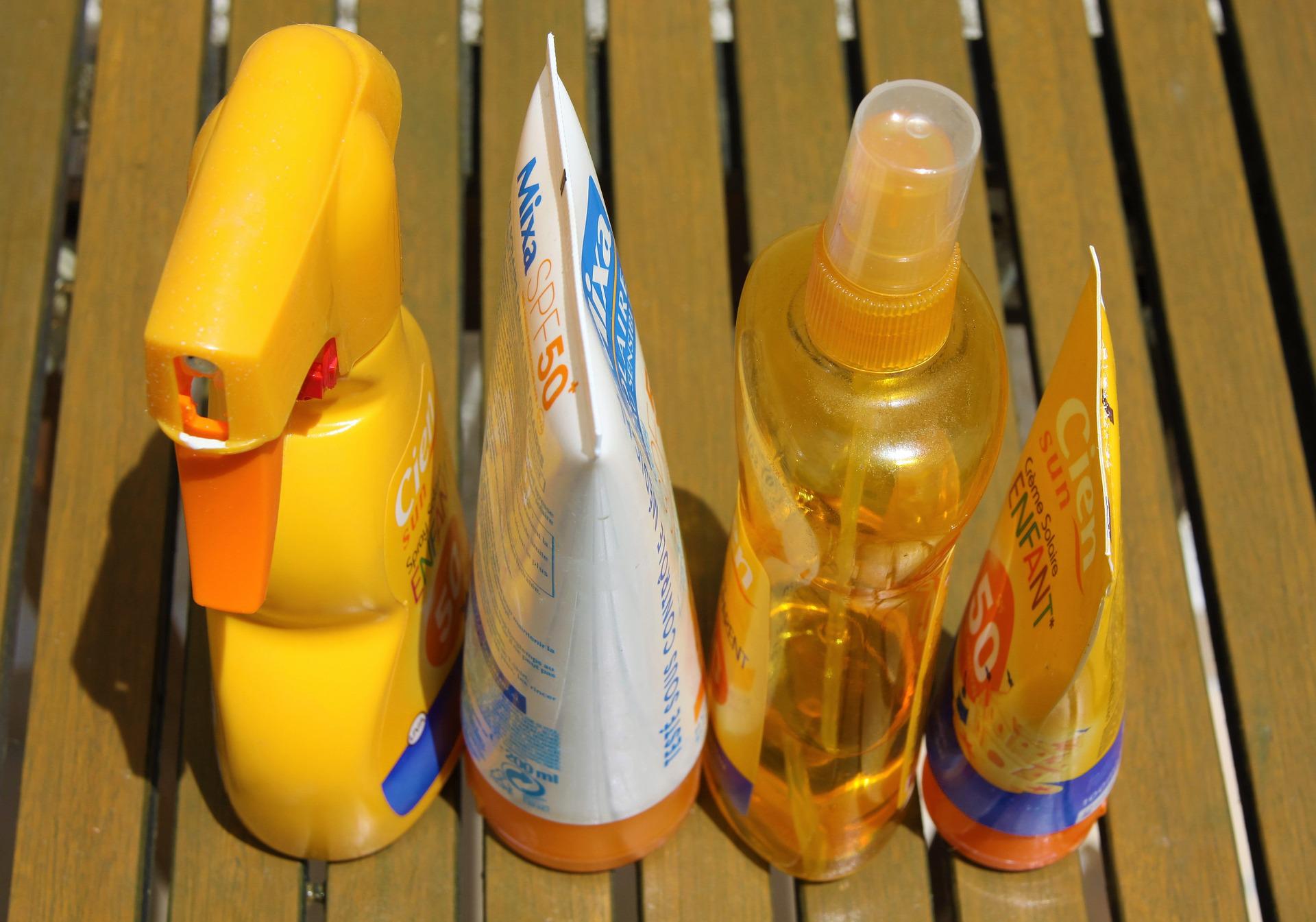
If you asked a room full of people whether they’ve ever had a sunburn, most would likely say yes. Sunburns are common, and many people rely on sunscreen to help reduce UV exposure when spending time outdoors. But when choosing a sunscreen, many people focus only on the SPF number without realizing there are two different types of sunscreen and several factors worth considering.
What Is SPF?
SPF stands for Sun Protection Factor. It describes how well a sunscreen helps protect the skin from UVB rays, the type of ultraviolet radiation most associated with sunburns. Because SPF relates specifically to UVB protection, choosing a sunscreen based on the number alone doesn’t always give the full picture.
Alongside SPF, it’s helpful to know that sunscreens come in two broad categories: chemical and physical. Each works differently and may suit different preferences or situations.

Types of Sunscreen
Chemical Sunscreens
Chemical sunscreens contain carbon-based ingredients that absorb UV rays and convert them into heat, which is then released from the skin. They are often lightweight, blend easily and tend to be more resistant to water and sweat. Because of this, some people prefer them for swimming or exercise.
Physical Sunscreens
Physical sunscreens, sometimes called mineral sunscreens, contain active ingredients such as zinc oxide that sit on top of the skin and reflect UV rays. These formulas are often thicker and may be more noticeable on the skin, but some people prefer them because they act as a physical shield against sun exposure.
Which Sunscreen Is Right for You?
There is no single “best” sunscreen –– different people and situations call for different options. A few general considerations may help guide your choice:
- Some individuals with sensitive skin may prefer mineral (physical) sunscreens, as certain chemical filters can sometimes cause irritation in those who are reactive to them.
- If you plan to swim or exercise, water-resistant chemical sunscreens may stay on the skin more effectively.
- Texture and appearance also matter; choosing a sunscreen you enjoy using makes you more likely to apply it consistently.
Both sunscreen types can be found in formulas containing organic or naturally derived ingredients if that aligns with your preferences.
Choosing a Sunscreen That Works for You
Chemical and physical sunscreens each offer benefits. The most important factor is finding a product you feel comfortable applying regularly and generously. When shopping, consider SPF, broad-spectrum protection, texture and how you’ll be spending your time outdoors.
If you have questions about sunscreen types or how to support sun safety in your daily routine, we’re here to help.


