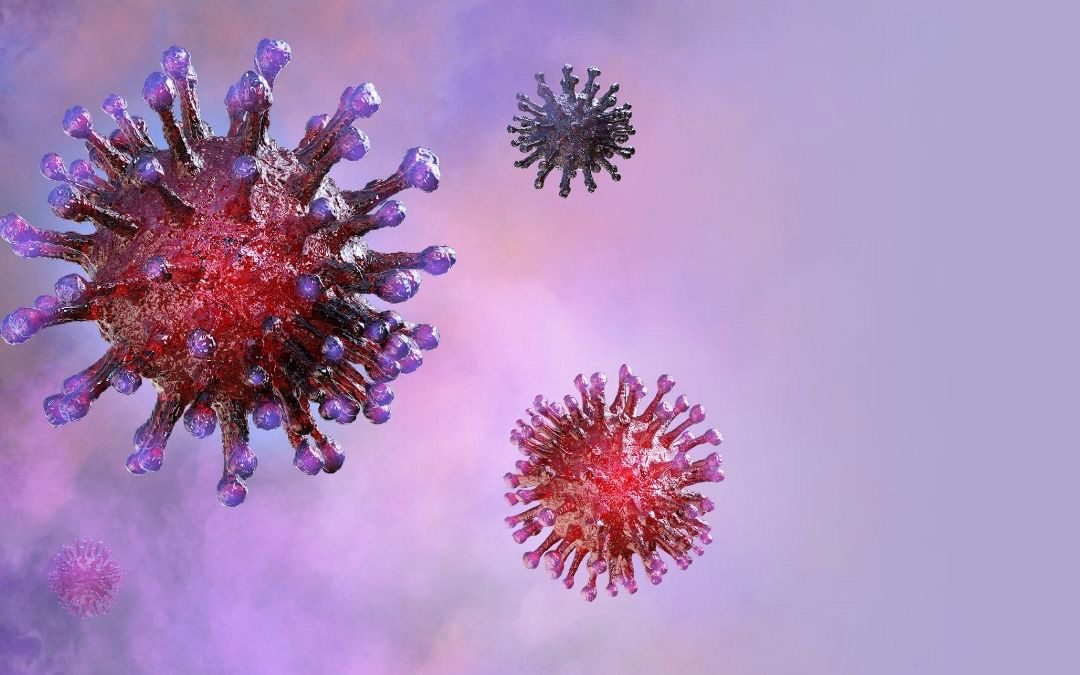
Most skin cancers are linked to long-term exposure to ultraviolet light, but researchers continue to explore other factors that may contribute to how skin cancers develop. One area of study is the possible connection between certain viruses and skin cancers that occur on areas of the body with limited sun exposure. This has led scientists to investigate whether the human papillomavirus, or HPV, may play a role in some forms of skin cancer, including cutaneous squamous cell carcinoma.
UV Exposure Is Still the Primary Risk Factor
UV radiation from the sun and tanning beds remains the major known cause of most skin cancers. You can learn more about how UV affects the skin on our skin cancer overview page. At the same time, researchers have been studying whether additional factors, such as certain infections, may also contribute to skin changes in a small number of cases
What We Know About HPV
HPV is a common virus with more than 200 known strains. Some strains are associated with conditions such as genital warts and cancers of the cervix, anus, and oral cavity. Vaccines are available for several high-risk strains to help lower the risk of HPV related disease.
In recent years, studies have explored whether high-risk HPV strains may also be linked to cutaneous squamous cell carcinoma. These findings are still being evaluated and do not prove that HPV directly causes this form of skin cancer. At this time, HPV is considered a possible contributing factor rather than a confirmed cause. More research is needed before clear conclusions can be made.
How Viruses Can Influence Cell Growth
Some viruses are known to interfere with normal cell growth and immune responses. In general, viruses may affect how cells repair damage or how the immune system identifies abnormal cells. A healthy immune system can usually clear HPV without long-term effects. In people with weakened immune systems, the virus may persist longer in the skin or mucous membranes.
HPV spreads through small breaks in the skin. This is why it can affect areas exposed during sexual contact, but it can also enter through everyday cuts or abrasions.
What This Means for Patients
If you have a history of HPV or concerns about how it may relate to your skin health, it is reasonable to discuss this with your medical professional. People who are immunosuppressed due to medical conditions or medications may benefit from regular skin checks. For guidance on what we look for during an exam, visit our skin screenings page.
There are currently no specific skin cancer guidelines based on HPV status. However, sharing your medical history can help your doctor determine the right approach to monitoring.
Emerging Research
Some studies have suggested that immunity to certain high-risk HPV strains may offer some degree of protection for the skin. Scientists are exploring whether future vaccines or targeted therapies may support antiviral immunity in the skin. These ideas remain under investigation, and many questions remain, including which HPV strains are most relevant and when testing may be useful.
Other Viruses Under Study
Researchers have also studied the possible role of other viruses in rare forms of skin cancer.
Merkel cell carcinoma
Merkel cell carcinoma is an uncommon but aggressive cancer. A polyomavirus has been detected in many cases, although most people who carry the virus never develop MCC. UV exposure and weakened immune systems are also considered important risk factors.
Kaposi’s sarcoma
Kaposi’s sarcoma is linked to human herpesvirus 8 and occurs more often in people who are immunocompromised, such as those living with HIV or those who have undergone organ transplantation.
UV Protection Is Still Key
While research continues to explore the role of viruses, UV radiation remains the primary known cause of most skin cancers. Protective habits play a major role in lowering UV exposure. This includes seeking shade, wearing UV protective clothing, using sunscreen, and doing regular skin self checks. For more sun safety basics, visit our Skin Cancer 101 post.
Staying informed and maintaining regular medical care are the most reliable ways to support your skin health.


