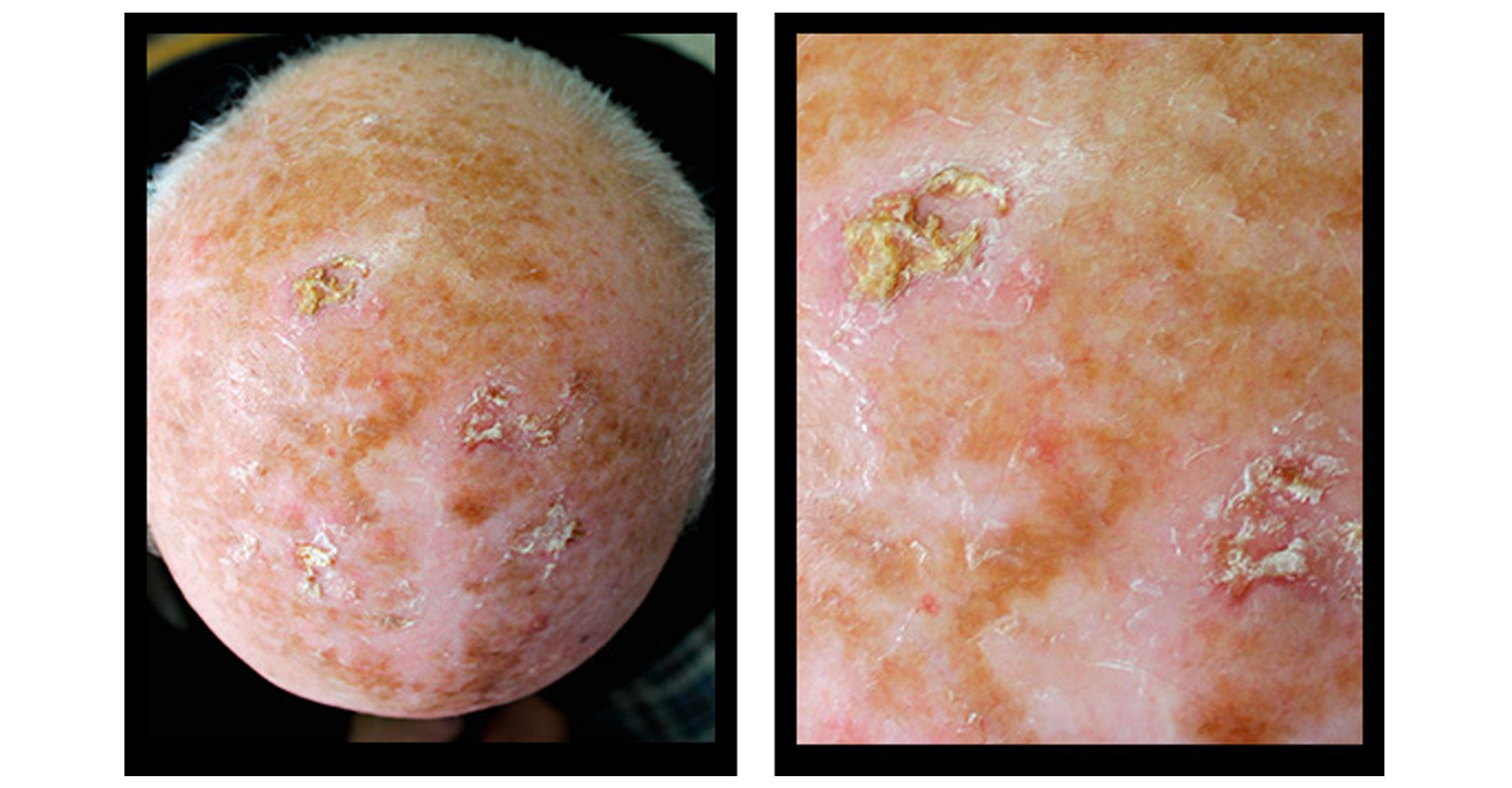
Actinic keratoses, often called pre cancerous lesions, are common and can be frustrating for many people. These spots may return even after multiple rounds of treatment. While liquid nitrogen is a familiar option, there are other approaches that may be appropriate depending on the person and the area being treated.
Photodynamic Therapy
Photodynamic therapy, or PDT, is one treatment option used for clusters of actinic keratoses on areas such as the face, scalp, or hands. Instead of targeting individual spots one at a time, PDT treats a broader area of skin where multiple lesions may be present. This can help manage existing lesions and may reduce the number of new ones that appear over time.
PDT is not suitable for everyone. It can involve some discomfort and requires careful preparation and follow up, but it may be considered for certain patients after a discussion with a qualified medical professional. You can learn more about how we assess skin concerns on our skin screenings page.
How PDT Works
PDT uses a light sensitive medication applied to the skin. After an appropriate waiting period, exposure to a controlled light source activates the medication. This process helps target abnormal cells in the treated area.
In recent years, newer forms of PDT allow for activation using regular daylight rather than only artificial light sources. Daylight PDT can be less uncomfortable for some patients, although individual experiences vary. Medication, preparation steps, and timing will be reviewed during your visit to ensure safe and appropriate use.
What to Expect With Daylight PDT
The treatment plan may include the following steps:
- A broad spectrum sunscreen with SPF 30 or higher is applied to protect against UV rays without blocking visible daylight needed for activation.
- Thick or crusted areas of actinic keratoses may be gently prepared to help the medication absorb.
- A photosensitizing cream is applied to the treatment area.
- Daylight exposure usually begins within 30 minutes of application and continues for about two hours, depending on the protocol recommended for you.
- After daylight exposure, the skin is washed and protected from further light.
- Patients are often advised to stay indoors for the next 48 hours.
Your clinician will provide detailed instructions based on your skin type, treatment area, and medical history.
How the Skin Responds After Treatment
It is common to experience temporary reactions in the treated area. These may include:
- Tenderness or swelling
- Stinging or itching
- A mild to moderate burning sensation
- Redness or flushing
- Temporary lightening or darkening of the skin
- Dryness, crusting, or mild scabbing
These effects usually peak within a few days and improve over the following weeks. If you have concerns during recovery, you can contact your clinician for guidance.
While actinic keratoses can be persistent, several treatment options are available and your clinician can help determine which approach may be appropriate for you. For more information about sun related skin changes, visit our Skin Cancer 101 post.
If you have questions about PDT, actinic keratoses, or your skin health, you are welcome to contact us.


