
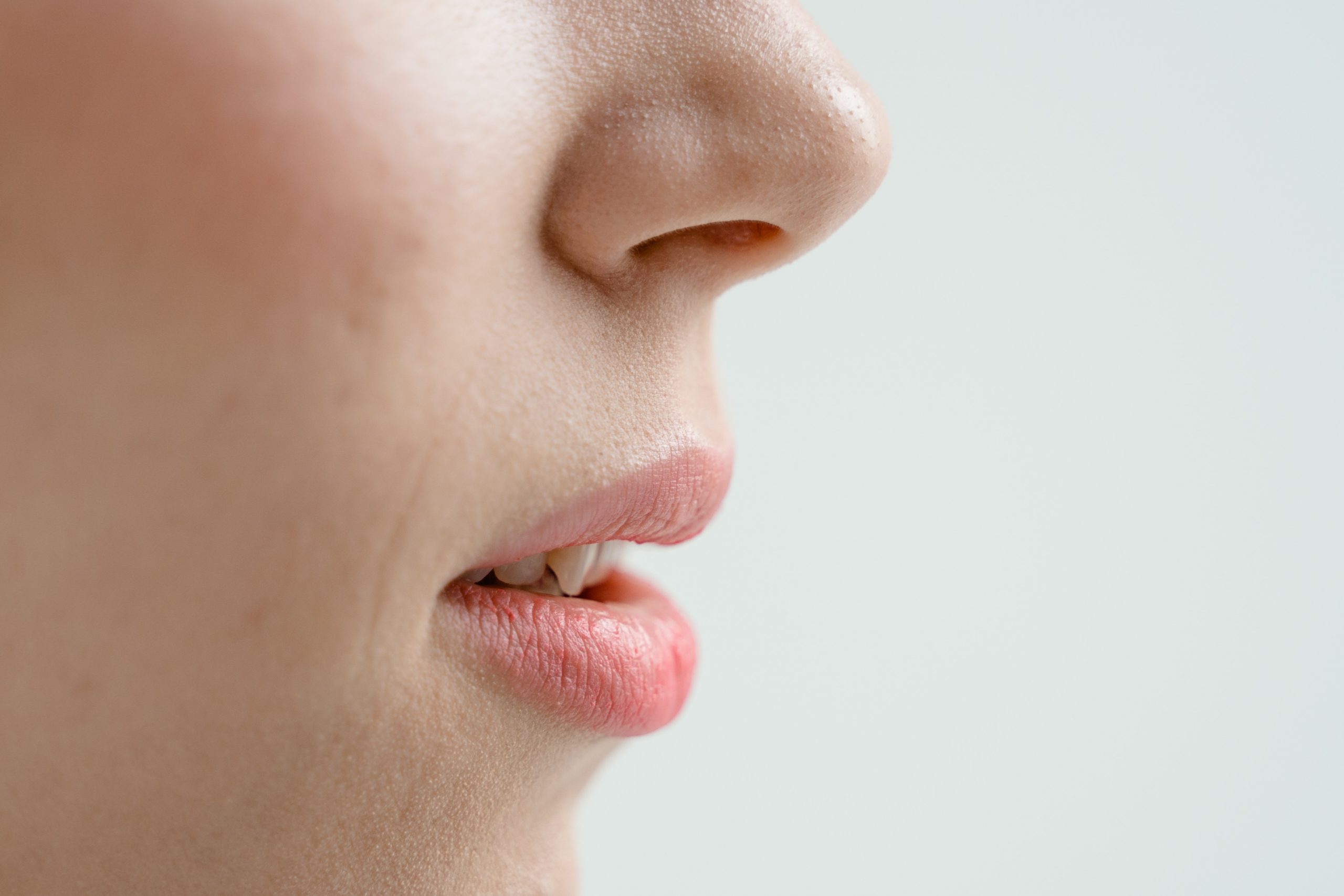
Dry or cracked lips are very common, especially in cold or dry weather. In most cases, this is not a cause for concern. However, when lip changes persist over time, they may be a sign of a condition called actinic cheilitis, which is related to long term sun exposure.

What Is Actinic Cheilitis?
Actinic cheilitis is a sun related change that affects the lip, most often the lower lip. It can look like ongoing chapped lips at first, then may become rough, scaly, or develop pale or white areas. Although actinic cheilitis is usually painless, it can sometimes progress to a type of skin cancer called squamous cell carcinoma if left untreated.
You can learn more about common skin cancer types on our skin cancer overview page.
Actinic cheilitis is more often seen in adults who have spent many years outdoors. People with lighter skin tones, a history of frequent sunburns, or a history of skin cancer may also be more likely to develop it. Using a lip balm that contains SPF can help reduce UV exposure to the lips.
Symptoms of Actinic Cheilitis
Early symptoms may include:
- Dry, cracked, or rough lips that do not improve
- A patch that looks pale, white, red, or swollen
- A sandpaper like texture on part of the lower lip
- Blurring of the line between the lip and surrounding skin
These changes usually occur on the lower lip and tend to develop slowly over time.
Causes and Risk Factors
Actinic cheilitis develops from many years of sun exposure. People who work or spend extended time outdoors, such as gardeners, construction workers, or outdoor athletes, may have a higher chance of developing it. Having a lighter skin tone, a history of sunburns, or a weakened immune system can also increase risk.
Diagnosis
A medical professional can often recognize actinic cheilitis based on how the lip looks and your history of sun exposure. In some cases, a small biopsy may be recommended to confirm the diagnosis. This involves removing a small sample of tissue from the affected area for laboratory analysis.
Treatment Options
Treatment aims to remove damaged cells and reduce the chance of progression. Options may include:
- Topical medications prescribed by a clinician for use on the lip
- Cryotherapy, where the area is briefly frozen
- Other minor procedures that remove or treat the affected tissue
Your physician will recommend an approach based on the extent of the changes and your overall skin health.
Preventing Actinic Cheilitis
While it is not possible to prevent all sun related skin changes, some steps can help reduce UV exposure:
- Wear a wide brimmed hat to shade your face
- Use a lip balm with SPF and reapply regularly
- Seek shade during midday hours when sun is strongest
- Protect the rest of your skin with clothing and sunscreen
- Have regular skin checks, especially if you have had sun related conditions before
For guidance on everyday sun protection, visit our Skin Cancer 101 post. If you notice changes to your lips that do not improve, consider contacting us for support.


