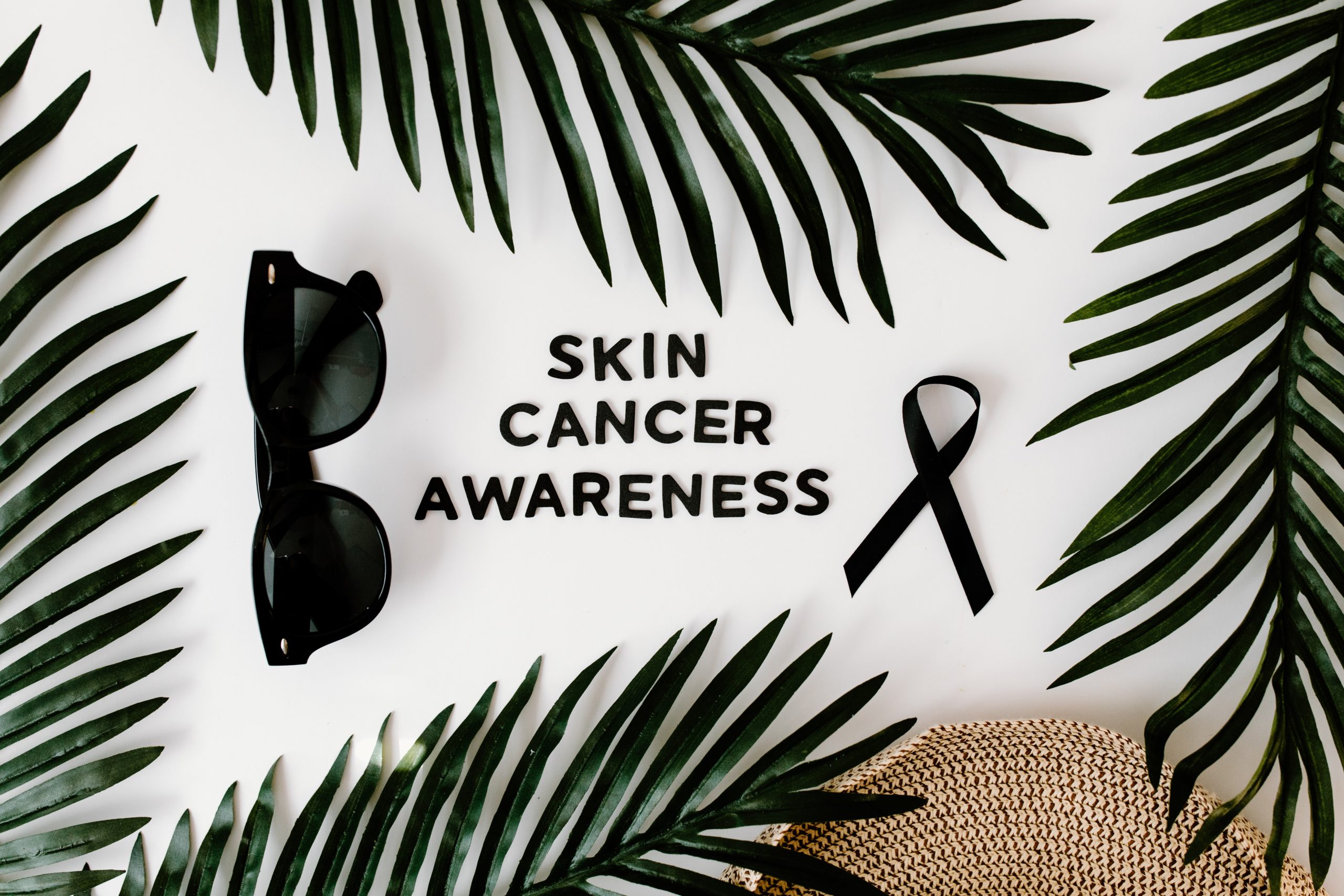
With May marking Skin Cancer Awareness Month and summer on the way, this is a great time to build healthy sun habits. Small daily routines can make a meaningful difference in long term skin health. Our 31 Day Sun Smart Challenge encourages you to practise simple protective steps throughout the month and beyond.
Why This Challenge Matters
Skin cancer can affect people of any age or skin type. Most skin cancers are linked to ultraviolet (UV) exposure from the sun or tanning beds, which means sun protection is an important part of lowering overall risk. Learning about your personal risk factors and practising regular sun safety helps support early detection and healthier skin over time.
Sun protection is helpful at every age. Children benefit from learning safe habits early, and adults can improve their skin health even after many years of sun exposure.
To learn more about sun protection basics, visit our Skin Cancer 101 post.
The Sun Smart Challenge Tips
1. Seek Shade
Try to spend time in the shade, especially between 10 am and 4 pm, when the sun is typically strongest. A simple guideline is the “shadow rule”: if your shadow is shorter than you are, UV radiation is usually more intense.
2. Avoid Sunburn
Sunburns indicate UV damage to the skin. Repeated sunburns over a lifetime can increase the risk of developing skin cancer. Using shade, protective clothing, and sunscreen helps reduce this risk.
3. Skip Indoor Tanning
Indoor tanning exposes the skin to concentrated UV radiation. Research has shown that UV radiation from tanning devices increases the risk of skin cancer. Avoiding indoor tanning supports long term skin health.

4. Wear Protective Clothing and Accessories
Choose clothing with tightly woven fabric in darker or bright colours for added UV protection. Hats with a wide brim and UV blocking sunglasses also help protect the face and eyes. For more information, visit our Guide to UV Protective Clothing article.
5. Use Broad Spectrum Sunscreen
Apply a broad spectrum sunscreen with SPF 30 or higher. For extended outdoor activity, choose a water resistant option and reapply as directed on the label, especially after swimming or sweating.
Children over six months may use sunscreen, but clothing and shade should remain their primary protection. Babies younger than six months should be kept out of direct sun.
6. Examine Your Skin
Regular self checks help you notice new spots or changes over time. If a mole or mark looks different, or a new spot appears and does not heal, consider booking an assessment. For more information on how we examine the skin, visit our skin screenings page.
7. Visit a Healthcare Provider
Self-checks can help you stay aware of changes in your skin, and many people also choose to speak with a qualified healthcare provider for further guidance. If you have questions about your skin or would like more information about our services, please feel free to contact the clinic.


