Each year, many people in British Columbia are diagnosed with skin cancer. Understanding the factors that may increase personal risk can help people make informed choices about sun protection and routine skin checks.
UV radiation and skin cancer risk
Ultraviolet radiation from the sun is one of the main contributors linked to skin damage. A person’s risk may be higher if they experienced frequent sunburns in childhood or long-term sun exposure over many years. Daily sun protection, such as using sunscreen and seeking shade, can help reduce UV exposure.
A simple rule to understand when the sun’s rays are strongest is to look at your shadow. When your shadow is shorter than you are, UV levels are generally higher. Artificial sources of UV radiation, such as tanning beds, can also contribute to increased risk.
Changes in our skin as we age
Moles are common, and most are harmless. People with a large number of moles, or with moles that look unusual, may have a higher likelihood of developing melanoma compared with those who have fewer moles. Any noticeable changes in a mole’s size, shape, or colour should be assessed by a qualified health-care provider.

What role does eye or skin colour play?
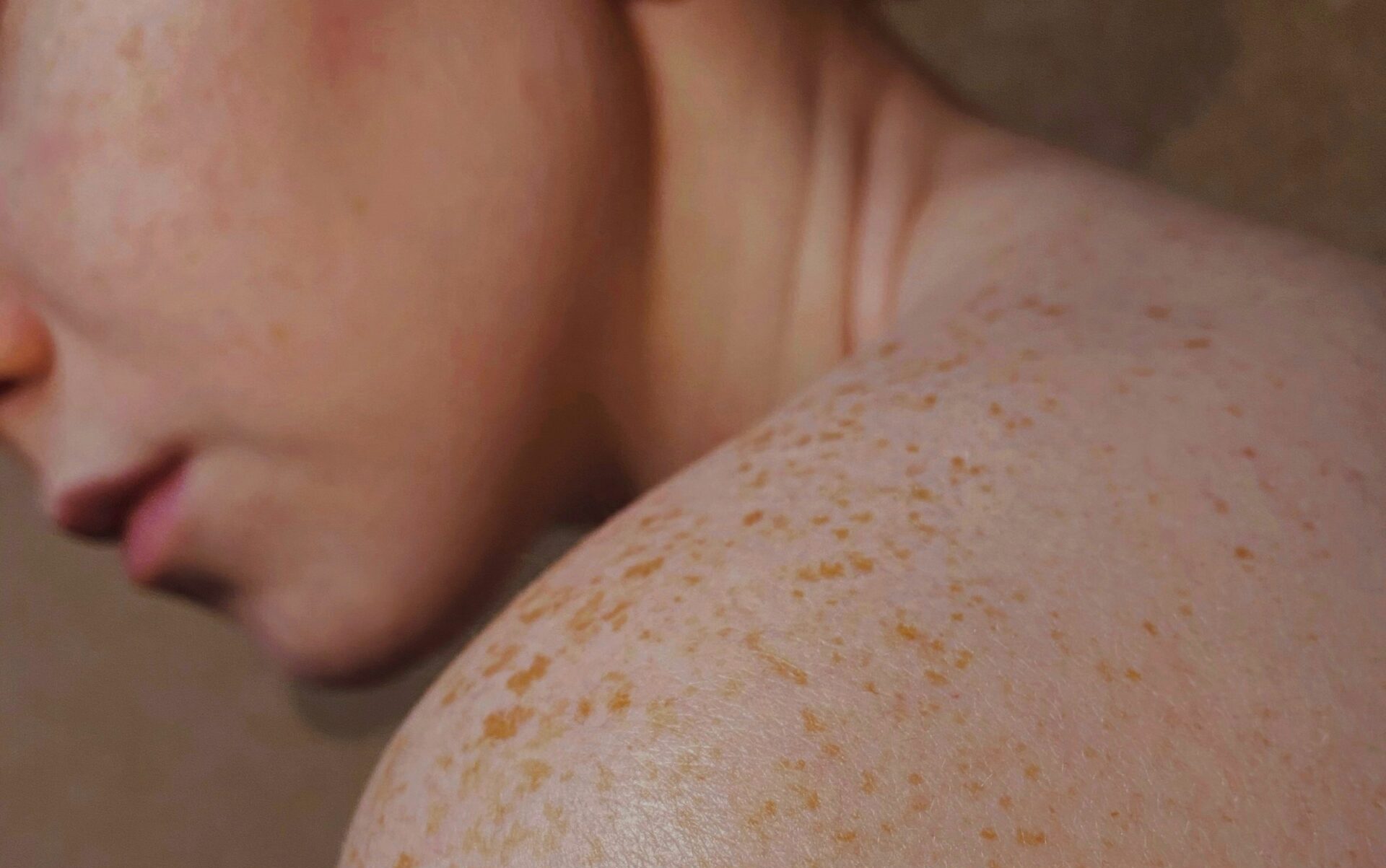
Individuals with lighter skin tones, light eyes, and light or red hair naturally have less melanin, a pigment that offers some protection against UV damage. People with lighter features may wish to be especially mindful of sun protection, including sunscreen and protective clothing.
Family history
A family history of skin cancer, particularly in immediate relatives, may increase a person’s overall risk. This may be influenced by shared genetic traits, as well as similar sun exposure patterns over time.
Staying aware of changes
The factors outlined above are not a complete list, but they represent some of the more commonly recognized contributors to skin cancer risk. Practising everyday sun safety, wearing protective clothing, and being familiar with your skin can help you notice changes early. Monthly self-checks may help people stay aware of new or changing moles.
If you see something on your skin that concerns you, your family physician can assess it and, if appropriate, provide a referral to the Kelowna Skin Cancer Clinic for further evaluation.


