The skin is the body’s largest organ. It helps regulate temperature and protects us from heat, light, injury and infection. Because it is exposed to the environment every day, caring for your skin is an important part of overall health. Long-term exposure to ultraviolet (UV) radiation can damage the skin and may contribute to the development of skin cancer.
Skin cancer is one of the most commonly diagnosed cancers. It can appear anywhere on the body, though it is most often found on areas that receive frequent sun exposure such as the face, neck and hands. Understanding the different types of skin cancer and how to reduce your risk can help support early detection and healthy skin practices.
The Main Types of Skin Cancer

There are three main types of skin cancer:
Basal cell and squamous cell carcinomas make up the majority of skin cancer cases. These non-melanoma skin cancers generally grow slowly and are often treatable when found early. Melanoma is less common but more serious, as it has a greater potential to spread to other parts of the body if not detected promptly.
Skin cancer begins when changes occur within the DNA of skin cells. These changes can cause cells to grow in an uncontrolled way. UV radiation from the sun is one of the main factors associated with skin cancer development. UV rays from indoor tanning equipment can have similar harmful effects.
Who Is at Risk?
Anyone can develop skin cancer, but certain factors may increase risk, including:
- fair or freckled skin that burns easily
- a history of frequent sun exposure or sunburns
- living in sunny or high-altitude climates
- a family history of skin cancer
- working outdoors
- exposure to certain chemicals
- a weakened immune system
Skin Cancer Prevention
While not all cases can be prevented, there are steps that may help reduce your risk of skin cancer:
Avoid midday sun
UV radiation is strongest between 12 pm and 4 pm. When possible, plan outdoor activities outside these hours or seek shade to limit direct exposure.
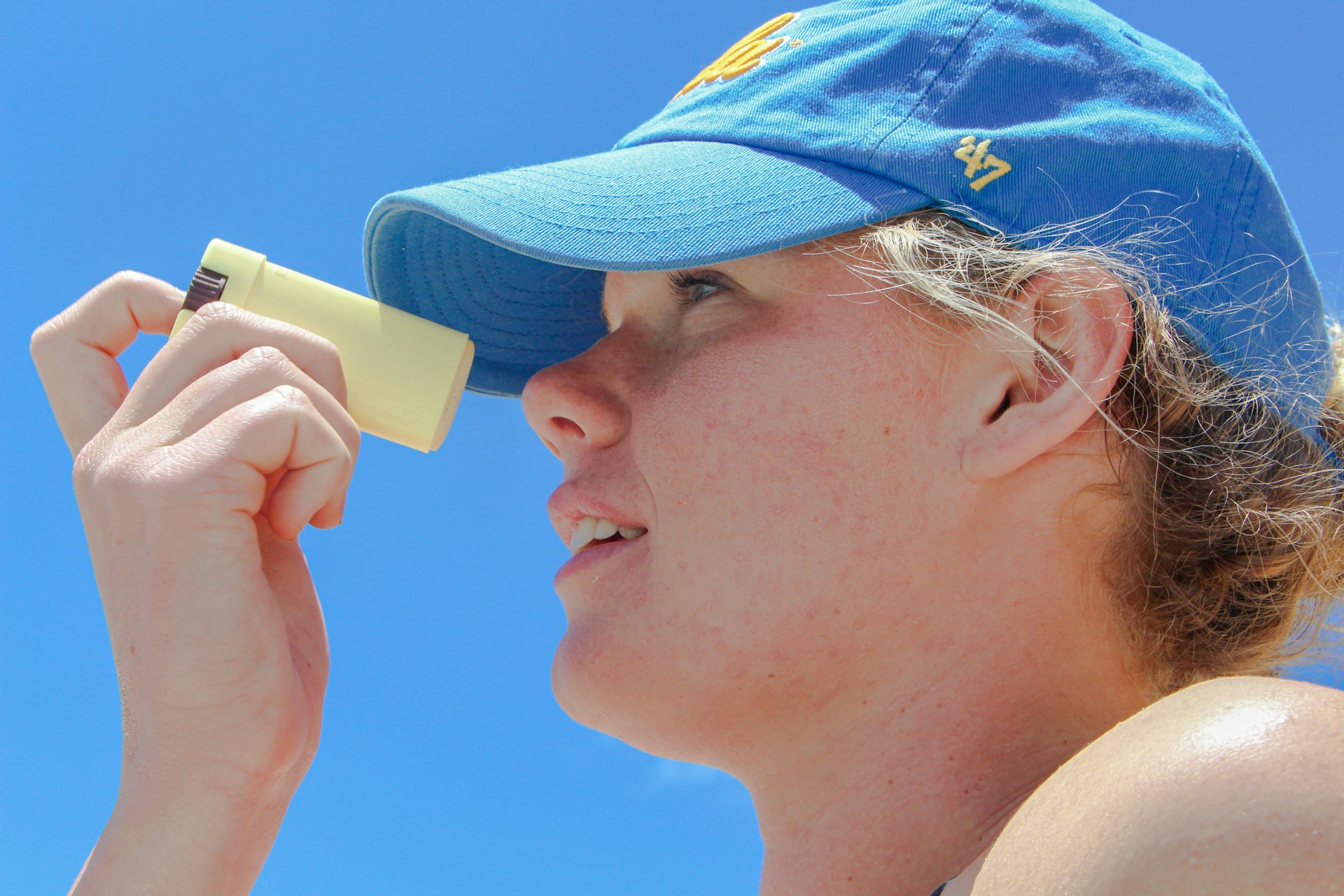
Wear sunscreen year-round
Use a broad-spectrum sunscreen with SPF 30 or higher, even on cloudy days. Sunscreen helps reduce UV exposure when applied correctly and re-applied regularly.
Cover your skin
Protective clothing can add another layer of defence. Long-sleeved shirts, long pants, wide-brimmed hats and UV-protective sunglasses can help shield your skin and eyes from the sun.
Supporting Skin Health
Paying attention to your skin, understanding your personal risk factors and practicing year-round sun protection can all support long-term skin health. If you notice a new or changing spot, or have concerns about sun damage, speaking with your healthcare provider can help guide next steps.


