In this post, we’re taking a closer look at free radicals, antioxidants, and how they relate to overall skin health.
What are free radicals?
Free radicals occur at the atomic level. They are unstable atoms or molecules with an unpaired electron, which makes them highly reactive. To stabilize themselves, they steal electrons from nearby molecules, creating a chain reaction known as a free radical cascade.
The damaging effects
Free radicals can overwhelm the body’s natural defences and cause oxidative stress. Over time, oxidative stress contributes to tissue damage and has been linked with conditions such as cancer, diabetes, eye disease, Parkinson’s disease, aging, and skin changes.
In the skin, oxidative stress can lead to wrinkles, discolouration, and other signs of aging. It also plays a role in how the skin responds to UV exposure.

Antioxidants to the rescue
One of the ways the body manages free radicals is through antioxidants. Often described as “free radical scavengers,” antioxidants help neutralize unstable molecules before they can cause further damage.
You don’t need anything exotic to get antioxidants. They occur naturally in many foods and are also found in vitamins such as Vitamin C, Vitamin E, and beta-carotene.
Fending off skin damage
This is encouraging news for anyone interested in maintaining healthy skin. Choosing foods rich in antioxidants can support the body as it responds to everyday stressors, including UV exposure. While antioxidants don’t guarantee disease prevention, incorporating antioxidant-rich foods into your daily routine is a simple way to support overall skin health.
Natural sources of antioxidants
Some foods that are high in antioxidants include:
- blueberries
- blackberries
- pecans
- artichokes
- kidney beans
- elderberries
- cranberries
- cilantro
- goji berries
- dark chocolate
- tomatoes
- carrots
- strawberries
- kale
- broccoli
- grapes
- sweet potatoes
If these foods don’t appeal to you, vitamin supplements may also help you increase your antioxidant intake. Just remember: supplements are not a replacement for sun protection.
UV exposure increases free radical activity, so antioxidants can play a supportive role in your routine. Some sunscreens now include antioxidants, and antioxidant serums—such as Vitamin C or Vitamin E—may offer additional benefits. Whether you apply them in the morning or evening, the key is consistent use.
Incorporating antioxidants every day
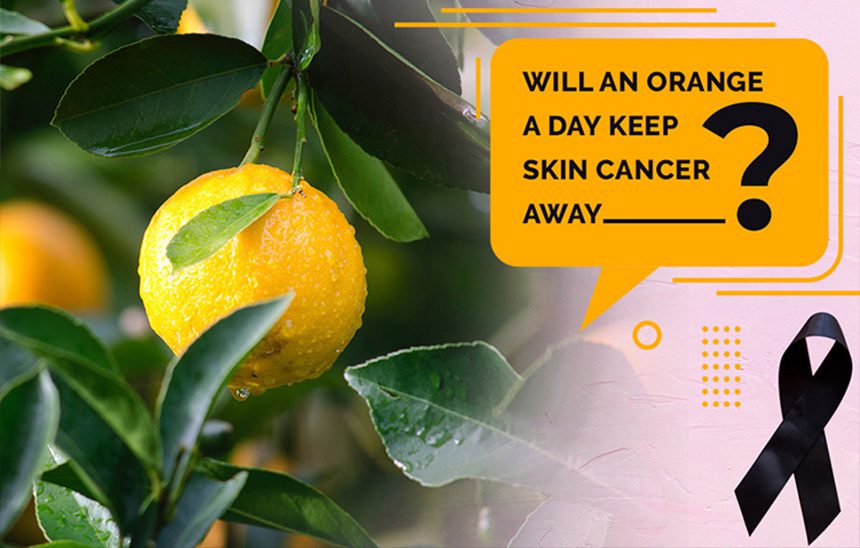
So, will an orange a day keep skin cancer away? At this point, there is no evidence that any single food can prevent skin cancer. However, antioxidant-rich foods and skincare products can help support your skin’s ability to cope with environmental stress. Combined with proven prevention strategies (such as daily sunscreen use, wearing protective clothing, and regular skin examinations) they can be a meaningful part of your overall routine.
So go ahead and enjoy those oranges!


