


Skin Cancers
Understanding common types of skin cancer
Learning about how skin cancer appears and develops can help you recognize changes earlier and know when to seek medical assessment. This page provides general information about different skin cancers and the factors that may increase risk.
Our goal is to offer clear, reliable information to support your awareness and help you make informed decisions about your skin health.
Actinic keratosis
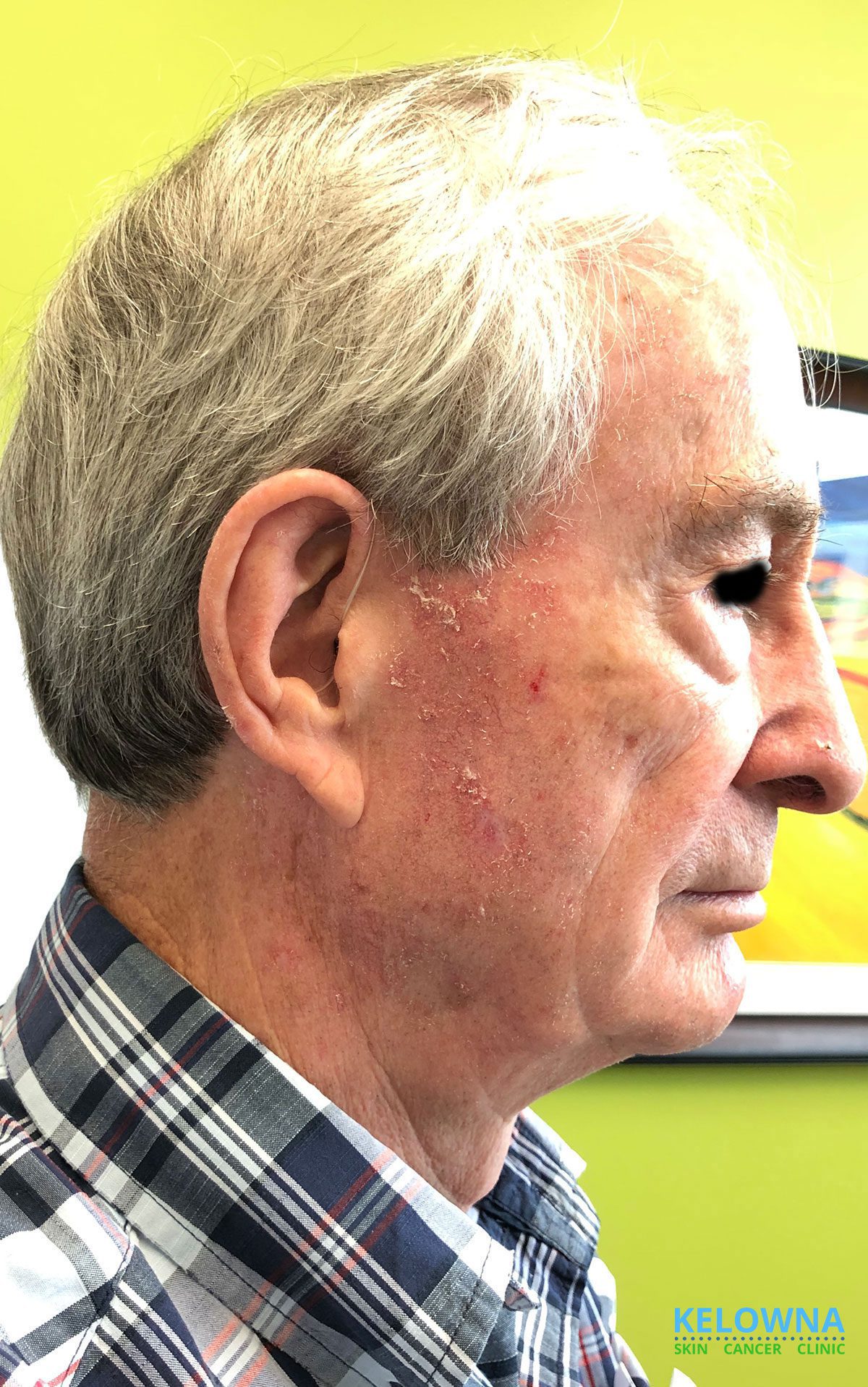
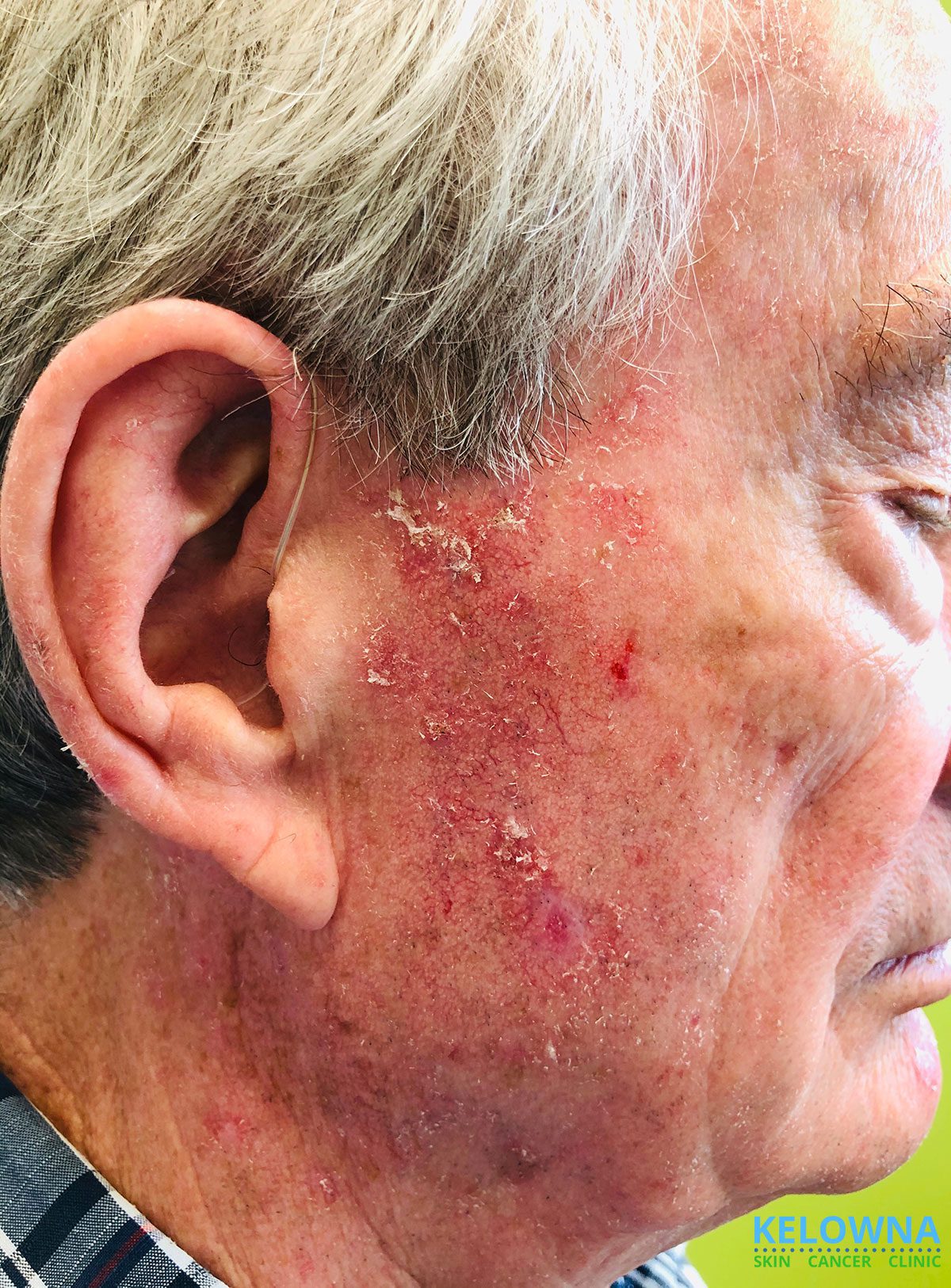
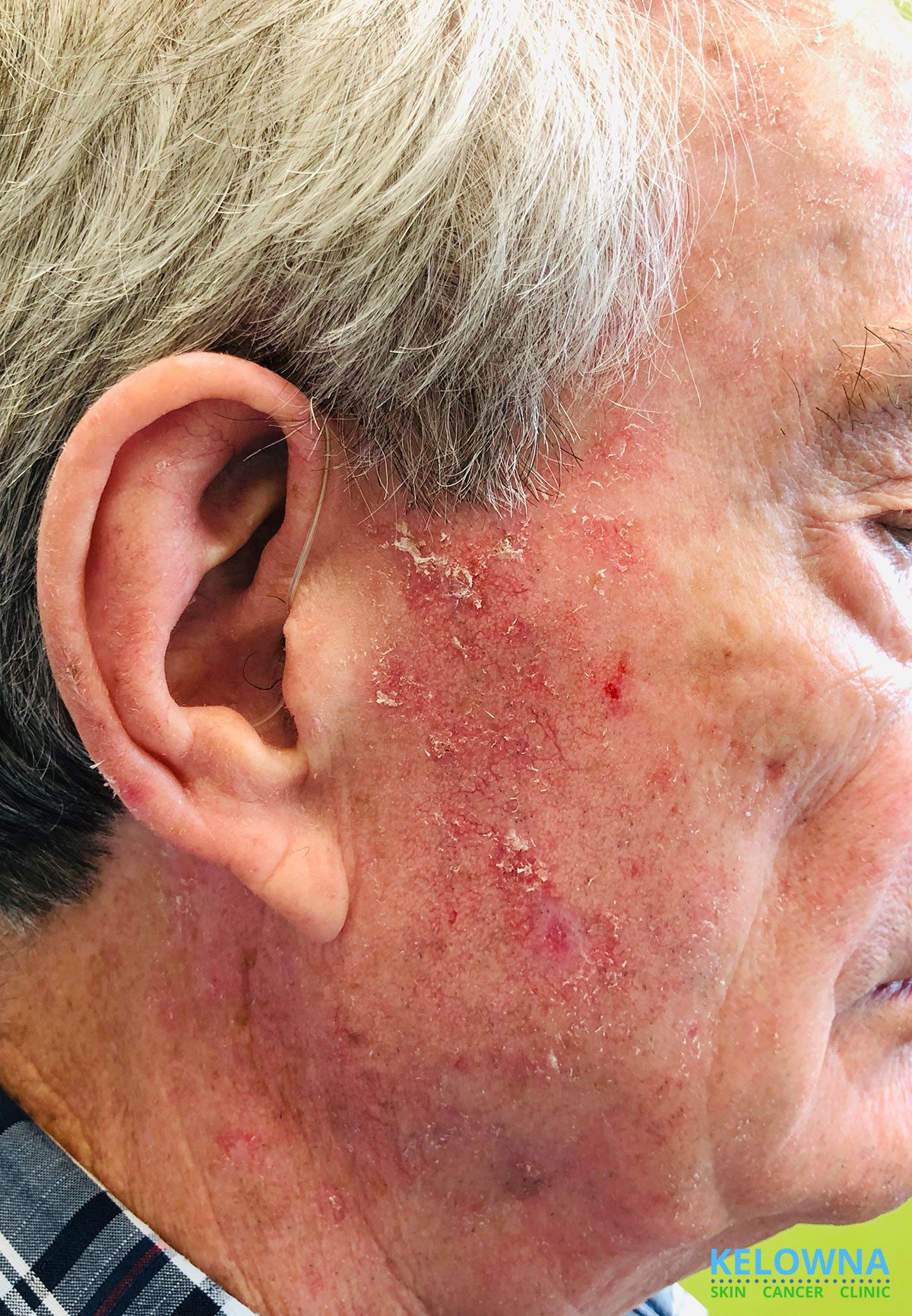
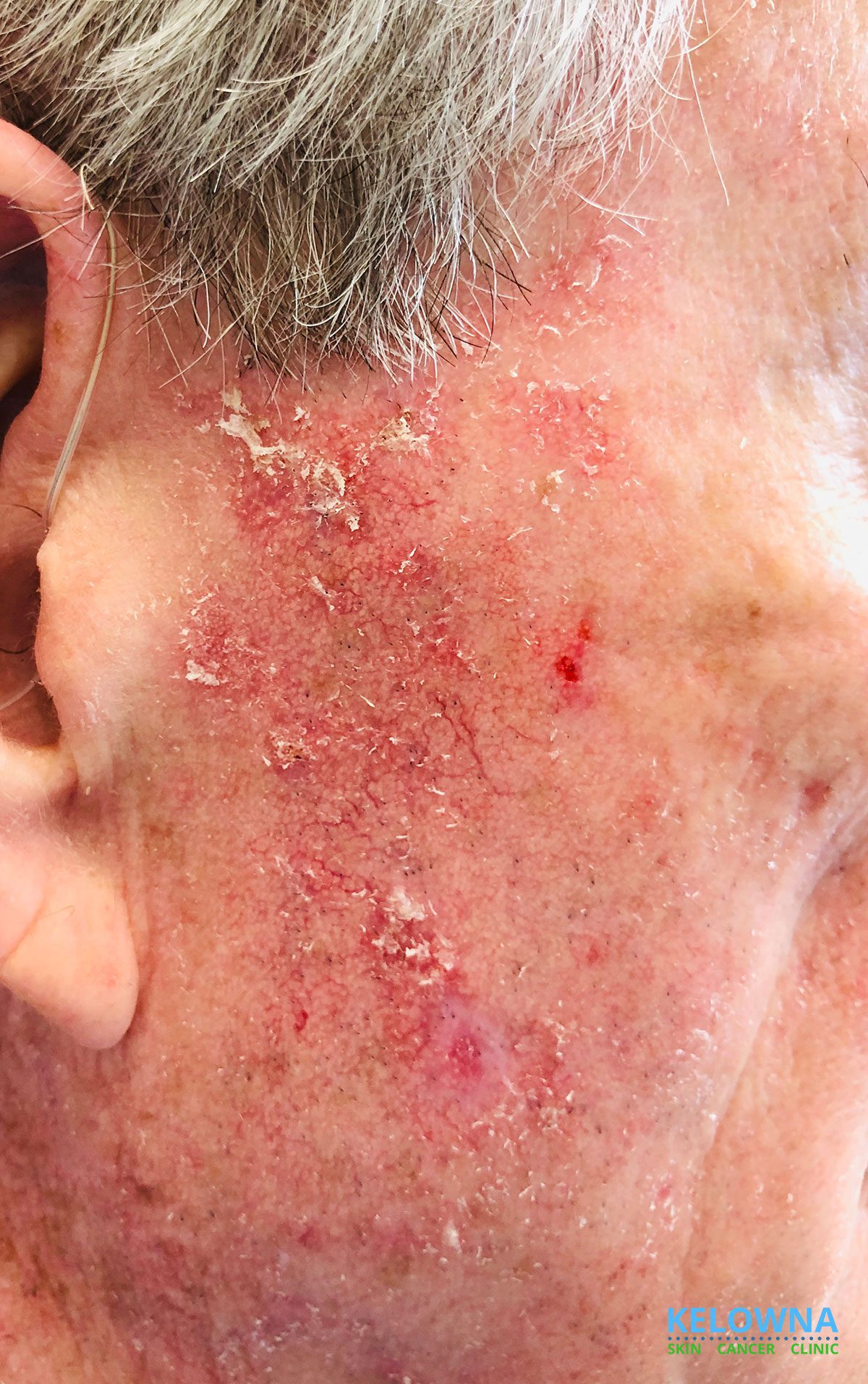
Actinic keratosis, also called solar keratosis, is a common precancerous skin condition caused by long-term exposure to ultraviolet (UV) light from the sun or indoor tanning. While it cannot always be fully cleared, it can often be managed with appropriate treatment recommended by your healthcare provider. What to watch for:
- Flat or slightly raised spots that feel crusty, rough, or scaly
- Red, pink, skin-coloured, or silvery patches
- Lesions commonly appearing on the face, ears, scalp, neck, shoulders, forearms, and backs of the hands
- Areas that may be more extensive than they appear on the surface
Basal cell carcinoma
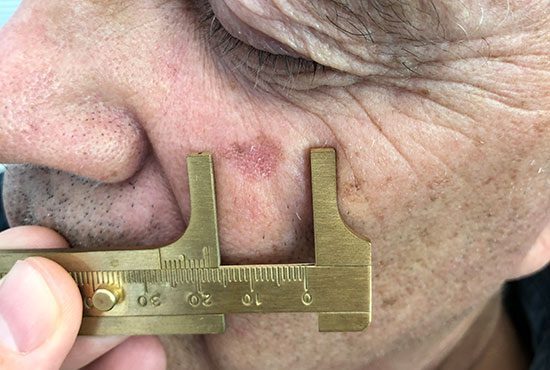
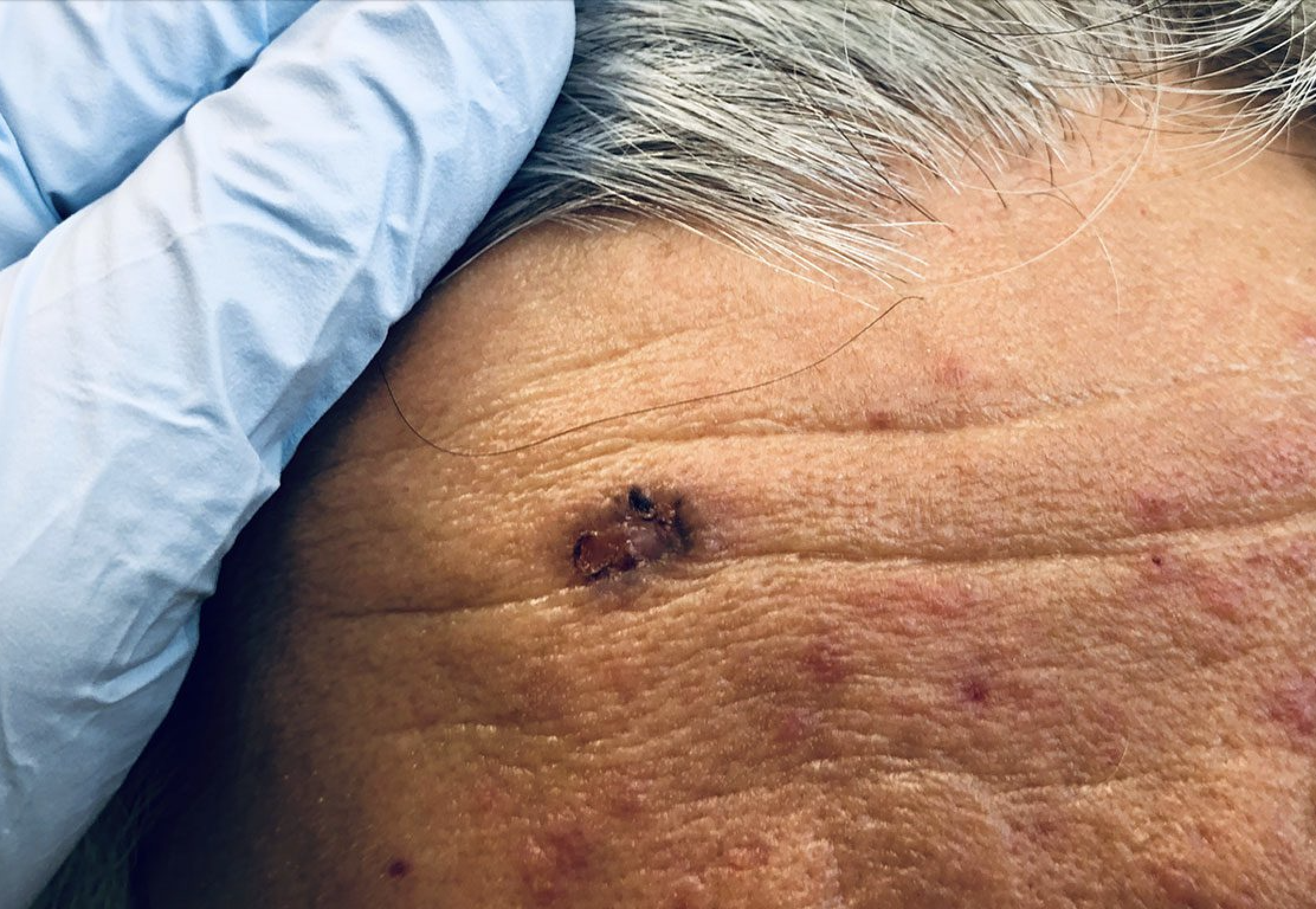
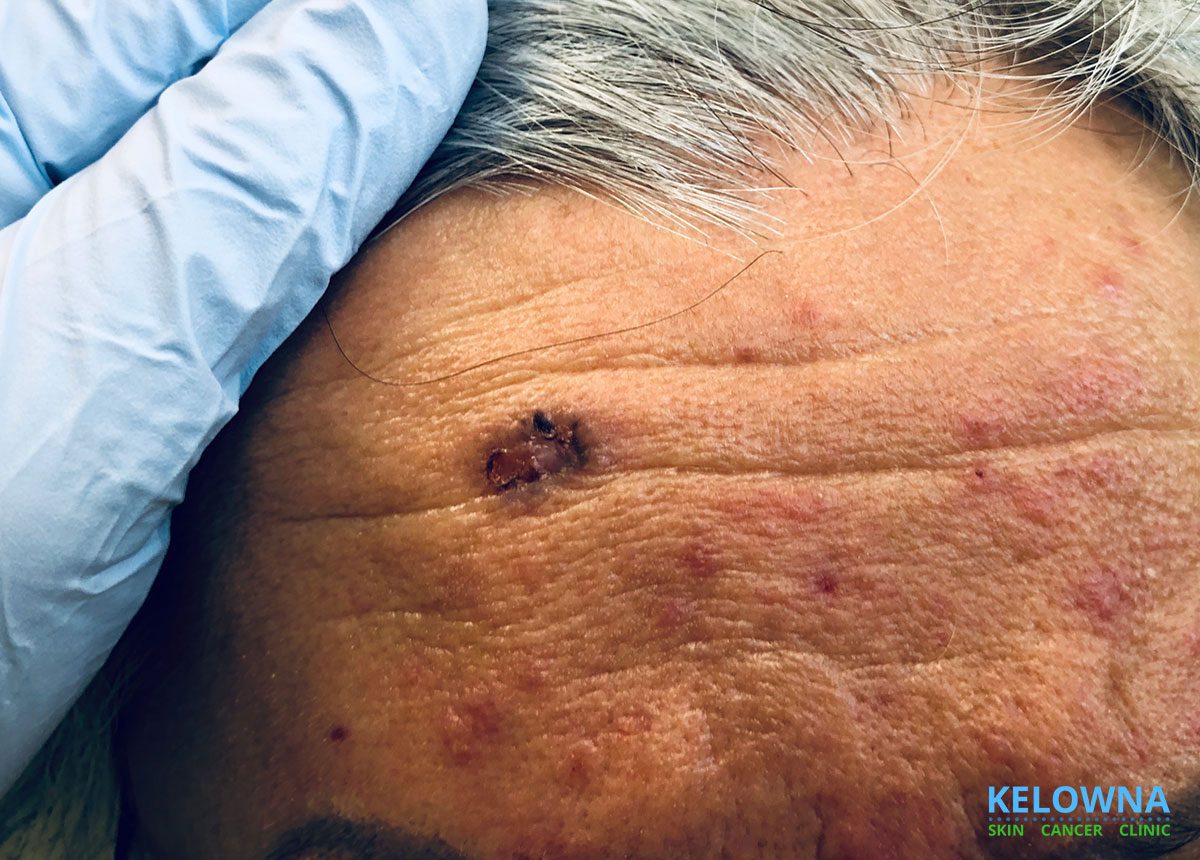
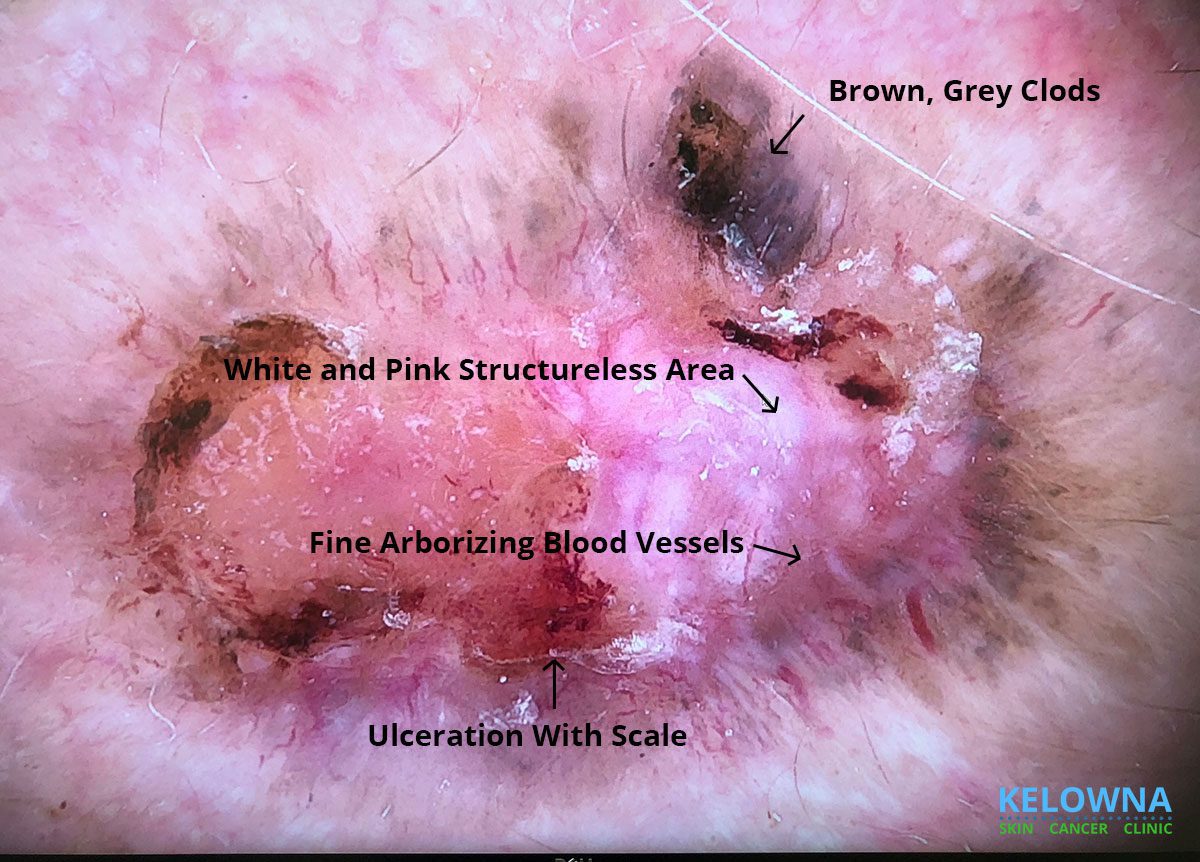
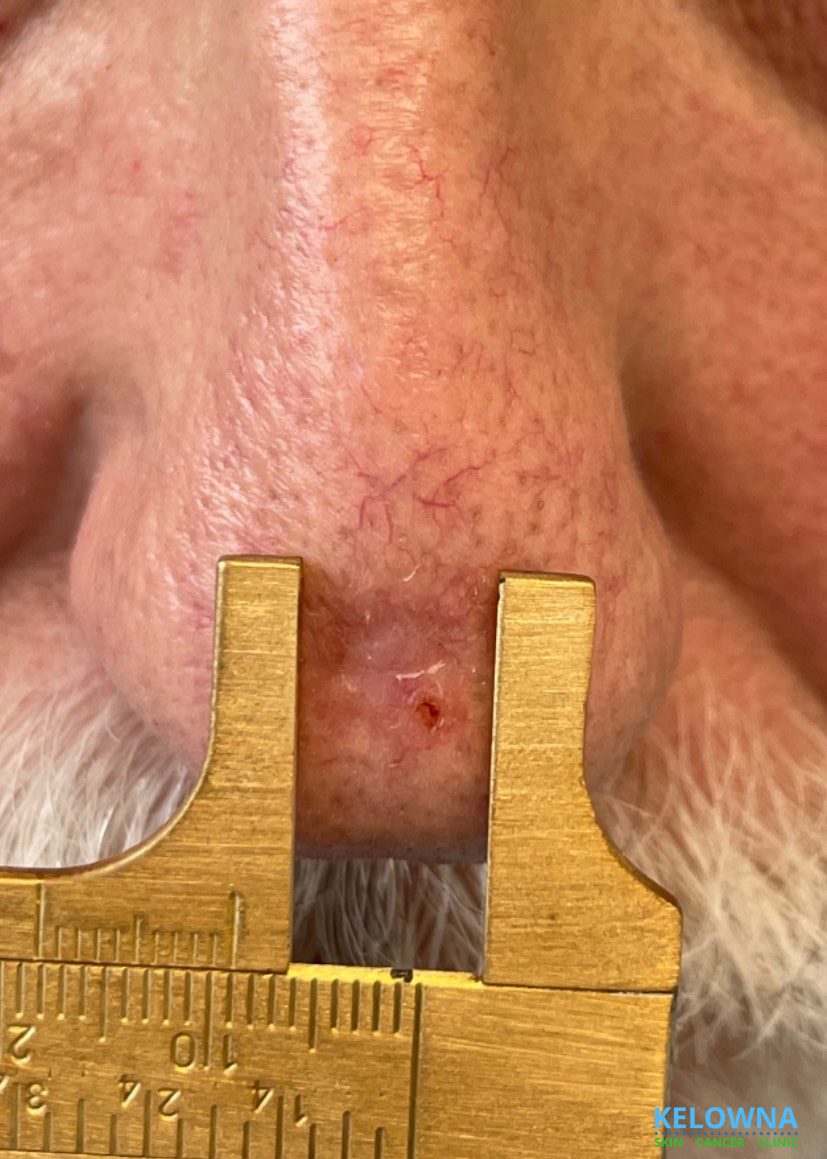
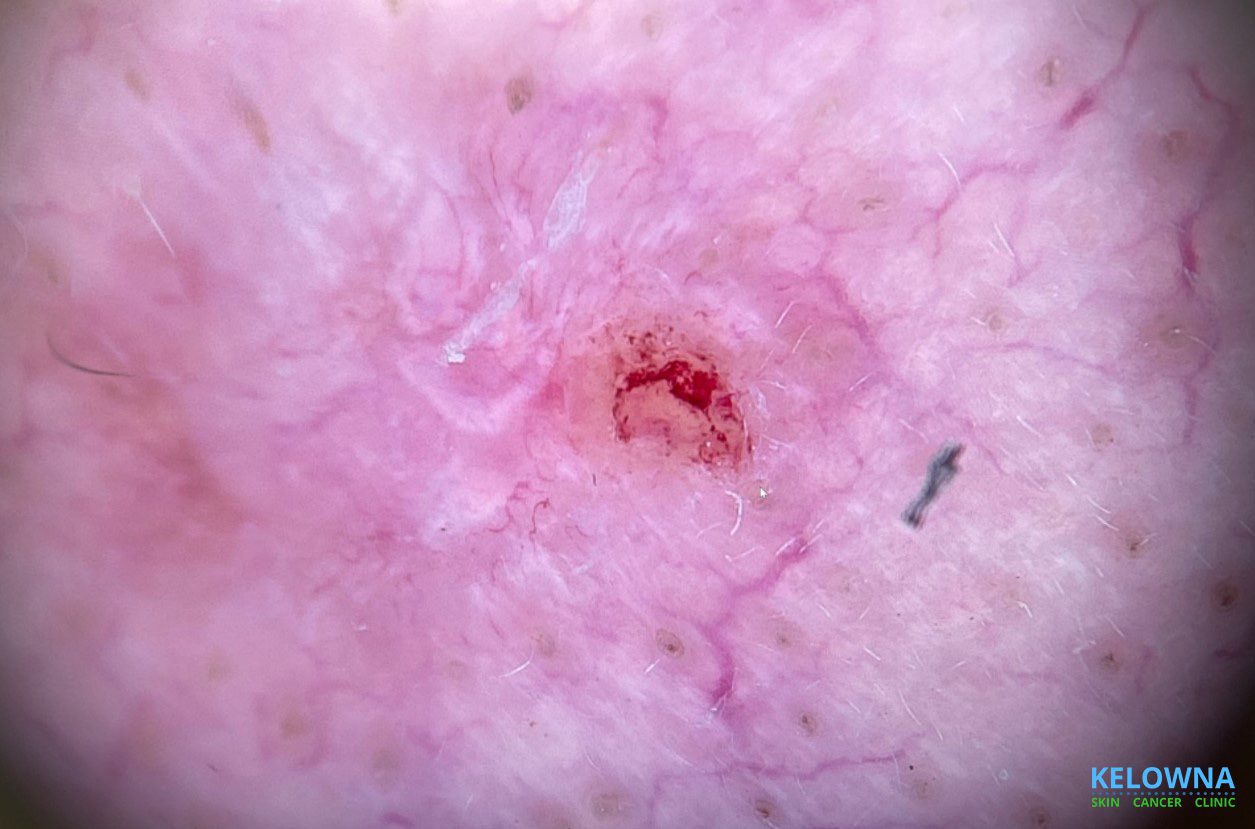
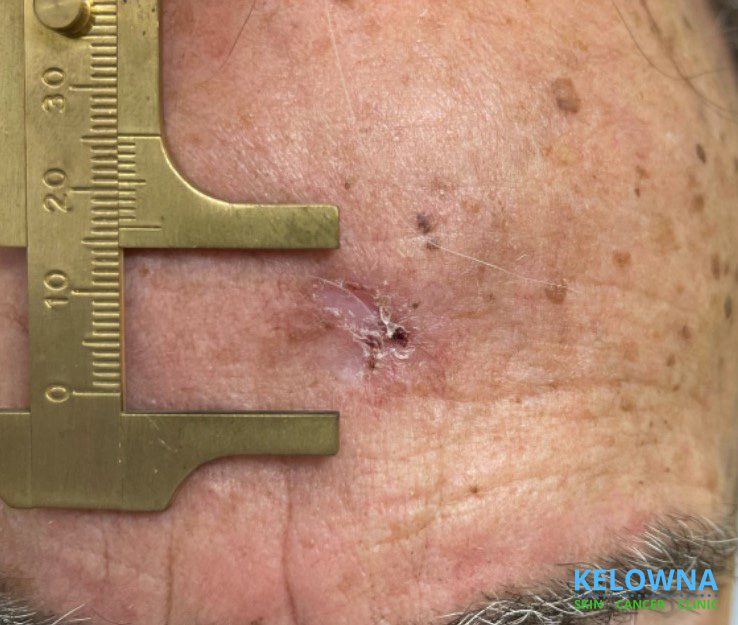
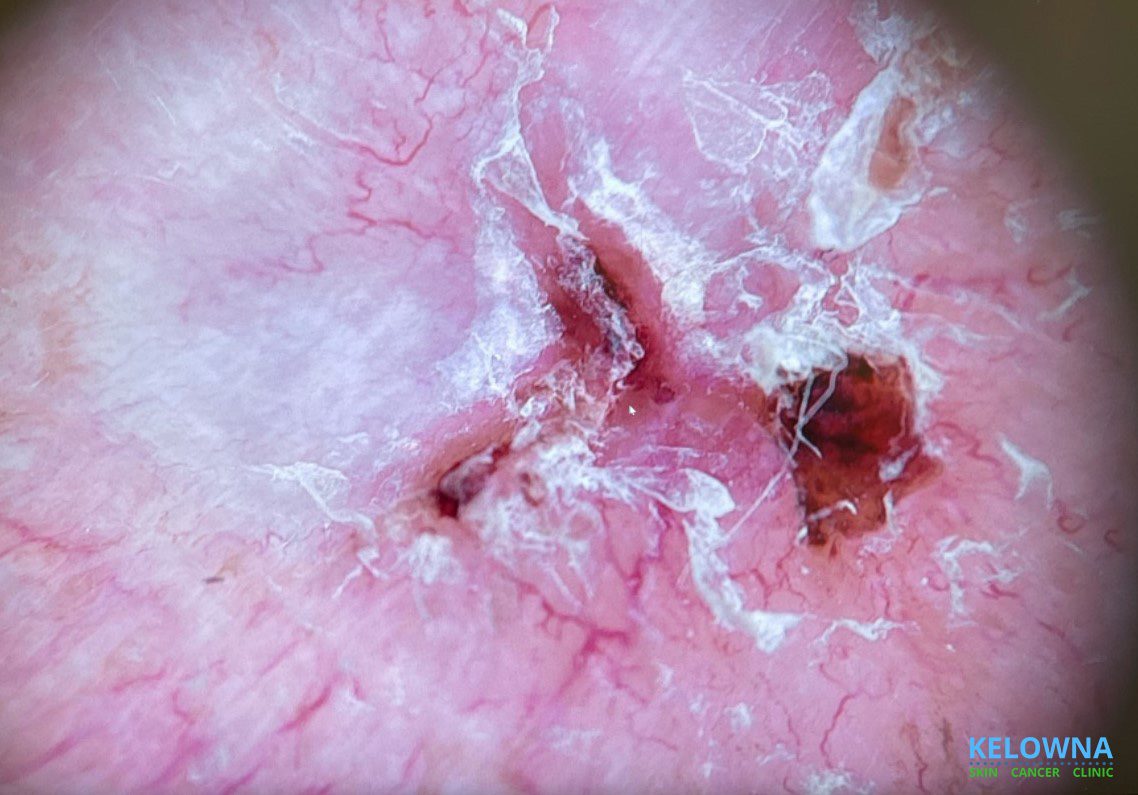
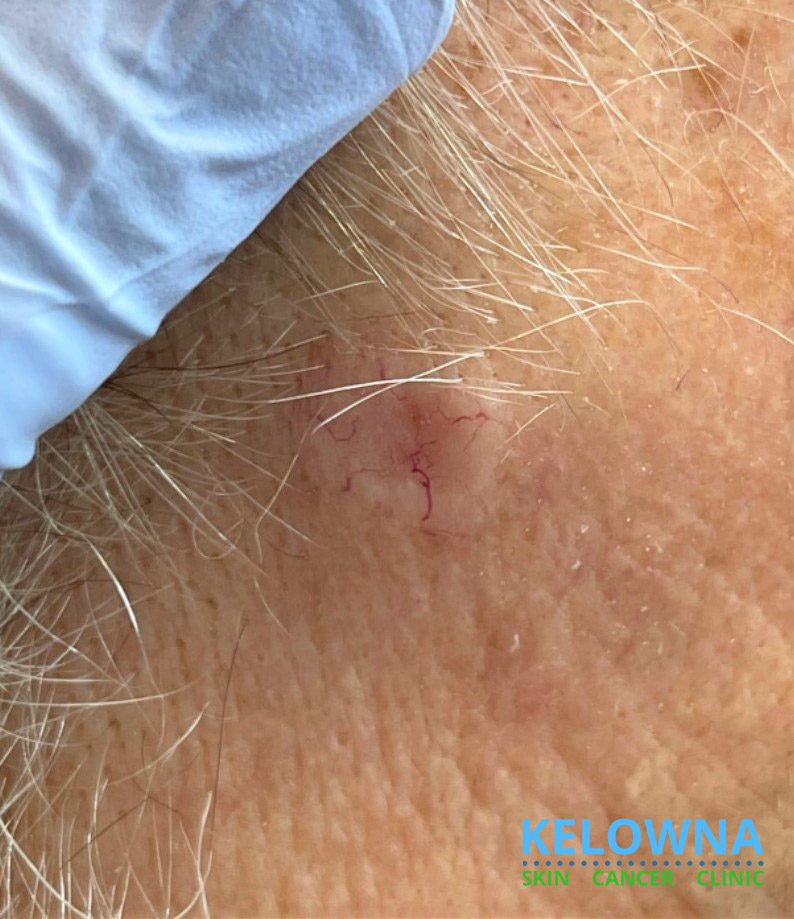
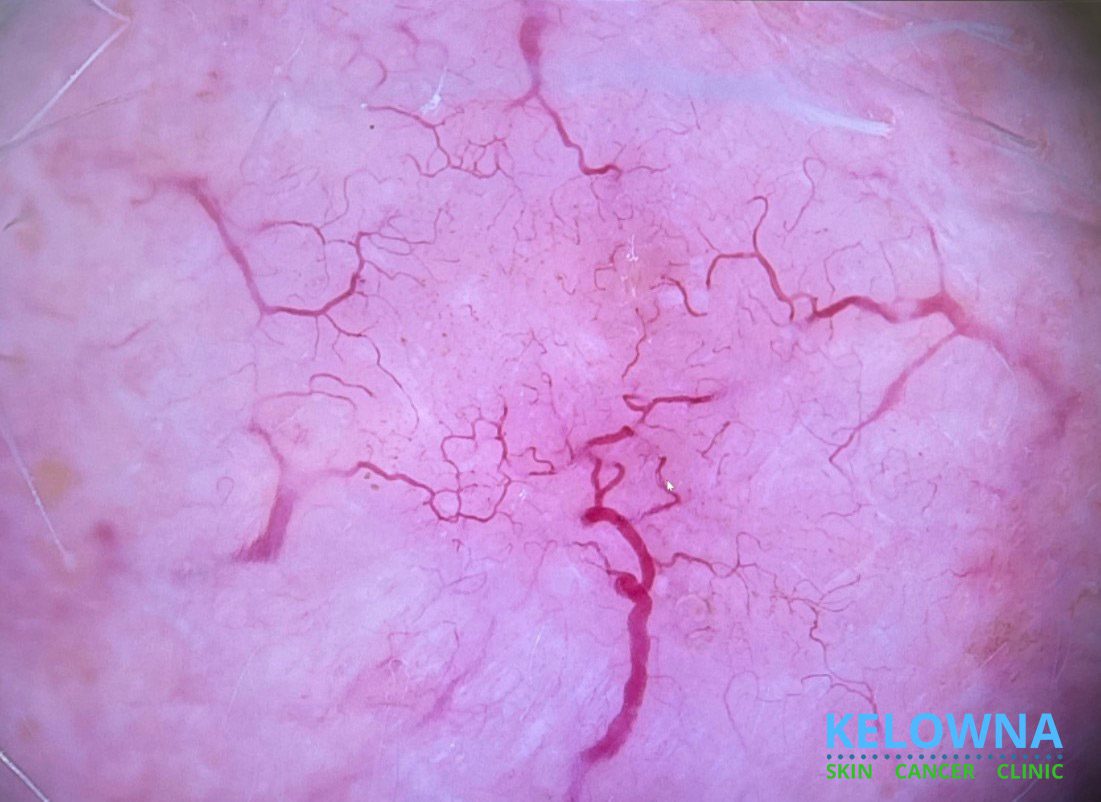
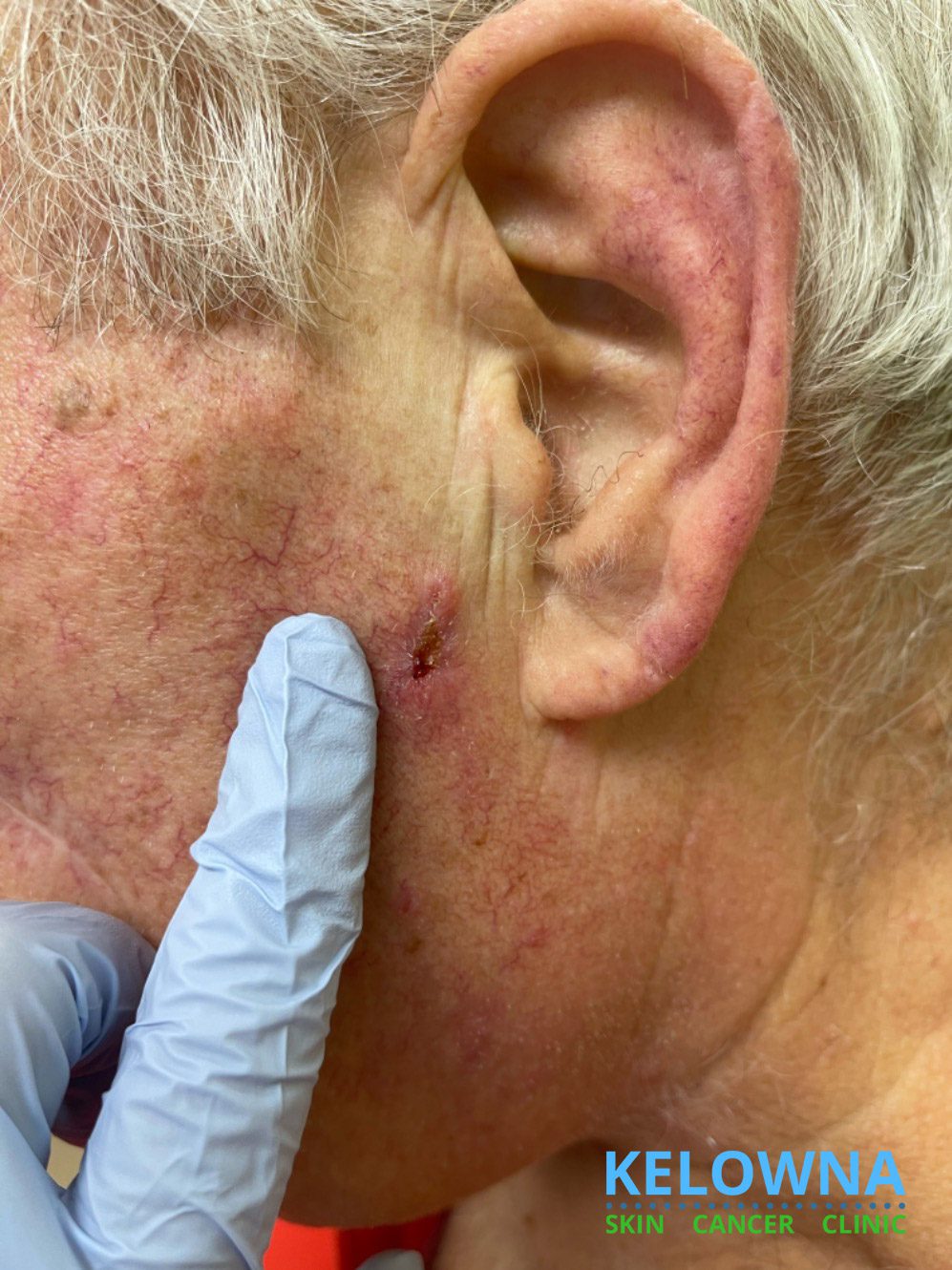
Basal cells are located at the bottom of the epidermis, the outer layer of the skin. Their role is to create new skin cells as older cells move toward the surface. Basal cell carcinoma develops when DNA in these cells is damaged, most often from long-term ultraviolet (UV) exposure. It is the most common type of skin cancer and rarely spreads to other parts of the body. What to watch for
- Pinkish growths
- Open sores
- Shiny or pearly bumps
- Red patches or dome-shaped lesions
- Spots that may crust, itch, ooze, or bleed
Melanoma
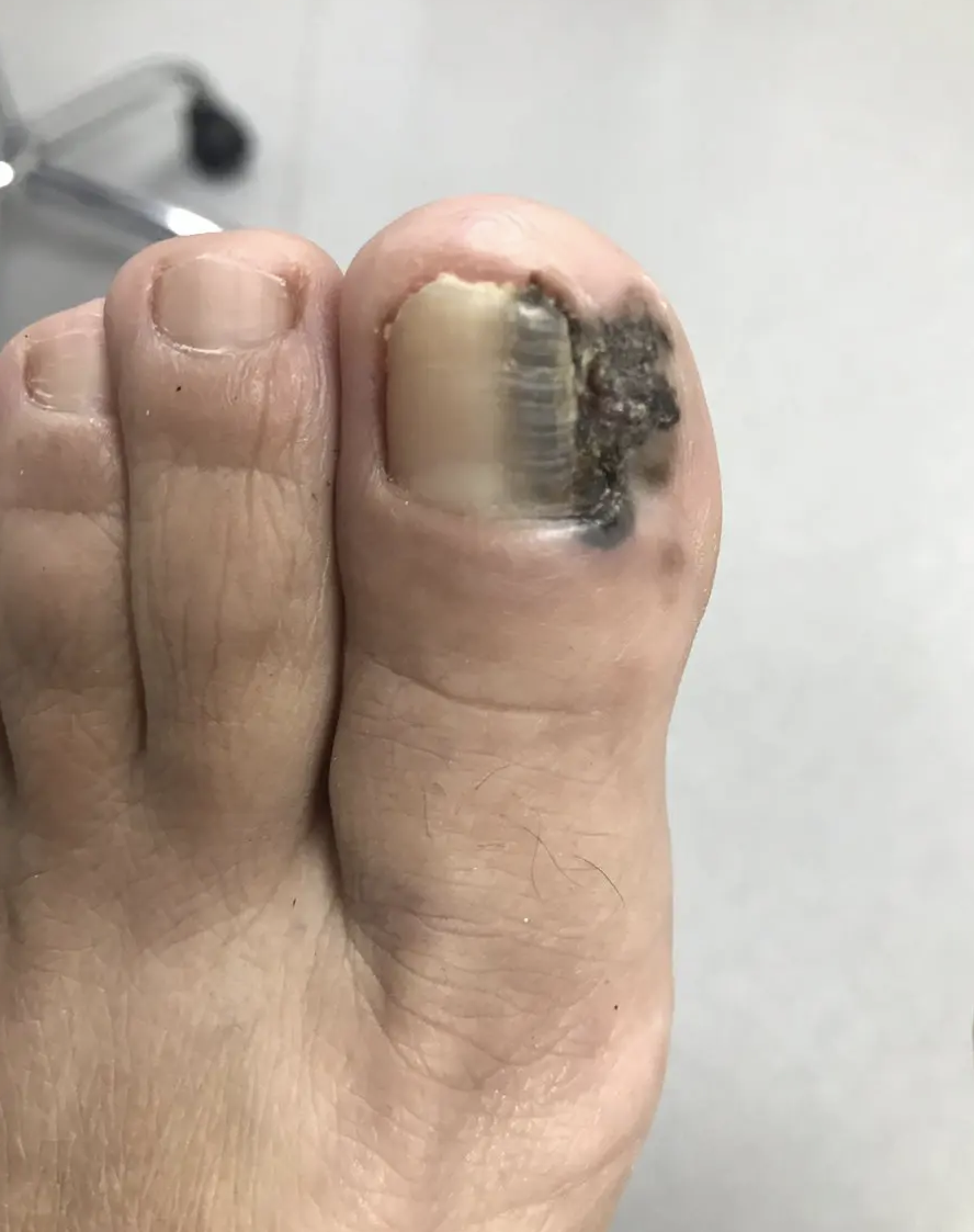
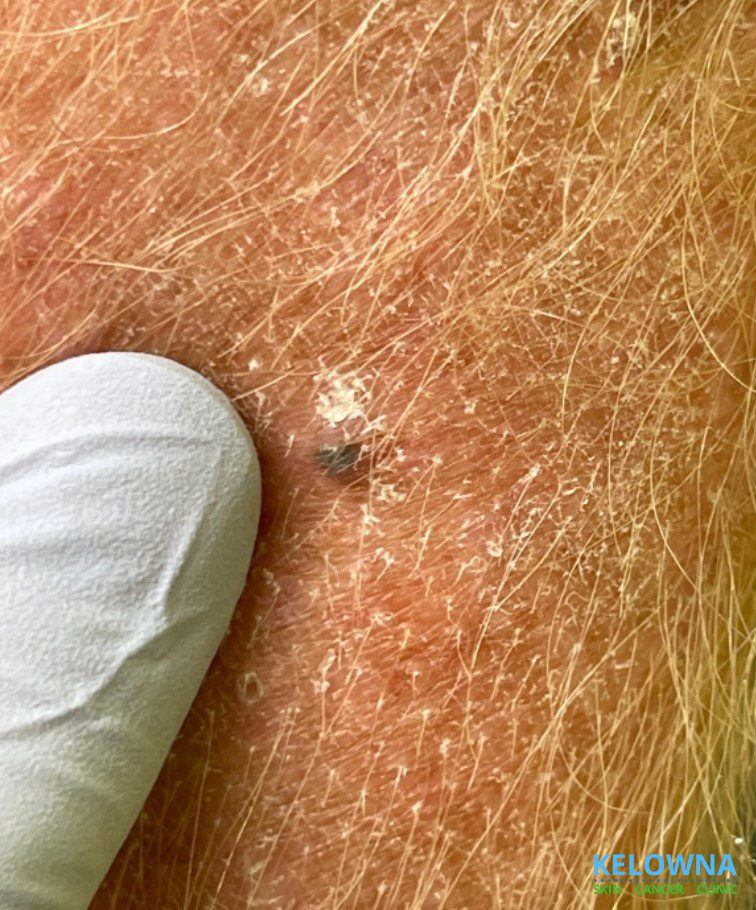
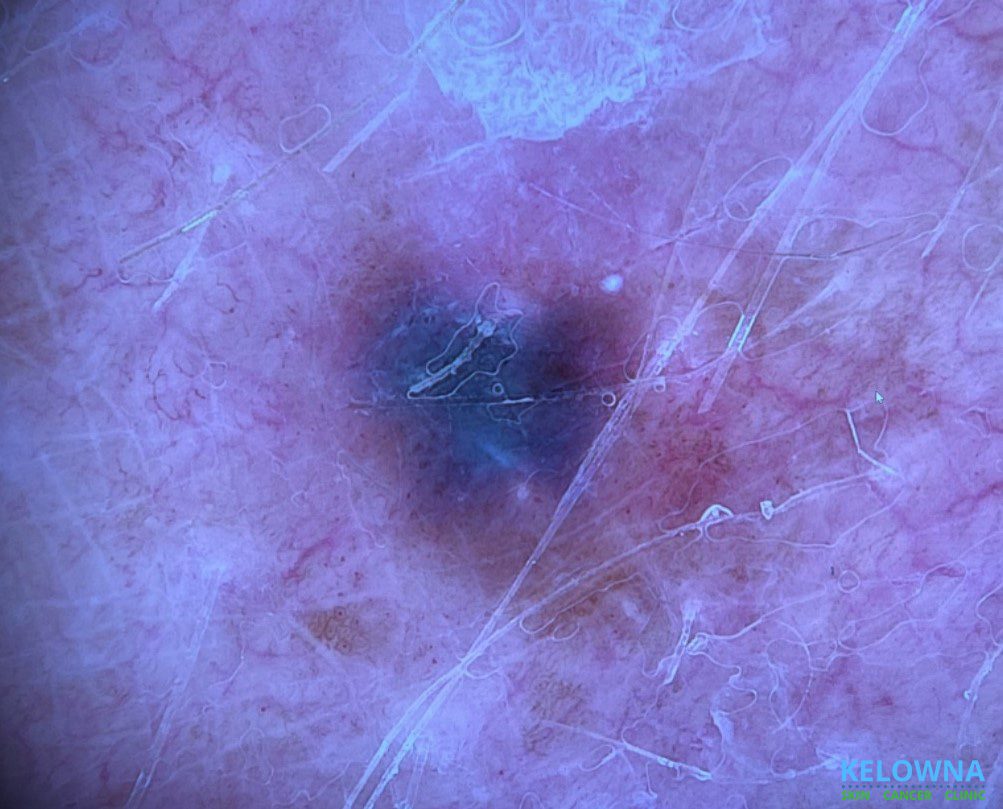
Melanoma begins in melanocytes, the cells that produce melanin (the pigment that gives skin its colour). Sun exposure can influence how melanocytes behave, and having a large number of moles or certain genetic factors can increase a person’s risk of developing melanoma. In men, melanoma is often found on the back, head, or neck, while in women it more commonly appears on the lower legs or back. Melanoma is considered serious because it can spread to other parts of the body if not detected and treated early. What to watch for
- Asymmetrical moles or spots with two different-looking halves
- Changes in colour, including multiple colours or unusual patterns
- New or changing lesions larger than 6 mm (about 1/4 inch)
- New symptoms such as itchiness, tenderness, or bleeding
- Borders that look irregular, notched, or scalloped
Merkel cell carcinoma
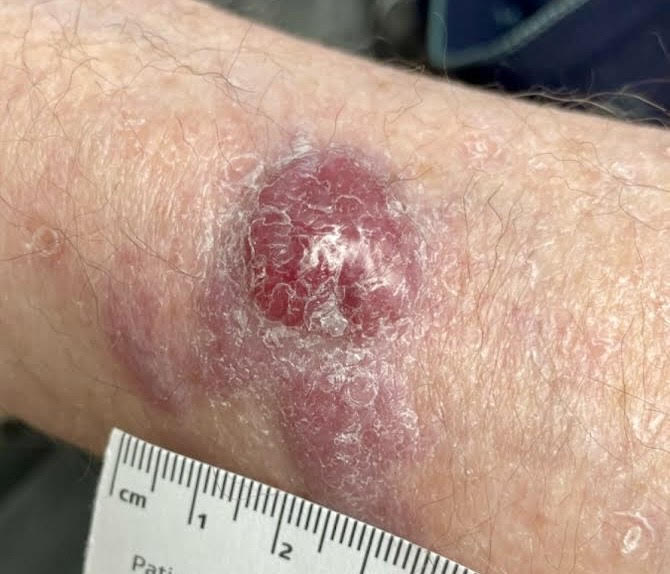
Merkel cell carcinoma (MCC) is a rare form of non-melanoma skin cancer that begins in Merkel cells, which are located in the upper layers of the skin and within hair follicles. MCC most often appears on areas that receive a lot of sun exposure, such as the head, neck, arms, and legs. It is considered a serious skin cancer because it can grow and spread quickly, making early assessment important. What to watch for
- A slightly raised spot or dome-shaped lesion that may resemble a sore or lump
- Lesions that may appear red, pink, blue, or purple in colour
Seborrheic keratosis
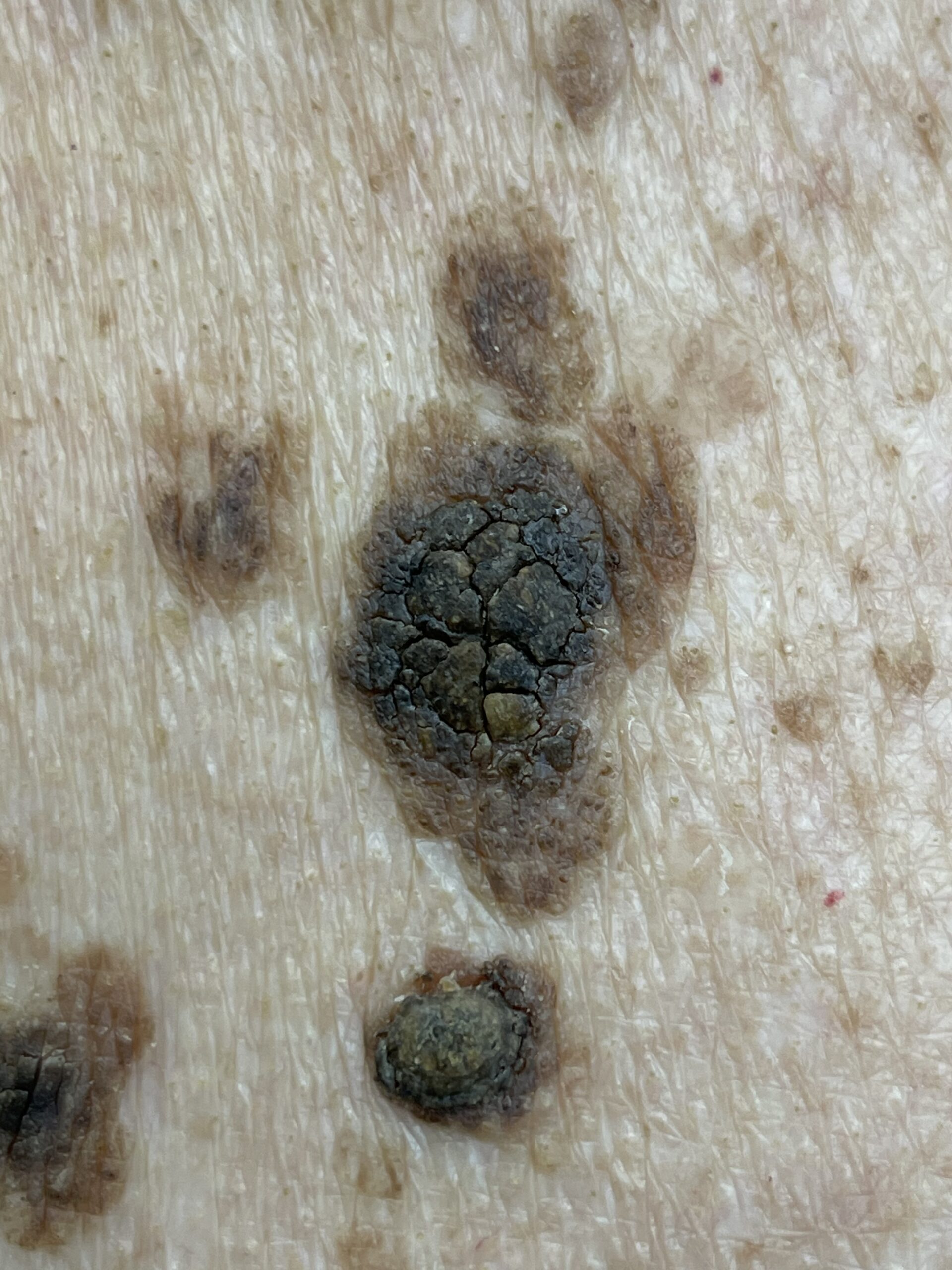
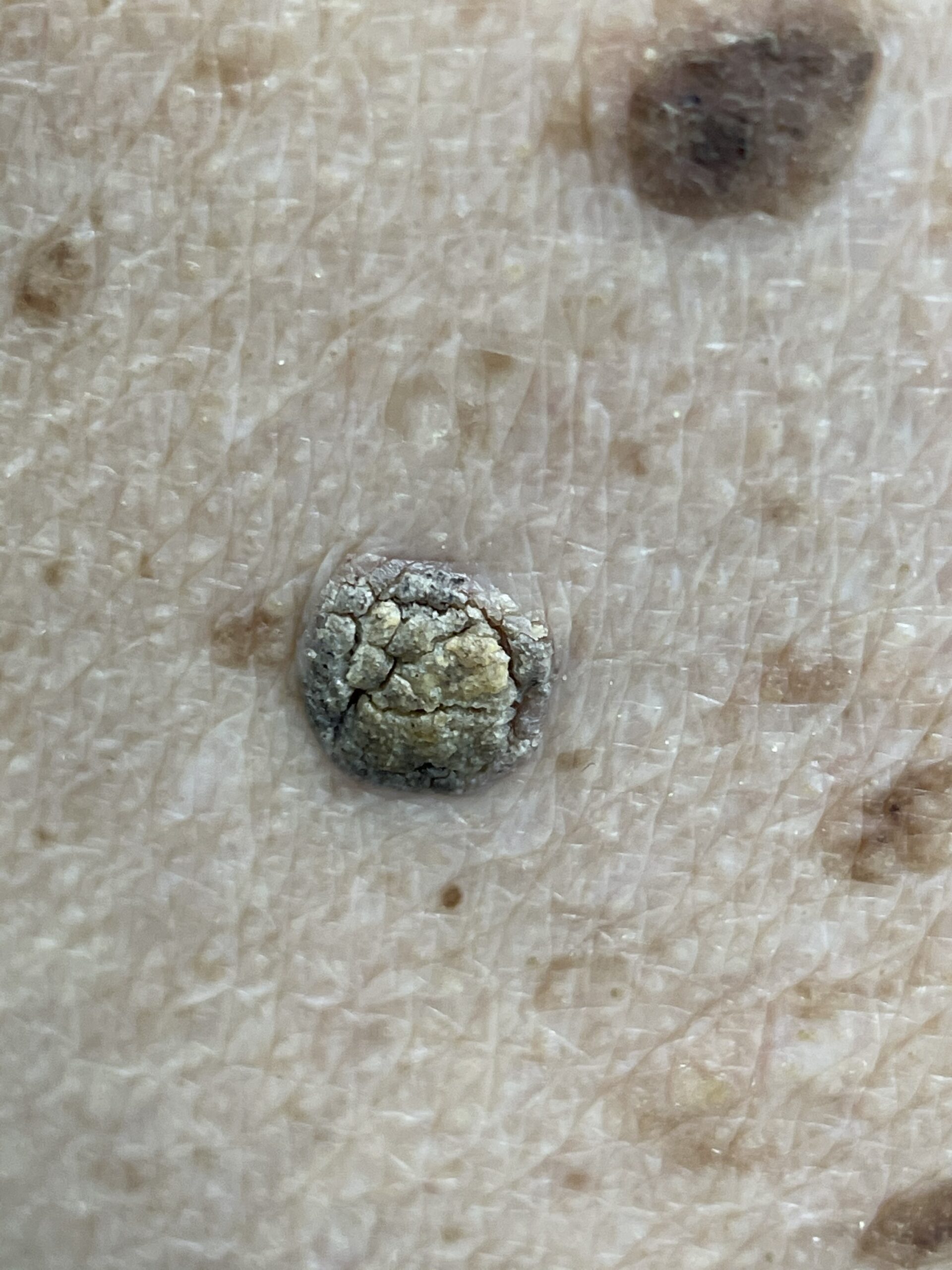
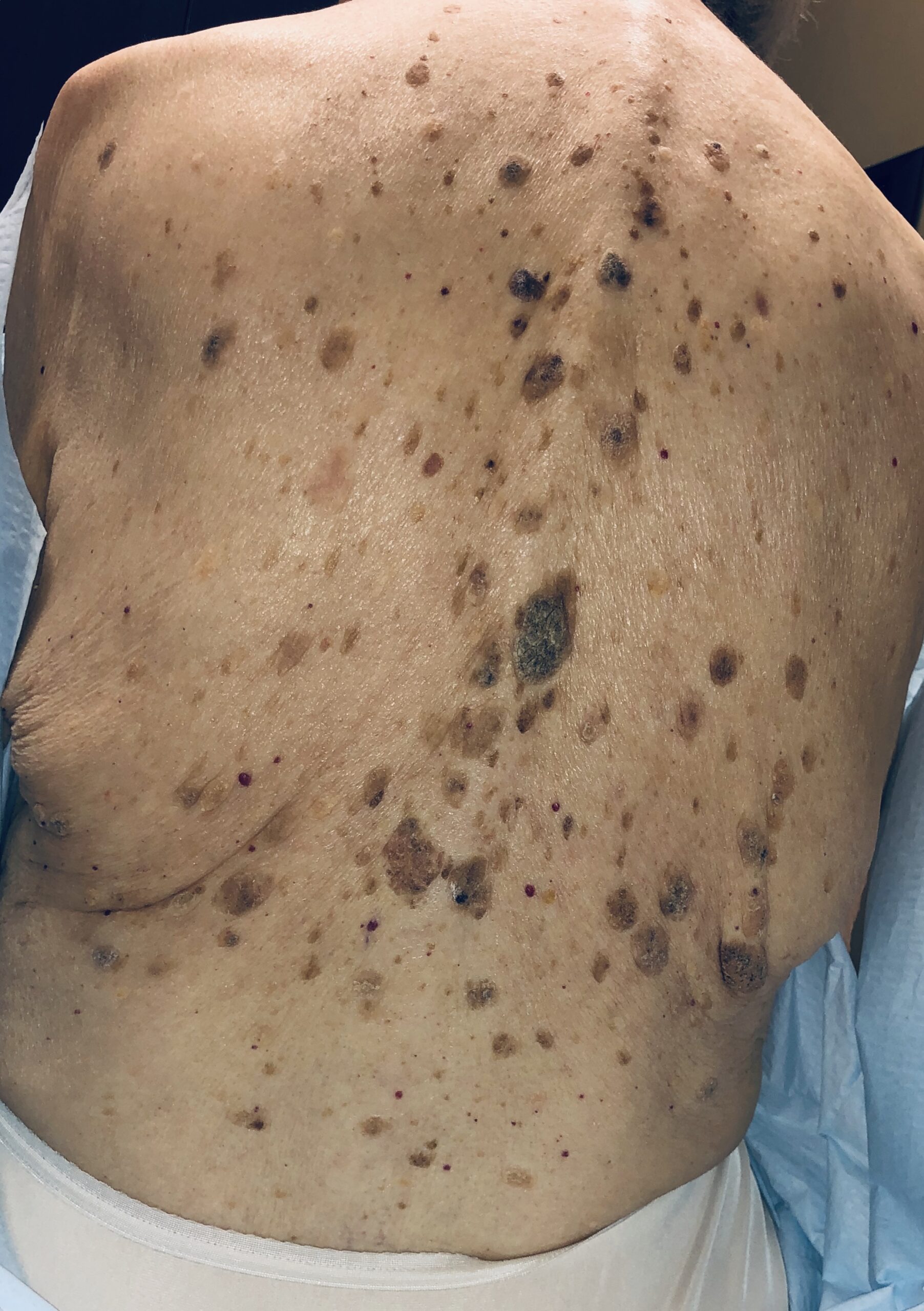
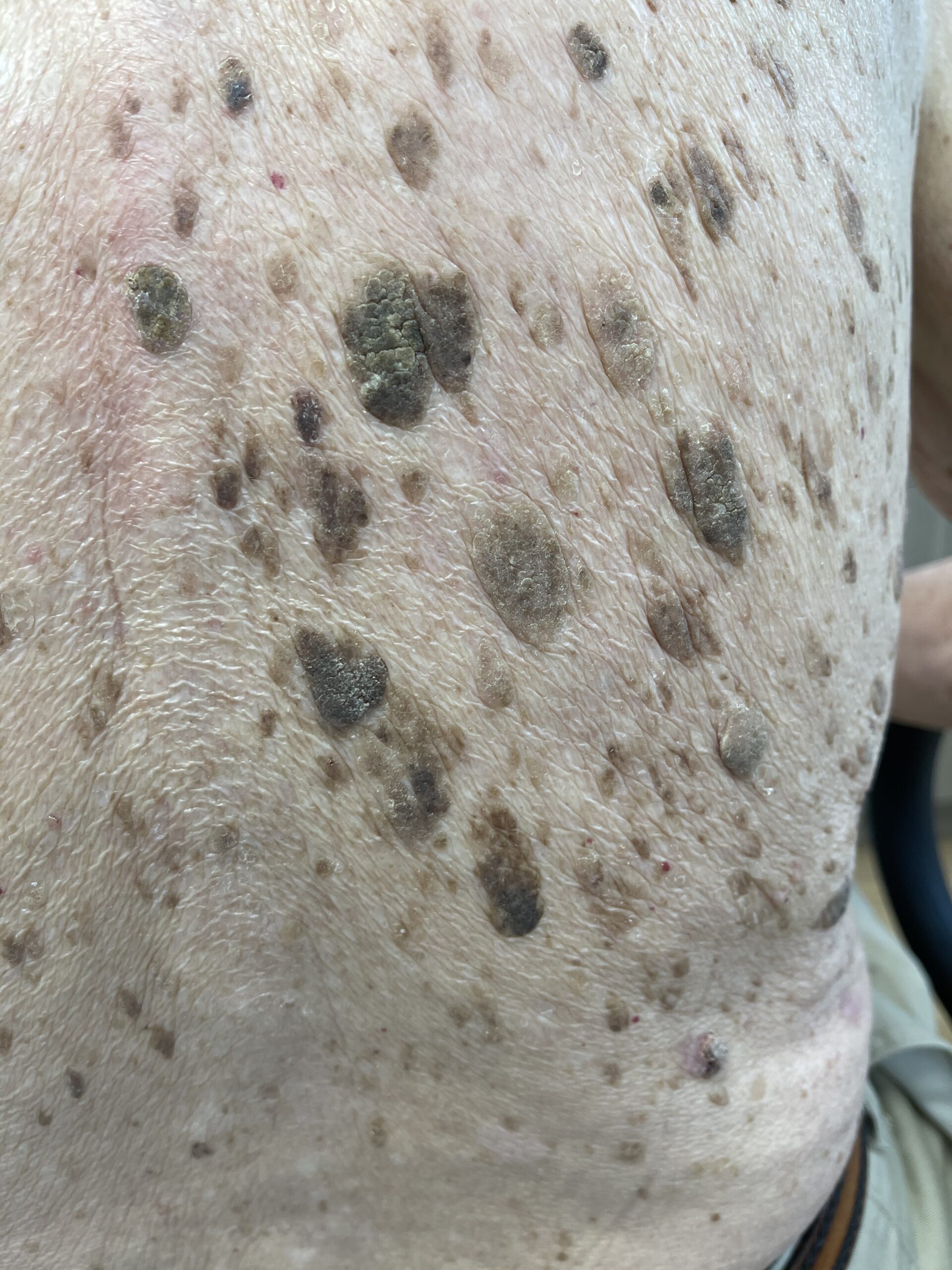
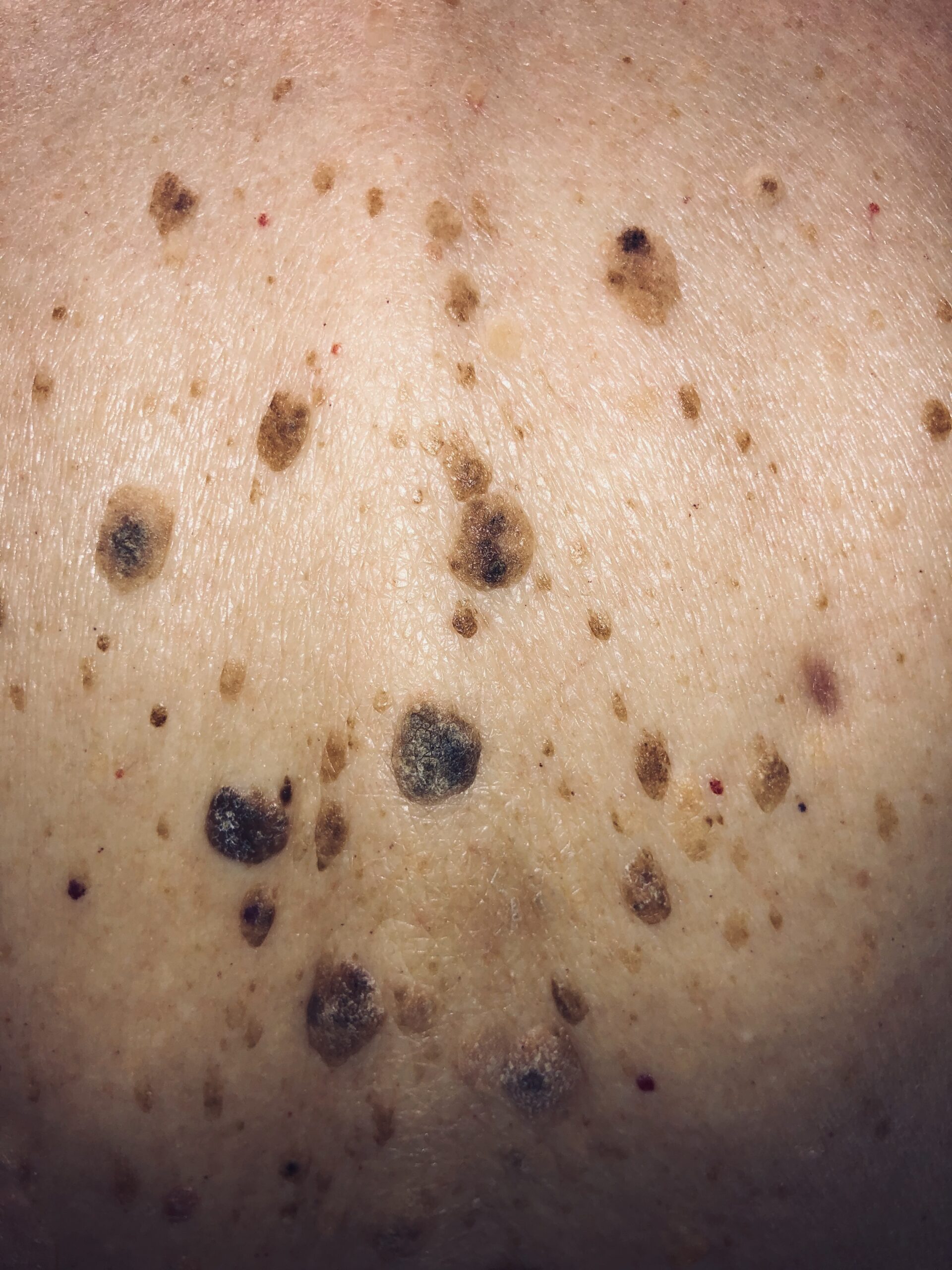
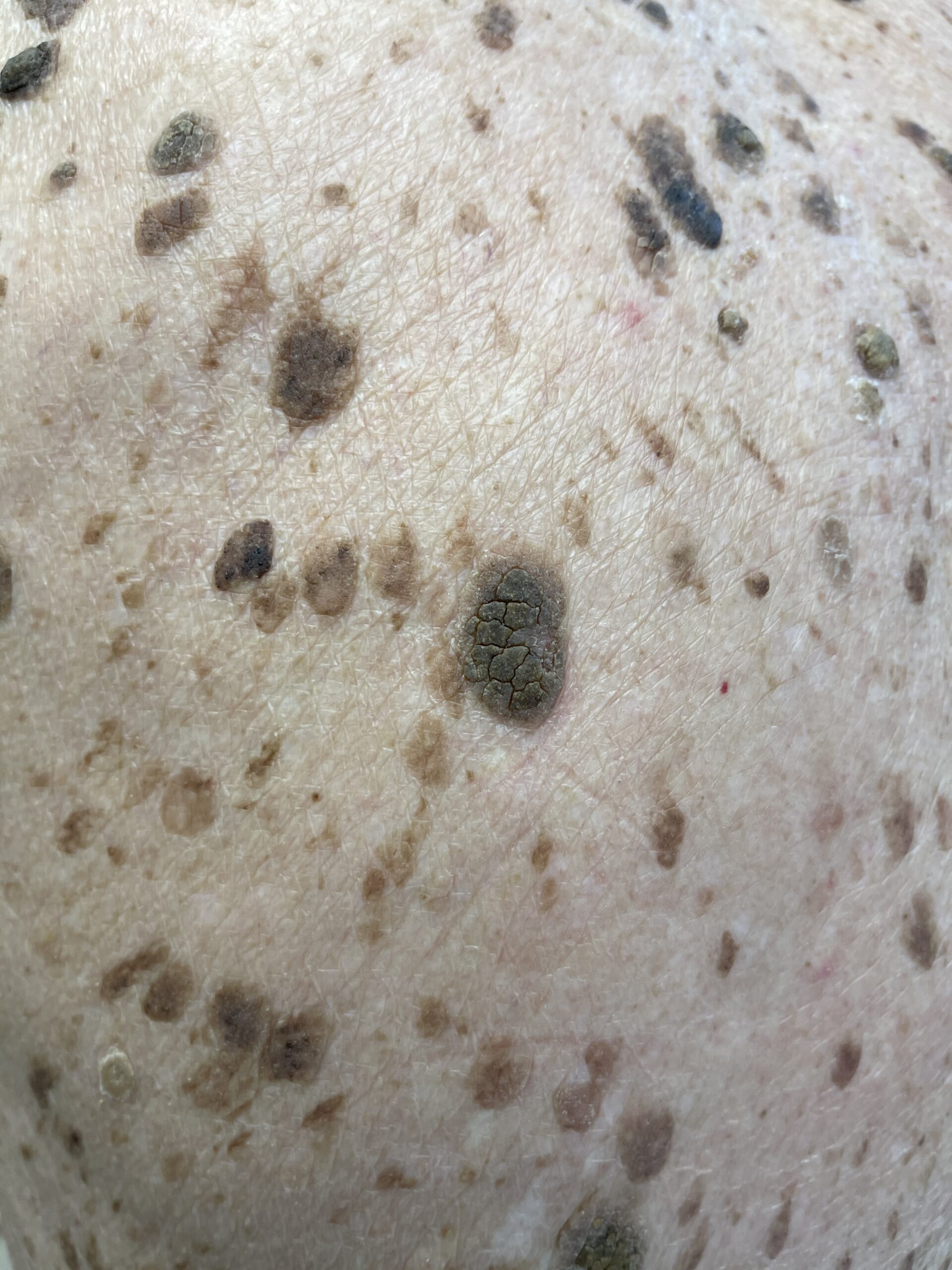
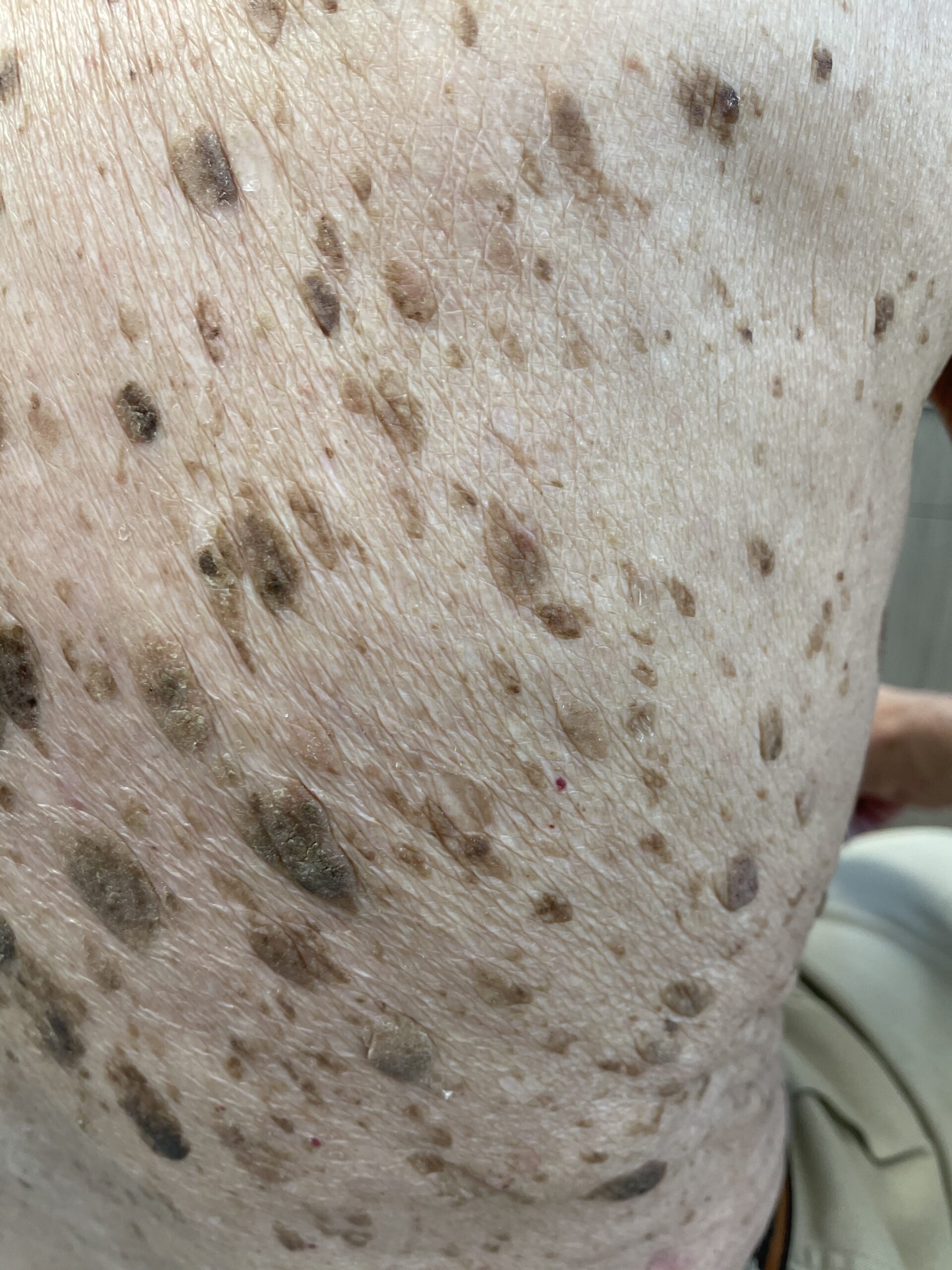
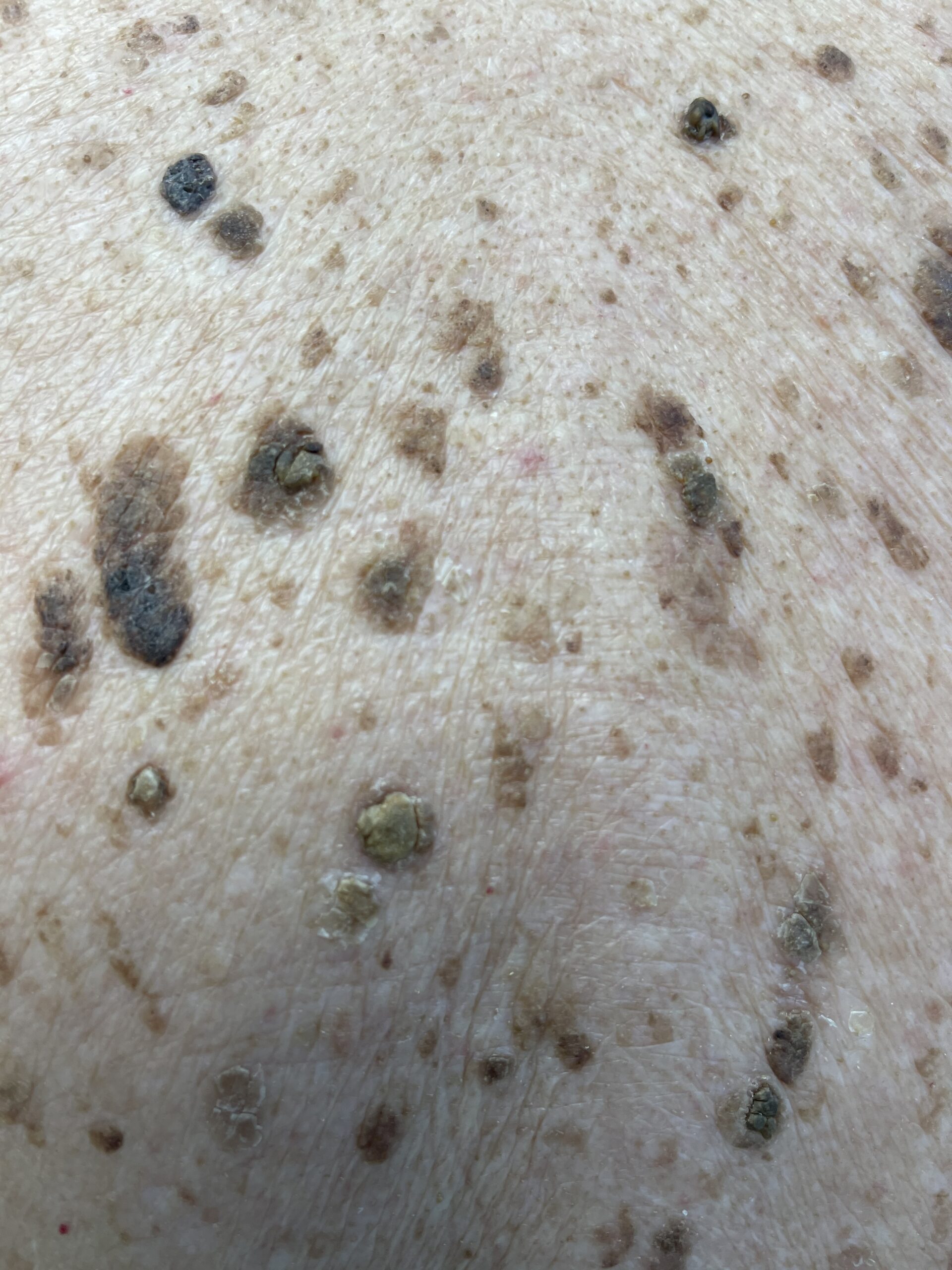
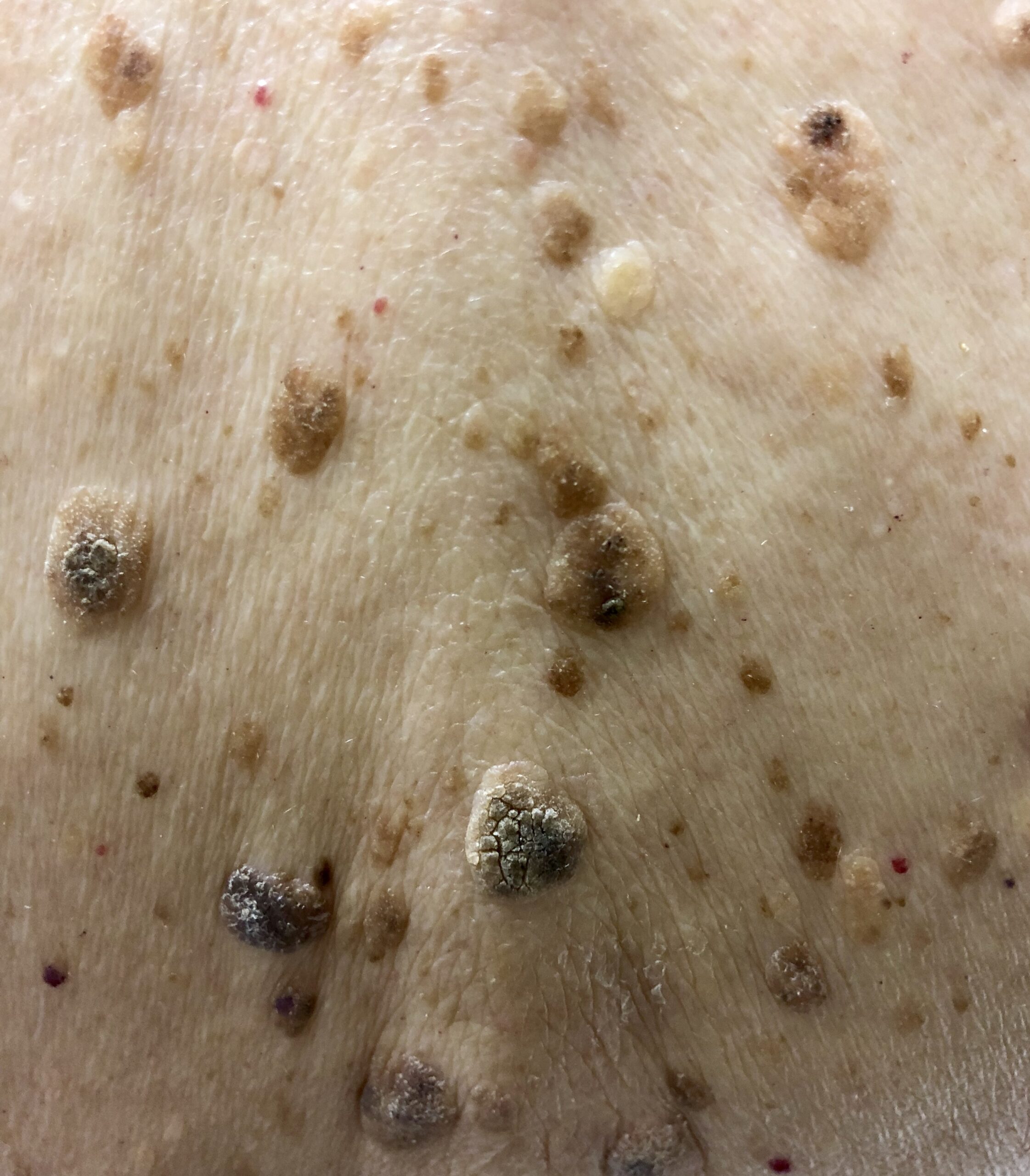
A seborrheic keratosis (SK) is a very common, non-cancerous (benign) skin growth. It is sometimes called a basal cell papilloma, seborrheic wart, senile wart, or informally a barnacle or age spot. These growths form when ordinary surface skin cells (keratinocytes) multiply in a harmless way — they are not a skin cancer and do not turn into one.
Squamous cell carcinoma
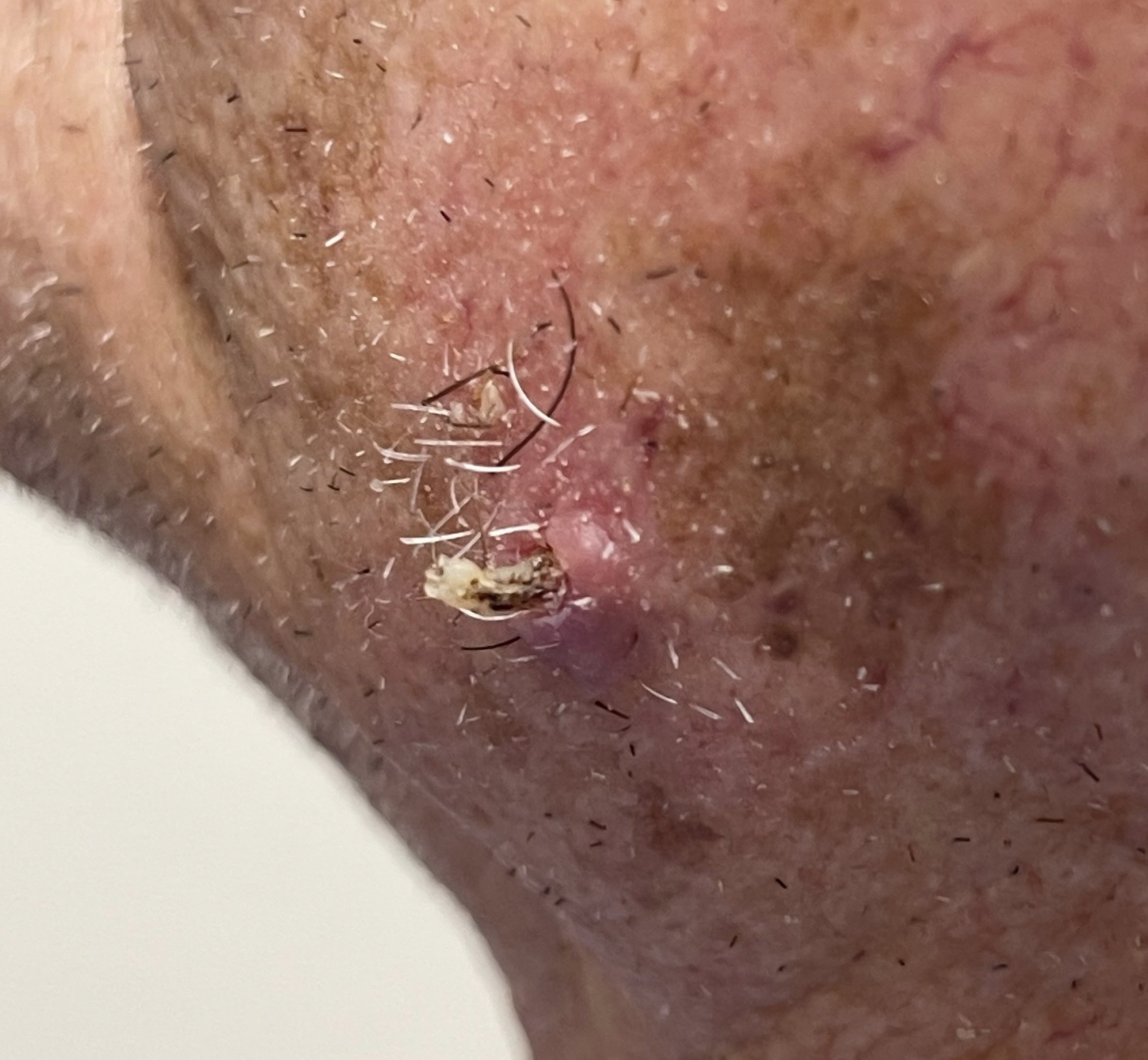
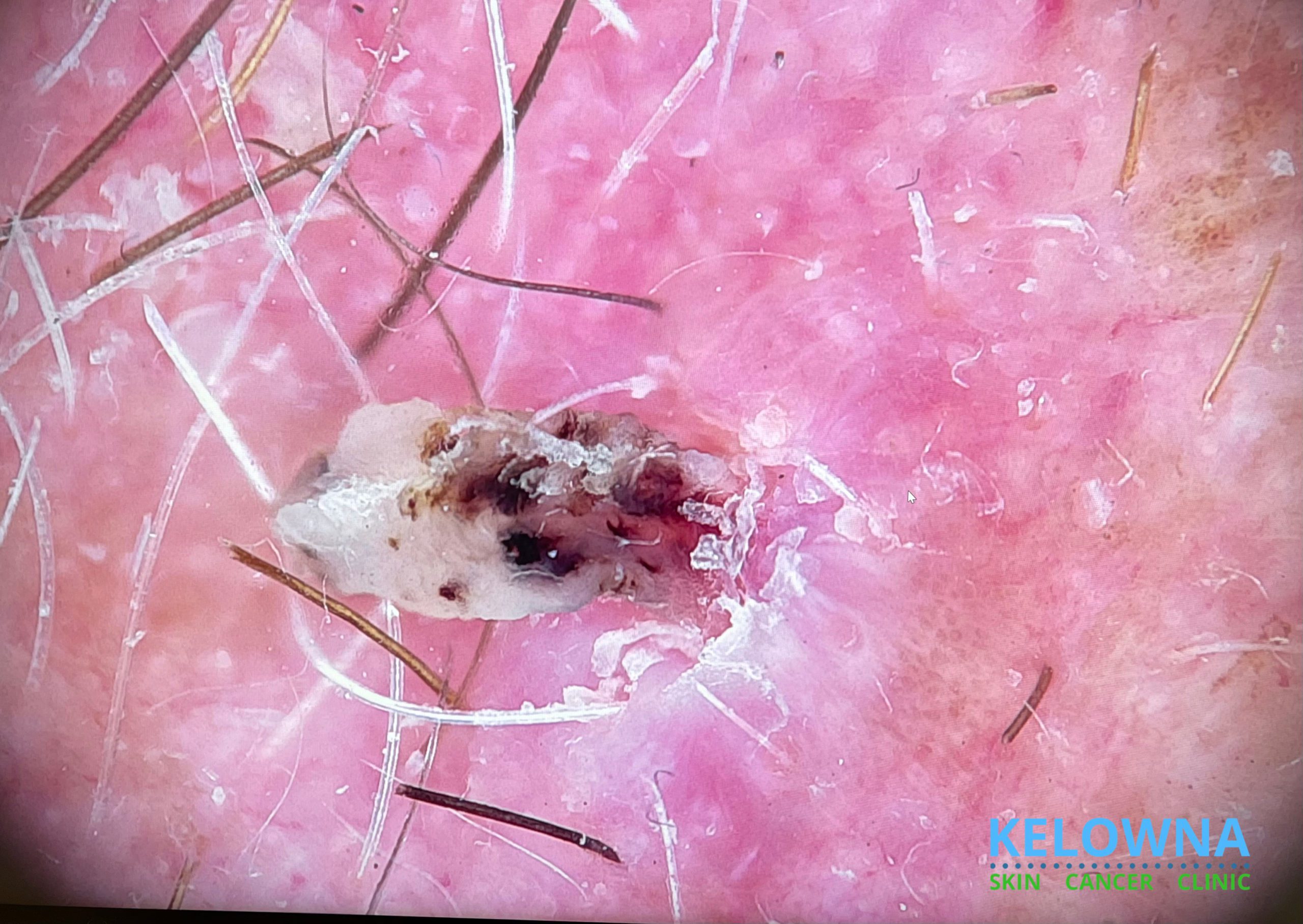
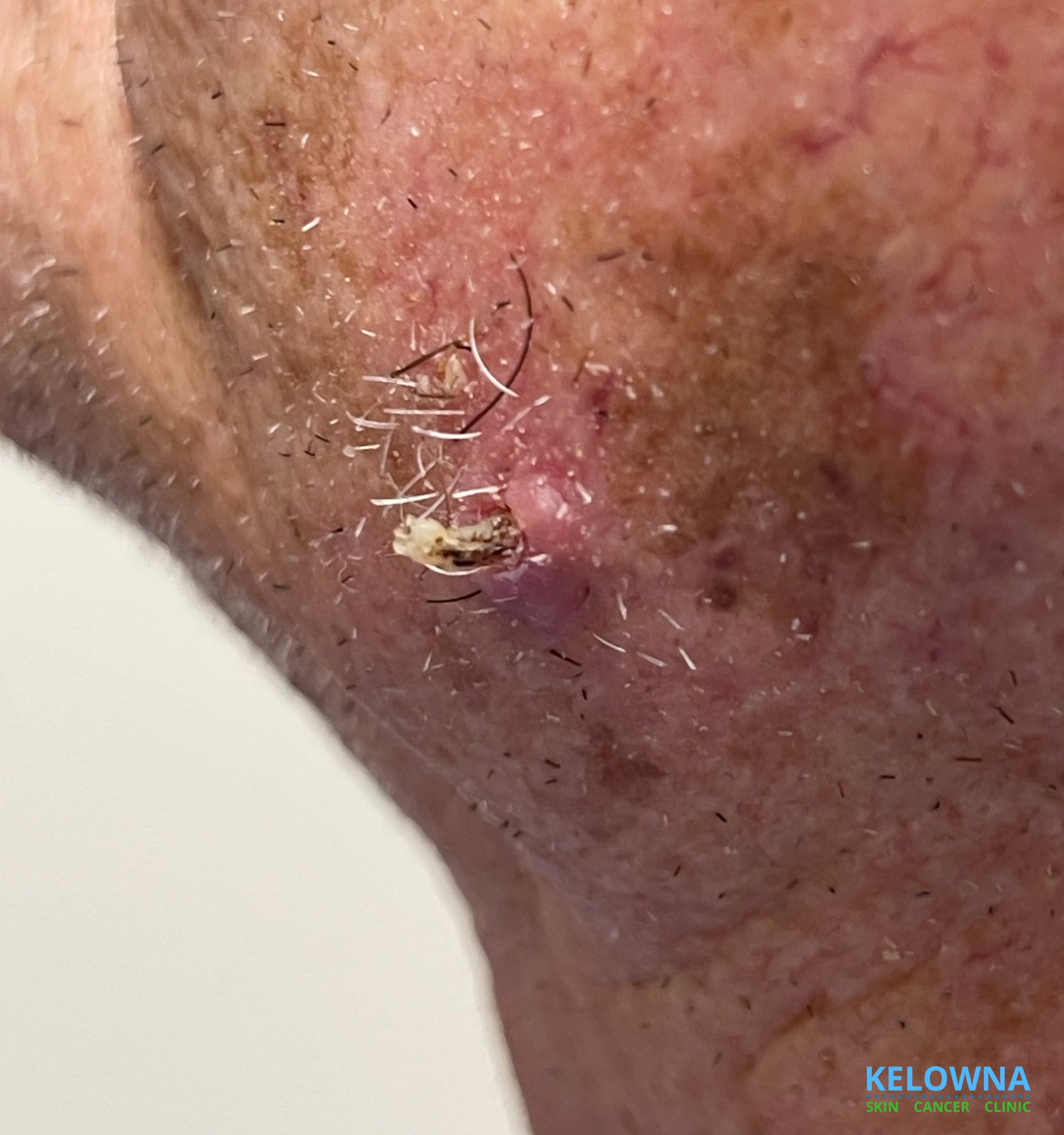
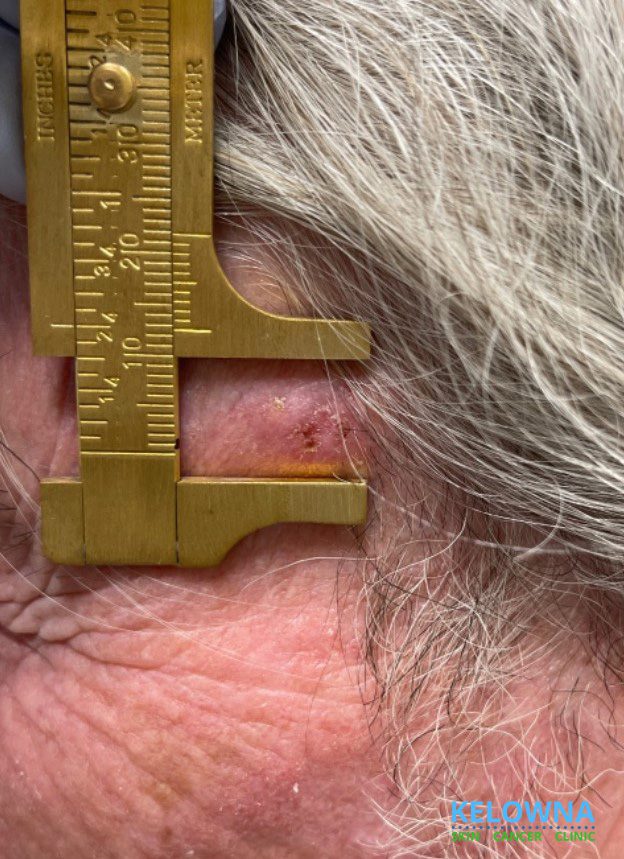
Squamous cells are one of the three main cell types in the epidermis, the outer layer of the skin. They are flat cells located near the surface and are continually replaced as the skin renews itself. Squamous cell carcinoma (SCC) develops when the DNA in these cells becomes damaged—most often from long-term ultraviolet (UV) exposure, though other factors can also contribute.
- A firm, red nodule
- A flat sore with a scaly crust
- A new sore or raised area that appears over an older scar or ulcer
- A scaly or rough patch on the lip
- A persistent reddish or rough area inside the mouth
Understanding your risk factors
While anyone can develop skin cancer, factors such as cumulative UV exposure, history of severe sunburns, skin type, and personal or family history significantly influence your overall susceptibility. Understanding these individual risk factors helps guide proactive skin monitoring and timely clinical assessments.
Want to learn more?
Explore our articles for educational insights on skin cancers, risk factors, and proactive skin care.