


FIELD THERAPY
Field therapy for actinic keratoses
Preventive care for precancerous skin changes.
Years of sun exposure can cause precancerous changes called actinic keratoses (AKs). Treating them is an important part of preventive skin care: the goal is to reduce their risk of progressing to squamous cell carcinoma (SCC). Field therapy addresses a selected area of affected skin—not only individual visible spots.
At Kelowna Private Skin Cancer Clinic, we assess your skin and discuss options such as topical chemotherapy with prescription 5-Fluorouracil cream and red-light photodynamic therapy. If you have several AKs or recurring precancerous patches, an assessment can help you decide whether field therapy should be part of your preventive care plan.
Selected superficial skin cancers may also be suitable for non-surgical treatment, following a separate clinical assessment.
What is field therapy?
Field therapy treats an area of sun-damaged skin rather than treating each spot individually. It may be recommended when several actinic keratoses occur together, for example on the face or scalp.
Actinic keratoses are rough or scaly precancerous patches caused by ultraviolet exposure. Some can progress to squamous cell carcinoma, which is why assessment and an appropriate treatment plan matter.
A prescription cream or photodynamic therapy may be used to treat the affected area. Individual spots may still need another treatment, and a suspicious lesion may require a biopsy before field therapy begins.
Why treat actinic keratoses?
An AK is more than a cosmetic rough patch. It is a precancerous change that deserves medical assessment. Treating actinic keratoses (AKs) is a preventive treatment: the goal is to remove or reduce these changes and decrease their risk of progressing to squamous cell carcinoma (SCC), a type of skin cancer.
Not every AK will become a skin cancer, and treatment cannot guarantee that skin cancer will not develop. Sun protection, follow-up, and ongoing skin checks remain important. This preventive purpose applies to treating AKs; Bowen’s disease and superficial basal cell carcinoma are already forms of skin cancer and need their own treatment decisions.
Why consider field therapy?
When several AKs develop together, or precancerous patches keep appearing in the same sun-damaged area, treating one visible spot at a time may not address the wider affected skin. Field therapy can treat visible AKs and less obvious precancerous changes within the selected area. This makes it an important option to discuss as part of preventive care.
Treatment of individual spots still has a role, and some lesions need a biopsy or another approach. Your clinician will help you decide whether topical 5-FU chemotherapy, red-light PDT field therapy, or a different treatment is appropriate. The aim is to act on precancerous changes while continuing to monitor for skin cancer—not to wait for them to become a more serious problem.
Which conditions can be treated?
Actinic keratoses
Actinic keratoses are precancerous changes, not the same diagnosis as an established skin cancer. When several occur within an area of sun-damaged skin, field therapy can address visible lesions and less obvious changes within the treatment area. Your clinician will decide whether field therapy, treatment of individual spots, or a combination is appropriate.
Bowen’s disease — squamous cell carcinoma in situ
Bowen’s disease is an early form of squamous cell carcinoma confined to the outer layer of the skin. Selected cases may be considered for 5-FU or PDT after assessment and confirmation of the diagnosis. These treatments are used off-label for Bowen’s disease in Canada; your clinician will explain the reasons for recommending them and discuss alternatives. Not every lesion is suitable for non-surgical treatment.
Superficial basal cell carcinoma
Superficial basal cell carcinoma is a type of skin cancer that grows close to the skin’s surface. Some carefully selected lesions may be suitable for a prescription cream or PDT. Suitability depends on the confirmed cancer type, location, size, and other risk factors. Surgery or another treatment may be more appropriate.
Important: These conditions are not interchangeable. Treating a field of actinic keratoses is different from treating a diagnosed skin cancer. Your clinician will identify which approach is appropriate and arrange follow-up to assess the response.
Two treatment options, one individual plan
Topical chemotherapy: 5-Fluorouracil — 5-FU / Efudex
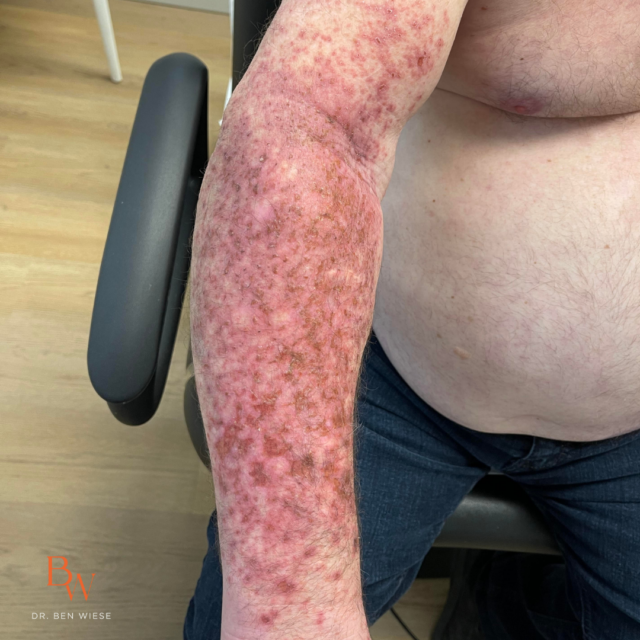
5-Fluorouracil, often called 5-FU and available as Efudex, is a prescription topical chemotherapy. “Topical” means it is applied directly to the skin. It interferes with the growth of abnormal cells and is used to treat actinic keratoses and selected superficial basal cell carcinomas. Using topical chemotherapy for AKs does not mean that those precancers are already an invasive cancer.
Treatment is usually applied at home over several weeks, following your clinician’s instructions. The prescribed schedule depends on the diagnosis, treatment area, and your skin’s response.
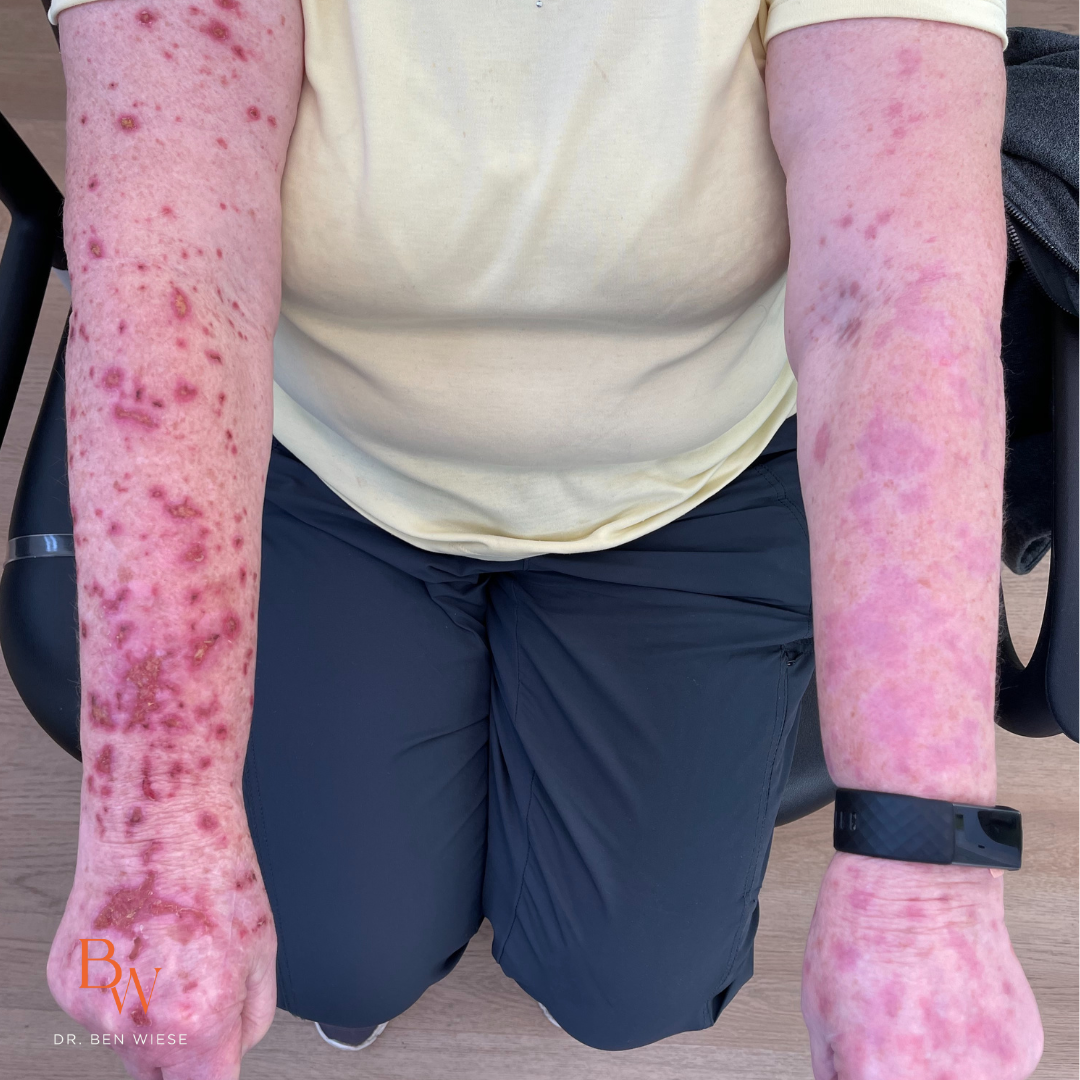
Redness, soreness, scaling, and crusting are common. The reaction can be pronounced, and healing continues after the course has finished. Your clinician will explain what to expect, when to seek advice, and whether any adjustment is needed. Do not change the prescribed treatment schedule without advice.
Clinic-based treatment: red-light photodynamic therapy — PDT
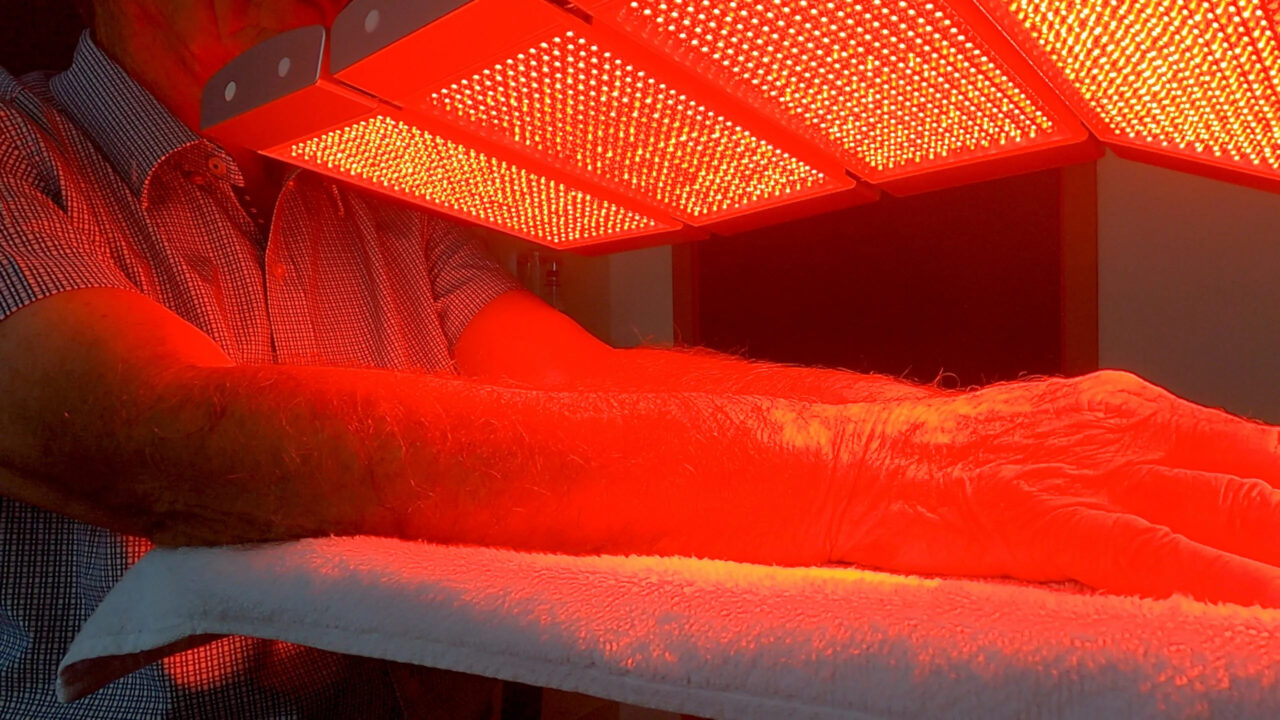
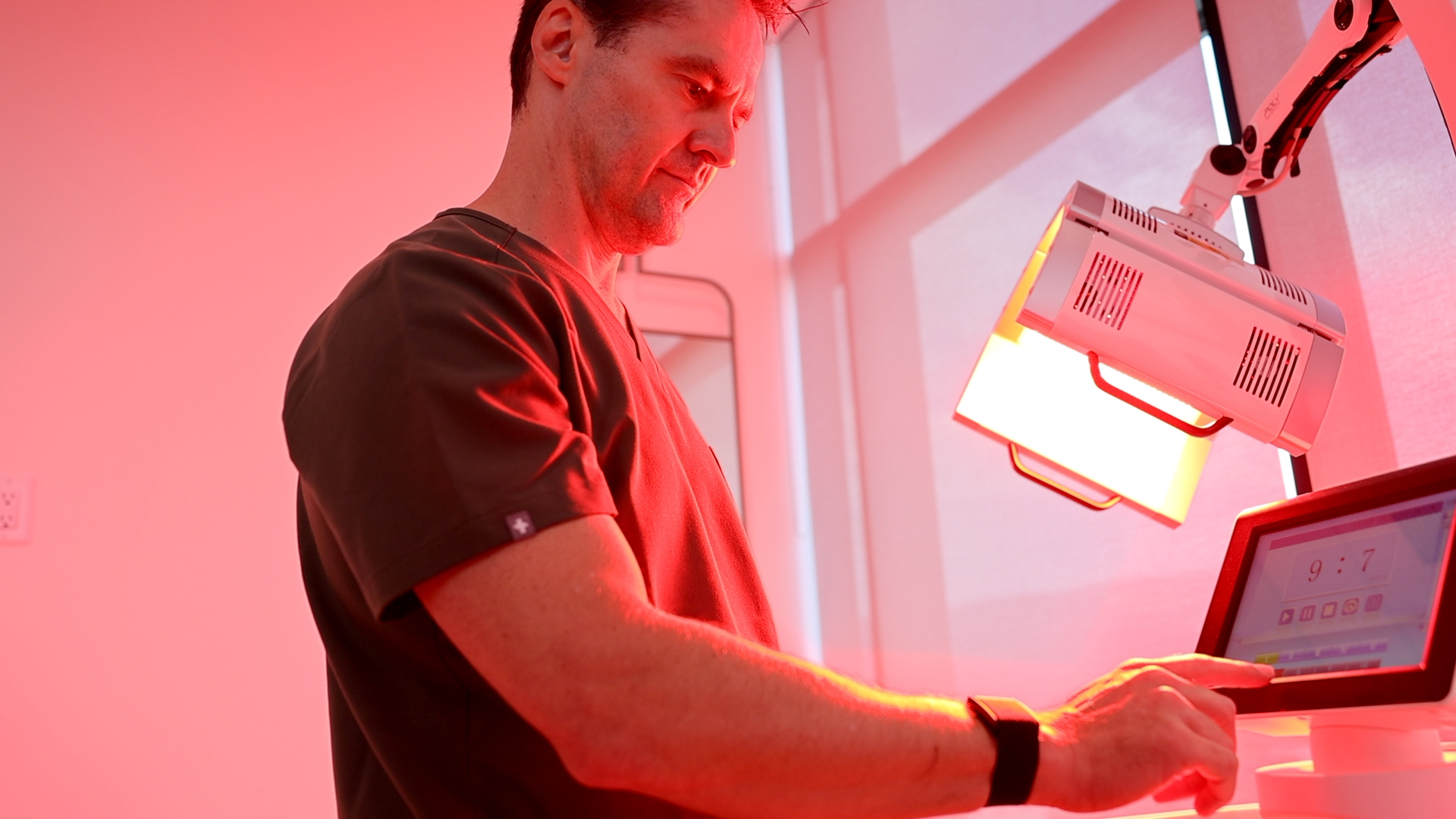
PDT combines a light-sensitive medication applied to the skin with a medical light source. After the medication has had time to absorb, red light activates it to treat the selected area. PDT is not simply a red-light facial: the medication and the light work together as a medical treatment.
At our clinic, PDT uses red light and is delivered by our trained nursing team under a clinician-directed treatment plan. The number and timing of sessions depend on the condition being treated and the response.
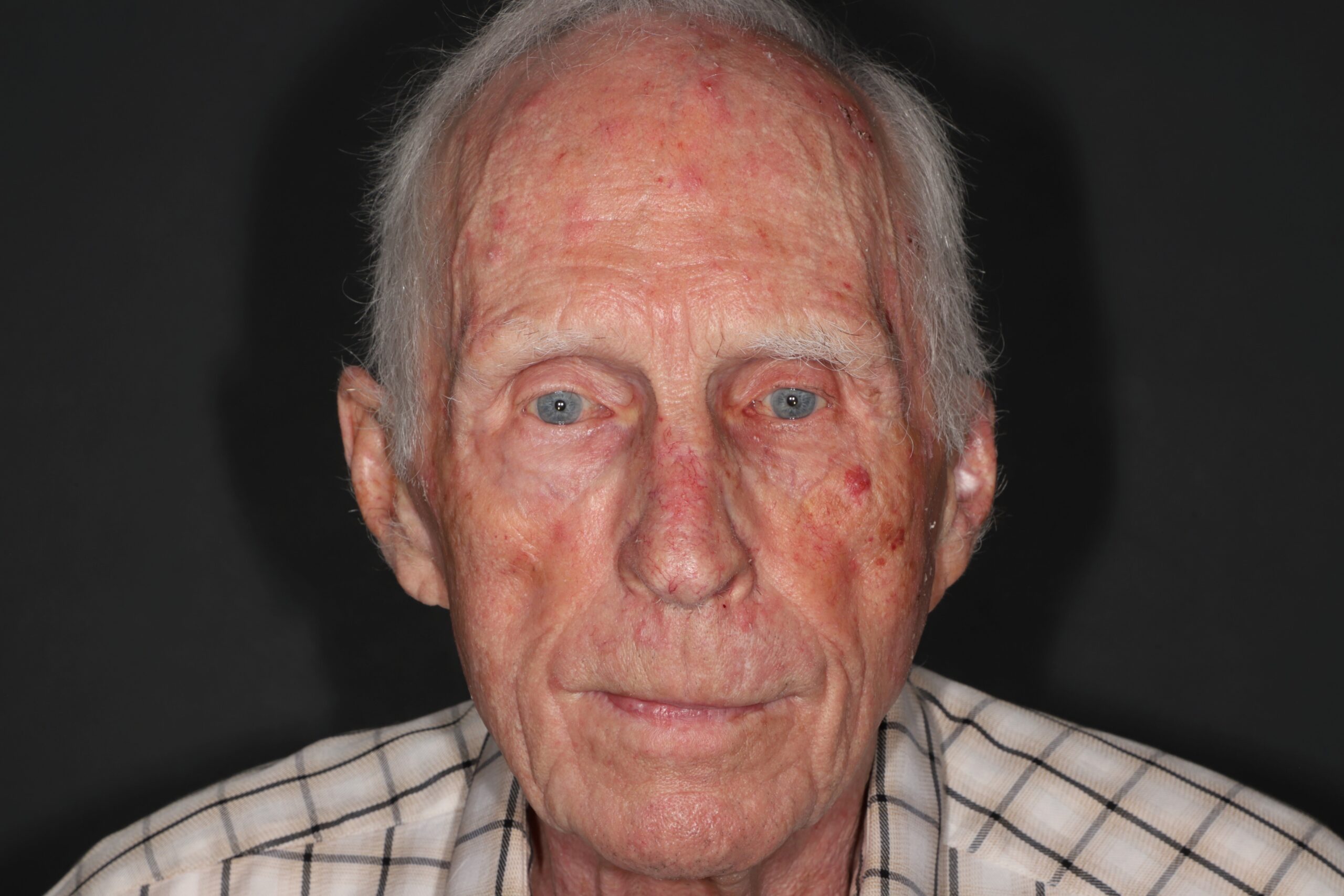
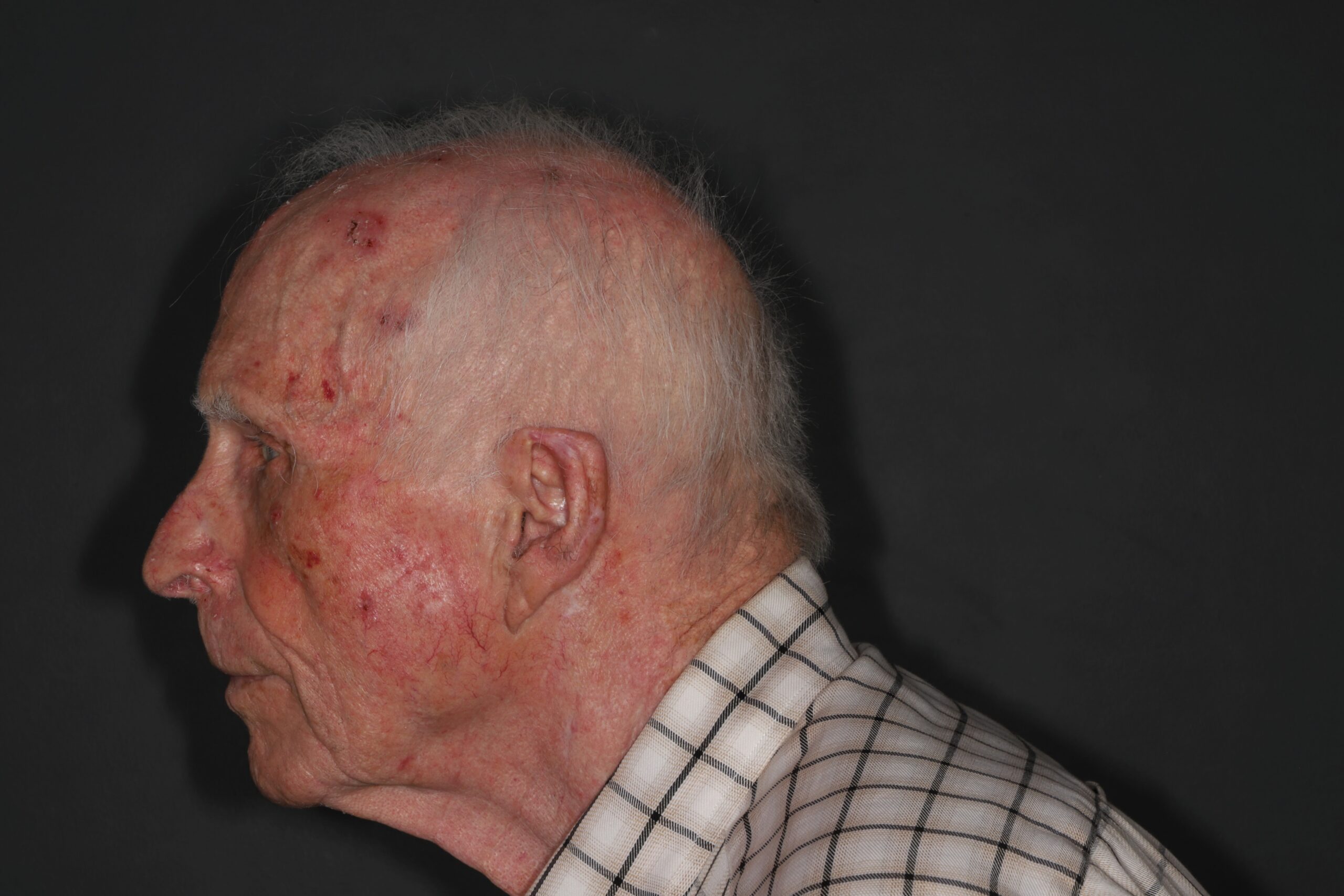
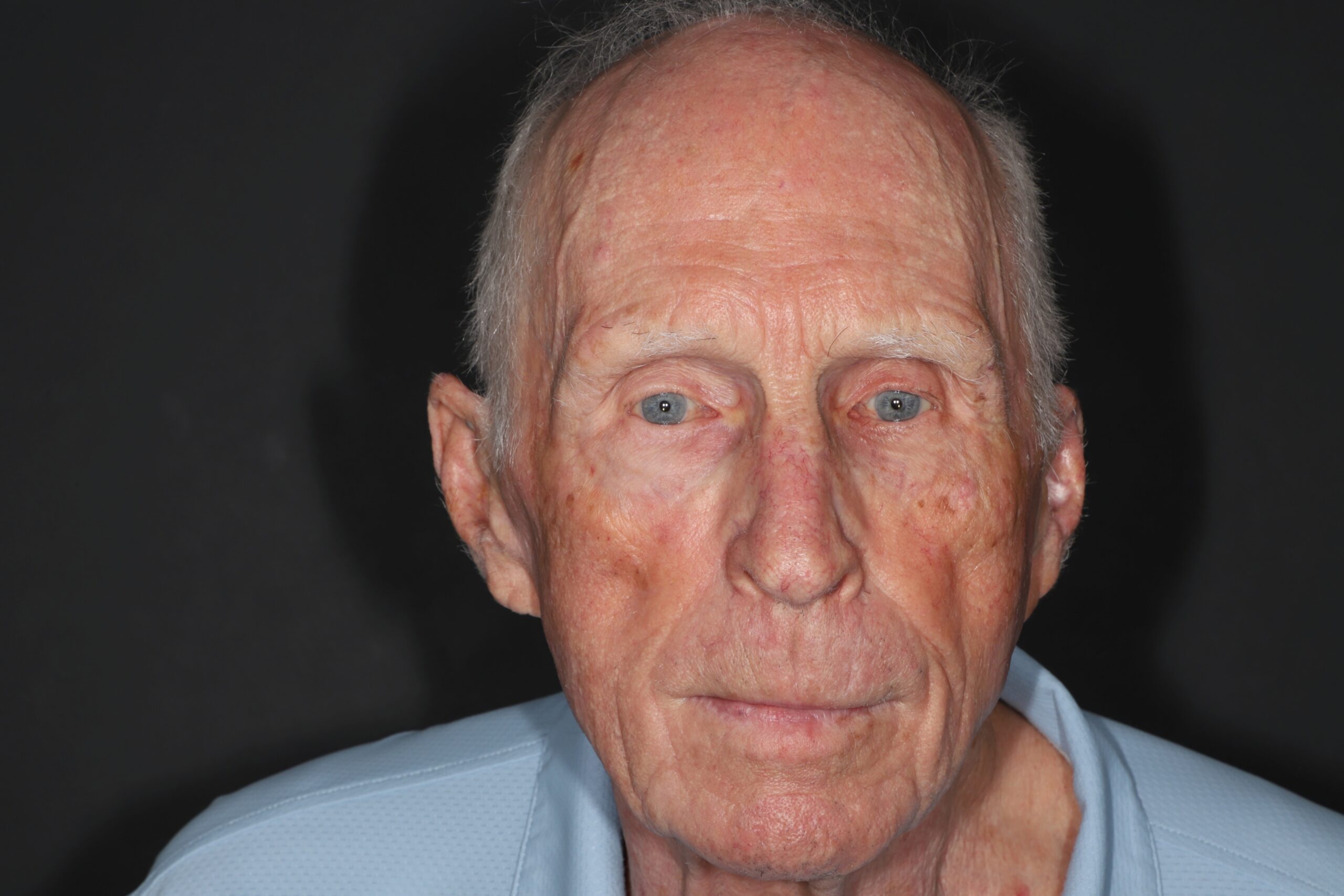
Stinging, burning, or pain can occur during light activation. Redness, swelling, peeling, and crusting may follow. Your care team will discuss comfort measures and explain the light-protection precautions and skin care required afterward.
5-FU or PDT: how do you choose?
Both can be considered for the preventive treatment of actinic keratoses, but they work differently and involve different treatment experiences. With 5-FU, you apply topical chemotherapy at home over a prescribed course. With PDT, light-sensitive medication application and light activation take place in the clinic. Both can cause visible inflammation and require recovery time.
The choice depends on your diagnosis, the treatment area, previous treatment, medical history, and your ability to follow the treatment and aftercare instructions. Appointment commitments, discomfort, and cost also matter.
We will discuss the advantages and limitations of each suitable option so you can make an informed decision with your clinician. Neither treatment is the best choice for every patient or every lesion.
Microneedling-assisted photodynamic therapy
In selected cases, your clinician may recommend microneedling as an additional preparation step before PDT. It creates very small channels in the skin and is intended to help the light-sensitive medication enter the treatment area.
Microneedling is not required for every patient. Its potential benefits and suitability depend on the treatment protocol, and findings from one PDT protocol do not necessarily apply to another. Your clinician will explain why it is being considered, any additional discomfort or risks, and the alternatives.
Watch: Microneedling-assisted photodynamic therapy explained
What to expect from your care
Assessment and treatment planning
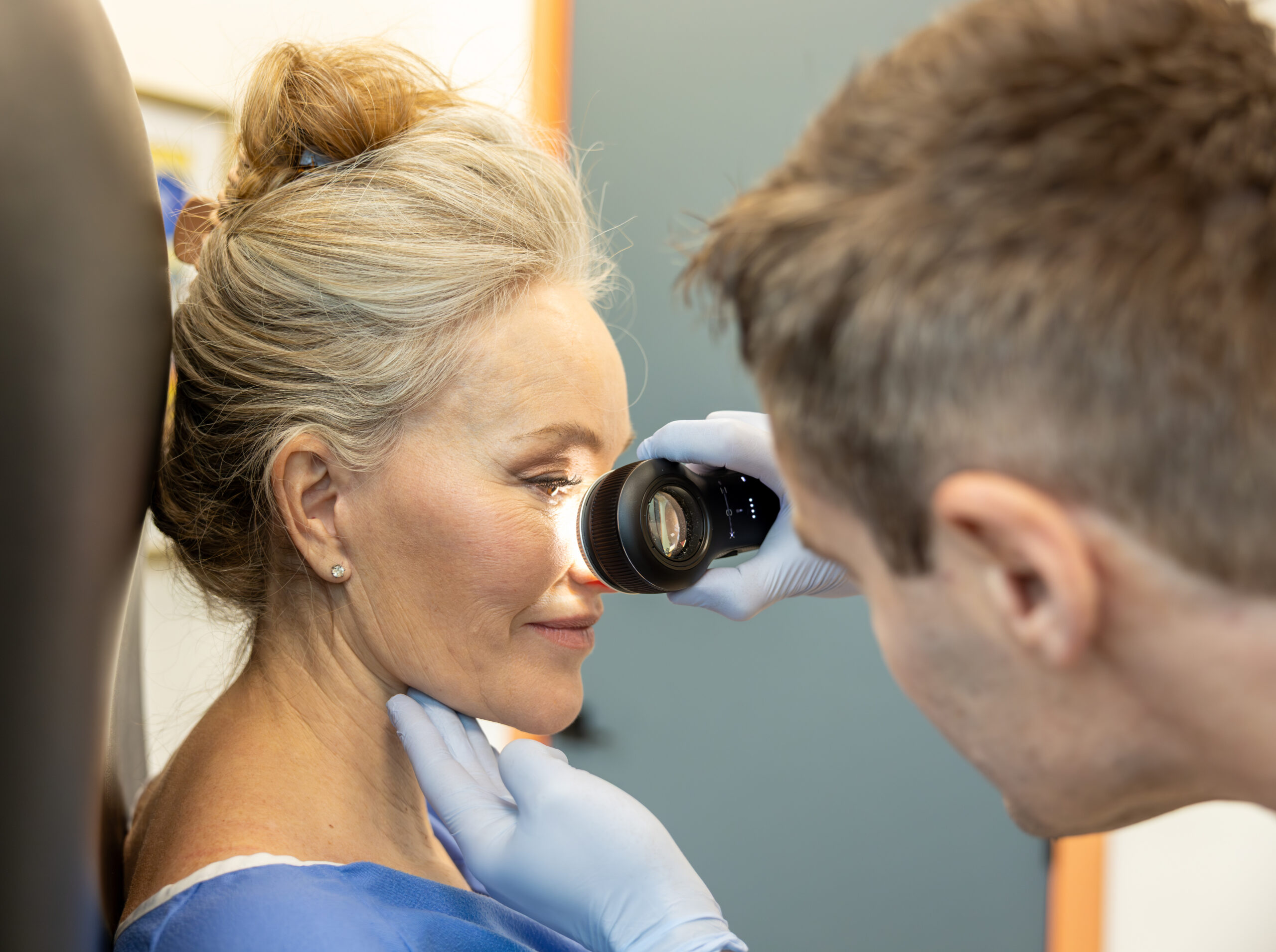
Your clinician examines the treatment area and checks whether any individual lesion needs a biopsy or a different treatment first. We then discuss suitable options, expected skin reactions, recovery, and costs before you decide to proceed.
Preparing for treatment
Tell us about your medications, allergies, pregnancy or breastfeeding, light sensitivity, and any history of cold sores. Include blood-thinning medication in your medication list. Your team will give you preparation instructions specific to your treatment. Do not stop prescribed medication unless the prescribing clinician advises you to do so.
Treatment and recovery
Follow the prescribed cream schedule or attend your planned PDT appointments. Both approaches can cause a temporary inflammatory reaction. Plan around work, social commitments, and sun exposure, and follow your care team’s skin-care instructions. After PDT, follow the specific instructions for avoiding sunlight and other bright light; sunscreen alone does not replace these precautions.
Follow-up
A follow-up assessment checks how your skin has responded and whether further treatment is needed. Individual AKs can clear, but new or persistent lesions still require attention. Even after successful field therapy, you remain at risk of developing squamous cell carcinoma. Ongoing sun protection and skin checks remain important after treatment.
Understand your treatment options
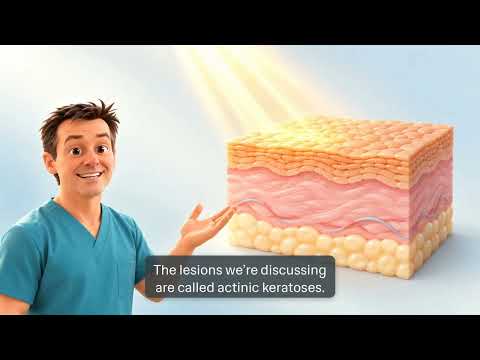
Field therapy overview
An introduction to field therapy for actinic keratoses, precancerous changes caused by sun damage. Watch this overview before exploring the treatment options below.
Topical Chemotherapy or Photodynamic Therapy for Precancerous Skin Lesions?
Compare topical chemotherapy and photodynamic therapy with Dr. Ben Wiese.
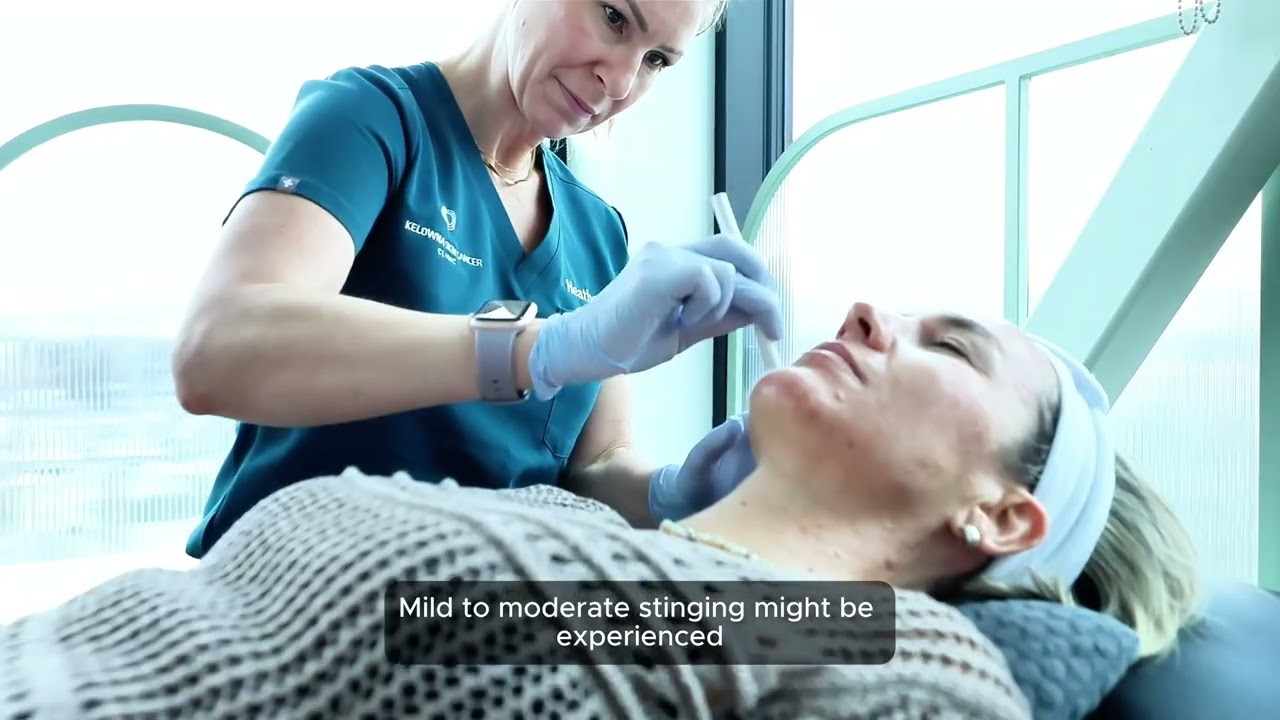
Microneedling-assisted photodynamic therapy explained
See how microneedling may be used as a preparation step before PDT, why it may be considered for selected patients, and what to expect from the procedure.
Understanding treatment reactions
Skin can look more inflamed during treatment before it settles. Redness, scaling, and crusting can occur with both prescription creams and PDT, but the timing and intensity differ between patients and treatments.
A stronger reaction does not, by itself, prove that treatment has been more successful. Contact the clinic for severe or worsening pain, signs of infection, unexpected symptoms, or a reaction you are unsure how to manage. Your treatment instructions will explain when to seek urgent advice.
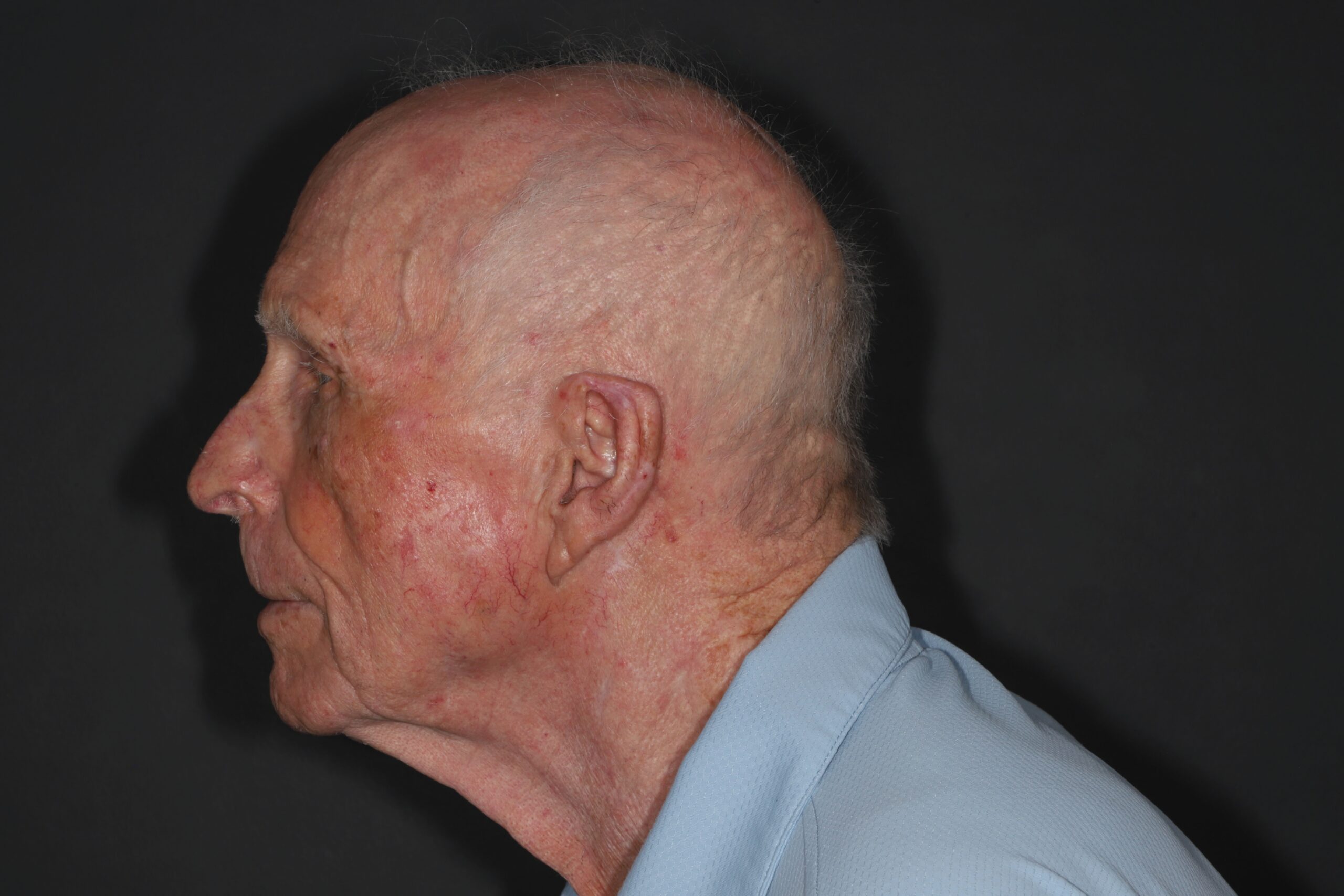
View treatment and recovery photographs
Clinical photographs are shown with informed patient consent for education. They illustrate individual experiences, not guaranteed or typical results. Appearance alone cannot confirm that a skin cancer has cleared.
Topical chemotherapy: Efudex / 5-FU
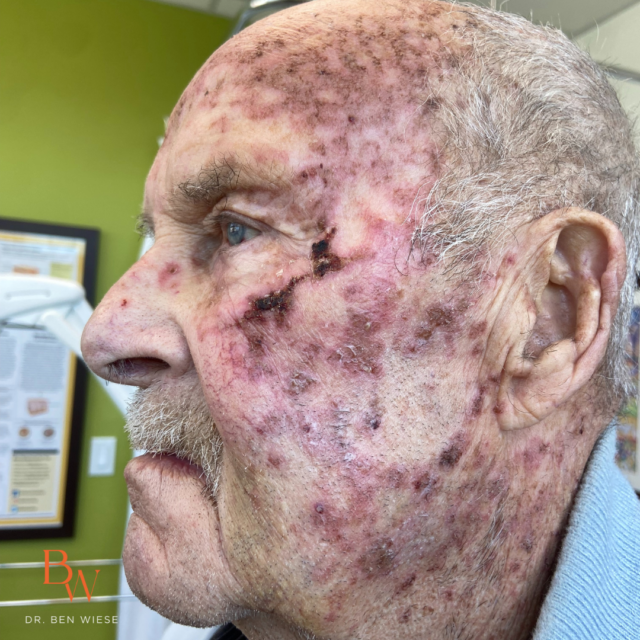
Photodynamic therapy: during and after treatment
Frequently asked questions
Will field therapy replace surgery?
Not always. Field therapy is commonly considered for an area of actinic keratoses. A diagnosed skin cancer needs its own treatment decision, and surgery may be the more appropriate option. These treatments are not a substitute for assessment of a suspicious lesion.
Is treatment painful?
Prescription creams can cause soreness and inflammation during the course. PDT can cause stinging, burning, or pain during light activation, followed by tenderness and visible inflammation. We will discuss the expected experience and suitable comfort measures before treatment.
How long will my skin take to heal?
Recovery depends on the treatment, area, and individual response. With 5-FU, healing can continue for several weeks after application stops. After PDT, visible reactions often settle over one to two weeks, although some last longer. Your clinician will advise you on the likely course for your treatment; these are not guaranteed timelines.
Why are actinic keratoses a chronic condition? Can they be cured?
Individual actinic keratoses can be successfully treated and cleared. However, treatment does not erase all the ultraviolet damage that has accumulated in your skin over many years. The surrounding sun-damaged skin may continue to develop new AKs, and some treated lesions may recur. This is why AKs often need to be managed as a chronic, recurring condition rather than a problem with a guaranteed one-off cure.
The aim is to treat precancerous changes, reduce the risk of progression to skin cancer, and identify new or changing lesions early. Your clinician may recommend further treatment over time, alongside sun protection and regular skin checks. A new AK does not necessarily mean that an earlier treatment failed.
Am I still at risk of squamous cell carcinoma after field therapy?
Yes. Even after treatment with topical 5-FU chemotherapy or red-light PDT field therapy, you can still develop squamous cell carcinoma (SCC). Treating AKs aims to reduce their risk of progression, but it does not eliminate your skin-cancer risk or remove all the underlying sun damage. Clearer-looking skin is not a guarantee that future SCC will not develop.
Continue sun protection and the skin-check schedule recommended for you. Do not wait for your next routine appointment if you notice a new or changing spot that grows, bleeds, becomes persistently tender, or does not heal. It may need a separate assessment or biopsy, even if you have recently completed field therapy.
What will treatment cost?
Costs depend on the treatment recommended and the area being treated. We will discuss costs before treatment so you can make an informed decision. Contact the clinic if you would like to understand the assessment process or ask about fees.
Take an active step in preventive skin care
If you have multiple AKs, recurring precancerous patches, or have been advised to consider field therapy, book an assessment to discuss your next step. Treating precancers is part of managing your long-term skin-cancer risk—not simply improving the appearance of sun-damaged skin.
At Kelowna Private Skin Cancer Clinic, we will discuss whether topical 5-FU chemotherapy, red-light PDT field therapy, or another approach is appropriate for you. You will understand the reasons for treatment, what recovery involves, and why ongoing skin checks still matter.