Skin cancer is one of the most commonly diagnosed cancers in Canada. According to national estimates, more than 80,000 cases occur each year, including over 5,000 melanoma cases. For some individuals, surgery may be part of the recommended management plan. Understanding the different surgical approaches can help patients feel more informed before discussing options with their healthcare provider.
Mohs Surgery
Mohs surgery is a precise technique often used for certain types of skin cancers, particularly when preserving as much healthy tissue as possible is important. During this procedure, thin layers of skin are removed and examined immediately under a microscope. The process continues layer by layer until no further cancer cells are seen in the removed tissue.
Because of the way it is performed, Mohs surgery may be considered for cancers in areas where spare tissue is limited, such as the face. Access to Mohs surgery can vary by region, and wait times may differ between cities.
Excision
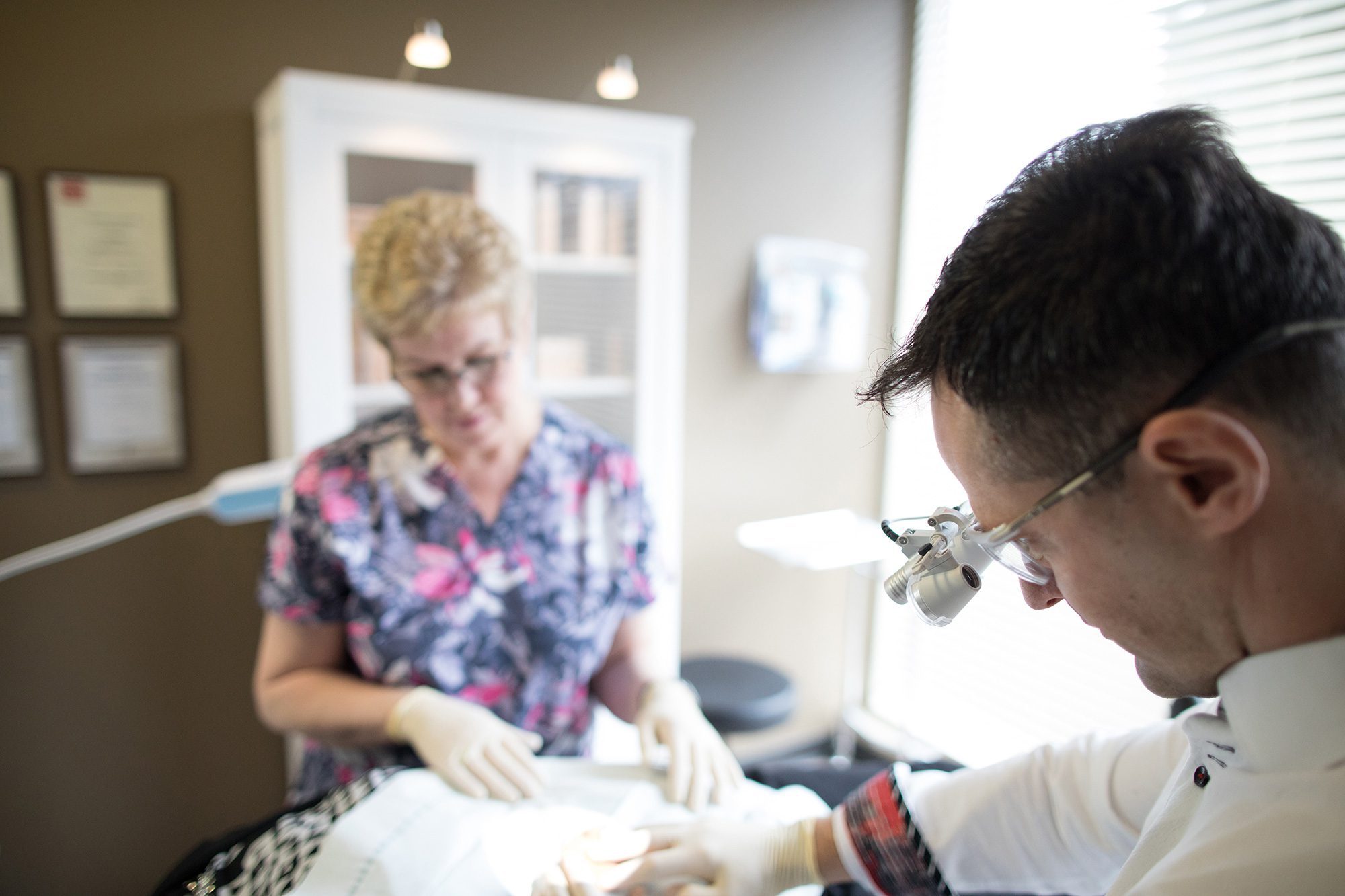
During a standard surgical excision, the tumour is removed along with a margin of surrounding skin. The area is first cleaned and numbed with local anesthetic. The physician removes the tissue in one piece, and the site is then closed with stitches.
The removed tissue is sent to a pathology lab to confirm the diagnosis and determine whether the margins are clear. If the report shows remaining cancer cells, additional excision may be recommended. Scarring is expected after any surgical procedure, and the size and appearance of a scar can depend on the size and location of the tumour.
Curettage and Electrodesiccation
This technique may be considered for some superficial basal cell or squamous cell carcinomas. It involves gently scraping the lesion with a specialized instrument, followed by the use of an electric needle to treat the area. Because it removes tissue at the surface level, it is not typically used for lesions that appear deeper or more advanced. As with other procedures, scarring can occur.
Laser Surgery
Laser surgery may be used for certain superficial skin lesions that have not invaded deeper layers. It uses a focused beam of light to target affected tissue. Laser surgery is not offered at the Kelowna Skin Cancer Clinic.
If you’d like a patient-friendly external reference, the Skin Cancer Foundation offers general information about various treatment approaches.
Lymph Node Removal
For some individuals diagnosed with melanoma, a surgeon may recommend removing one or more lymph nodes for examination. This can help determine whether cancer cells are present in nearby lymph nodes, information that can guide further treatment planning. These procedures are typically performed by a general surgeon or surgical specialist in a hospital setting.
Supporting Your Skin Health
Understanding the different surgical options for skin cancer can help you feel more prepared when discussing next steps with your healthcare provider. Each approach has its own considerations, and the most appropriate option depends on the type of skin cancer, its location and individual medical needs. If you notice a new or changing spot on your skin, or have concerns about a past diagnosis, speaking with a physician can help guide your care.


