Many Canadians spend the colder months looking forward to summer. Here in the Okanagan, long sunny days often mean time outdoors and at the lake. With that excitement can come the temptation to start the season with a “base tan” or a “healthy glow” from a tanning bed.
Ironically, that glow is a sign of skin damage. Any tan—sun-induced or from a tanning bed—shows your skin has already been injured by ultraviolet (UV) light. Research from the Skin Cancer Foundation notes that even one blistering sunburn in childhood can increase the risk of melanoma, the most serious form of skin cancer:
With warmer weather on the way, you may be thinking about getting a base tan. Below, we explain why base tans don’t protect your skin and what actually helps reduce UV-related risks.
Base tans are a sign of skin damage
Tanning is caused by UVA radiation. These rays penetrate the skin and trigger the production of melanin, the pigment responsible for tanning. Melanin is your body’s natural defence – it darkens to help shield deeper skin layers from further injury. A base tan does not prevent sun damage; it simply shows that damage has already happened.
UVA exposure can affect more than the skin’s appearance. It can weaken the immune system’s ability to repair damage and may contribute to the development of melanoma by harming the DNA in skin cells. Melanoma can spread to other parts of the body if not detected early.
If you want to learn more about melanoma signs and risk factors, we have a detailed overview on our Melanoma information page.
Know what you’re signing up for
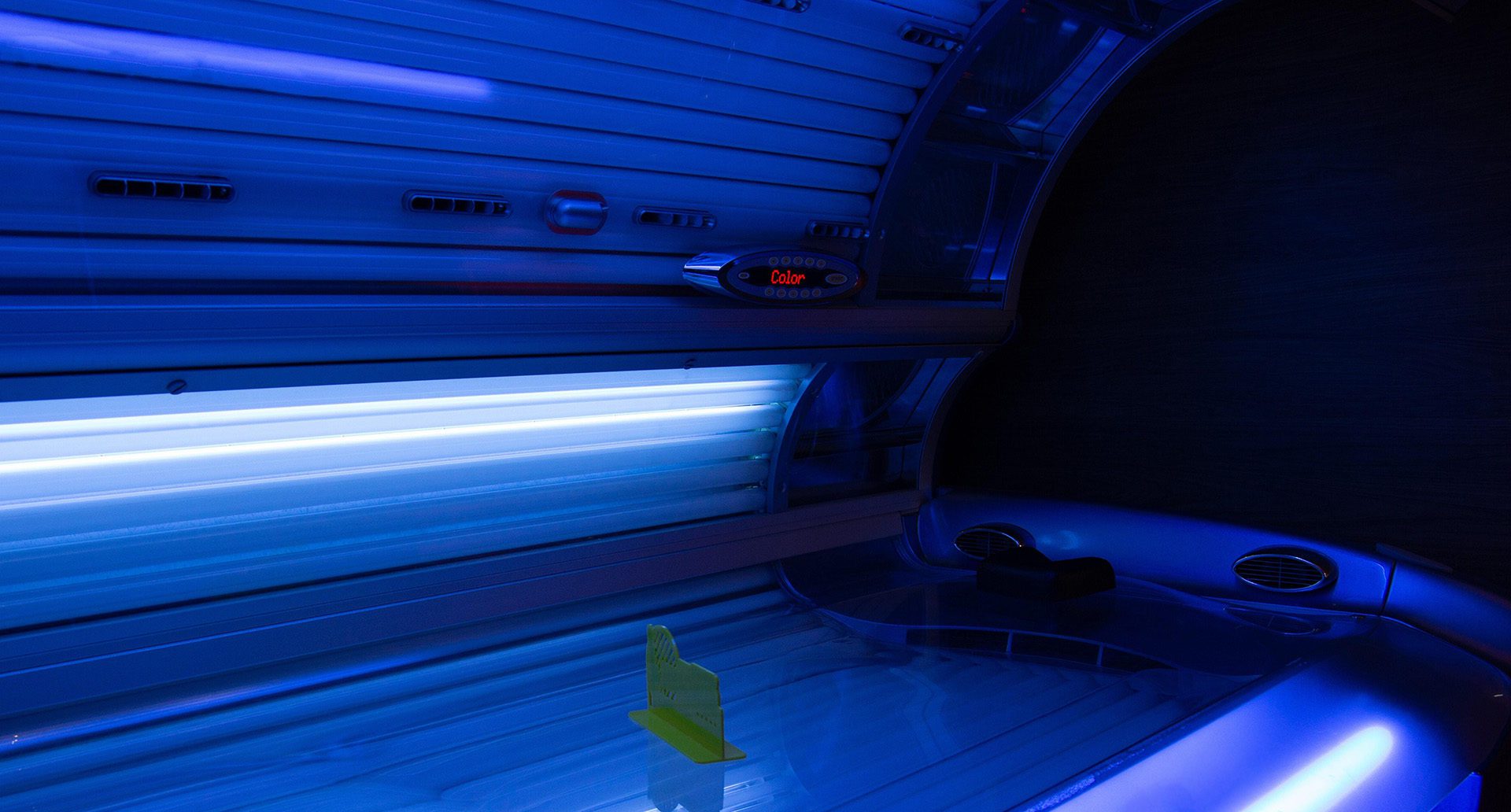
A common misconception is that tanning beds offer a safer alternative to sunlight. In reality, tanning beds expose you to concentrated doses of UV radiation, which increases the risk of developing skin cancer over time.
People using tanning beds typically receive a fixed, uninterrupted amount of radiation without the kinds of natural behavioural cues (like seeking shade or applying sunscreen) that might occur outdoors. Users also rarely wear protective clothing or sunscreen.
The World Health Organization’s International Agency for Research on Cancer (IARC) classifies tanning beds as “carcinogenic to humans”.
Tanning myths to rethink
There’s a lot of misinformation about tanning, especially in sunny regions like the Okanagan.
“I need a base tan to prepare for the summer.”
A tan does not prevent sunburn or protect your skin from future damage. It simply reflects skin injury that has already taken place.
“Tanning gives me vitamin D.”
UV exposure is not a risk-free way to get vitamin D. Many people meet their needs through food and supplements. If you choose to get vitamin D from sunshine, it generally requires far less time outside than people expect – often just a brief period of exposure, adjusted for skin tone and sensitivity.
“Most skin cancers can be cured.”
Many skin cancers can be treated effectively when caught early, but they can also be serious or even life-threatening. If you’re unsure what to look for, our Skin Screenings page explains how screenings work and what they can detect.
How to protect your skin

There are safer and more effective ways to prepare for summer than seeking a base tan.
- Wear UV-protective clothing. Seeking shade and wearing UPF-rated hats and clothing can help limit UV exposure.
- Use sunscreen daily. Choose a broad-spectrum, water-resistant sunscreen with an SPF of 30 or higher. Mineral and chemical formulas can both work well – pick one you’ll use consistently. Sunscreen should be applied daily and reapplied as directed, especially during summer months.
- Support skin health. Vitamins A, B, C, and E play a role in overall skin health, but they are not a substitute for sun safety practices. Speak with a health-care provider if you have questions about supplementation.
Enjoy a sun-safe summer
As summer approaches, it may be worth rethinking tanning habits—whether outdoors or in a salon. Preparing for sunny months doesn’t require UV exposure. Choosing protective strategies instead of tanning can help reduce your risk of UV-related skin damage.
If you have questions about your skin or want guidance on monitoring changes, you’re welcome to book an appointment with the Kelowna Skin Cancer Clinic.


