Sunscreen has been available for many years, yet there is still confusion about who needs it and which type is best. As more people pay attention to ingredients in personal care products, questions about sunscreen formulations have become increasingly common.
Many people assume they must choose between chemical and organic sunscreen, but those terms can be misleading. Chemical sunscreens can be organic, and both mineral and chemical formulations can be effective options. With so many choices available, it helps to understand how each type works and what might suit your needs.
In this post, we explain who benefits from sun protection, outline the differences between common sunscreen categories, and discuss how to build a safe approach to time outdoors.
Who Needs Sun Protection?
Everyone can benefit from daily sun protection. UV exposure can damage the skin over time and contributes to conditions such as premature aging and skin cancers including melanoma. Limiting UV exposure is an important part of prevention. Broad spectrum sunscreen of SPF 30 or higher is widely recommended and should be reapplied regularly.
Some people have skin sensitivities or conditions that require additional precautions. Sun allergy is a general term for several reactions that cause an itchy red rash after sun exposure. Individuals with these conditions may need to avoid the sun during peak hours or use protective clothing in addition to sunscreen. For infants under six months, the Skin Cancer Foundation recommends shade and protective clothing rather than sunscreen.
Now let’s look at the differences between mineral, chemical, and organic sunscreen categories.
Mineral Sunscreen

Mineral sunscreens use ingredients like zinc oxide and titanium dioxide to form a physical barrier that reflects and scatters UV rays. These products sit on top of the skin rather than being absorbed.
Mineral sunscreens work immediately after application, which some people find convenient. They can rub or wash off more easily, so water resistance and frequent reapplication are important. Traditional formulations sometimes left a white cast, although modern versions blend more smoothly.
When choosing a mineral sunscreen, look for zinc oxide and titanium dioxide to ensure UVA and UVB coverage. Some mineral sunscreens made without nanoparticles are also marketed as reef friendly, though standards vary by jurisdiction.
Chemical Sunscreen
Chemical sunscreens absorb UV rays and convert them into heat that is released from the skin. They usually need 20 to 30 minutes after application to become fully effective because they rely on absorption.
Approved ingredients vary by country. In Canada, Health Canada evaluates sunscreen filters for safety and effectiveness before allowing them to be used in non-prescription products. Water resistant and sweat resistant products are often chemical formulations, which some people prefer for sports or swimming.
Chemical sunscreens can feel lighter on the skin, making them a comfortable option for many users.
What Does Organic Mean in Sunscreen?
The term organic can be confusing. In chemistry, organic simply means carbon based. Many common sunscreen filters are organic molecules rather than mineral compounds. This meaning is different from organic agriculture or organic cosmetics certification.
Some sunscreens marketed as organic contain a high percentage of plant based or naturally derived ingredients in addition to their UV filters. Certification standards vary, but generally these products must contain at least 70 percent certified organic ingredients to use the label. It is important to read the ingredient list because organic does not necessarily mean mineral or chemical free.
There is no right or wrong choice. What matters most is selecting a broad spectrum sunscreen that you will use consistently and that fits your skin type and activities
Multiple Lines of Defence
Sunscreen is an important tool, but only when used correctly. Many people apply too little product or forget to reapply during activities such as swimming or hiking.
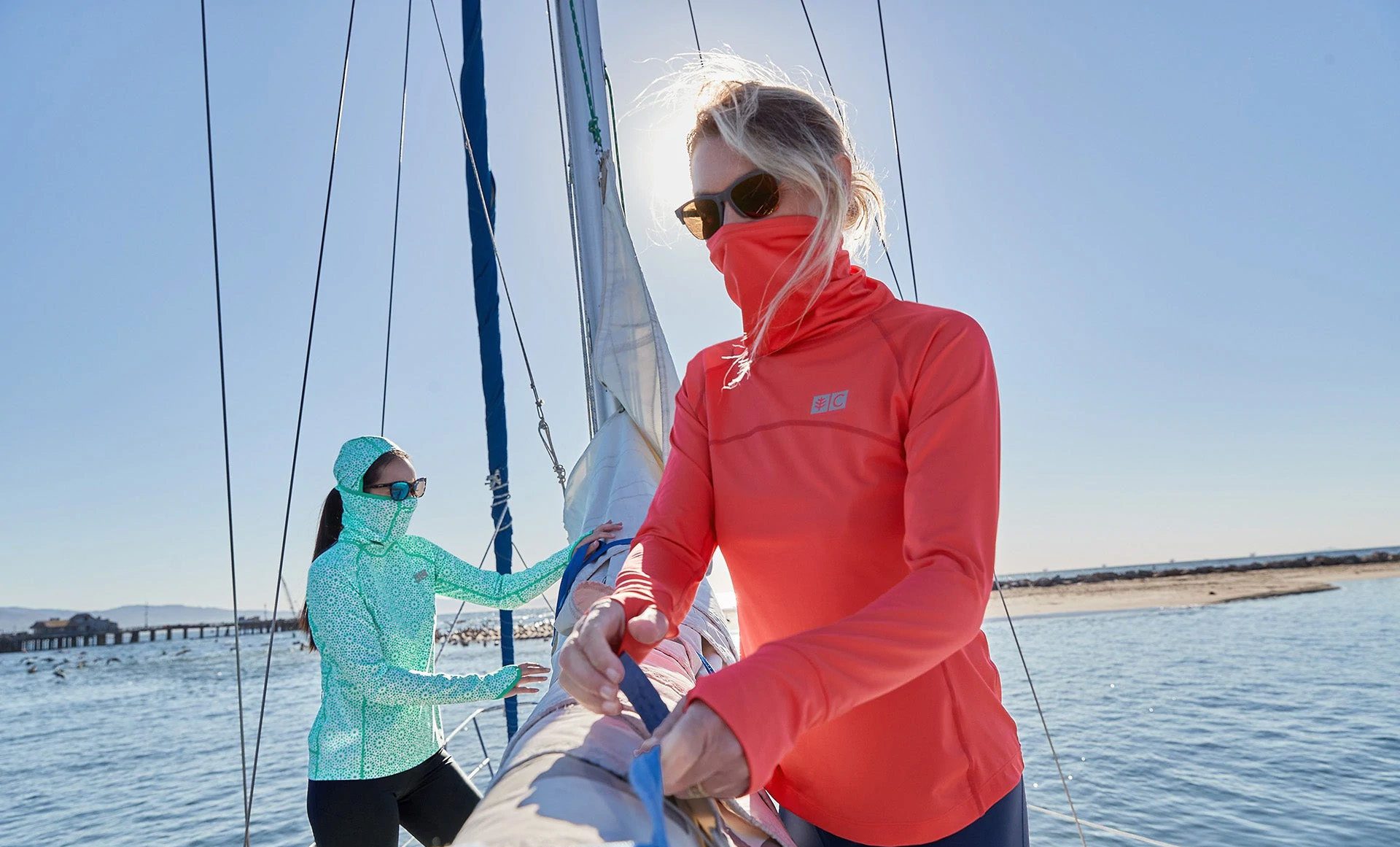
Sun protective clothing, hats, and shade are highly effective because they reduce exposure at the source. Research supports clothing as a key factor in lowering UV exposure. For an overview of sun protection basics, see our Sun Protection page.
Choosing the right combination of sunscreen and protective clothing may take some trial and error. Labels can be confusing, so focusing on broad spectrum coverage, SPF rating, water resistance when needed, and reliable reapplication is a helpful way to start.

Why Sun Protection Matters
Being proactive about UV protection helps you enjoy the outdoors more safely. Sun protection is an important part of reducing your lifetime UV exposure, which plays a role in the development of skin cancers such as melanoma, basal cell carcinoma, and squamous cell carcinoma. To learn more about how these cancers develop, visit our Skin Cancer 101 page.
Hurdles in Skin Cancer Prevention
There are two common challenges in prevention:
1. Misunderstanding sunscreen use
Sunscreen is often seen as the only line of defence, which can create a false sense of security. Applying too little, forgetting to reapply, or choosing too low an SPF can reduce protection.
2. Access to protective clothing
Long sleeve shirts, pants, and wide brimmed hats offer excellent coverage. Darker and tightly woven fabrics generally provide more protection. Clothing is an effective and consistent barrier because it does not wear off like sunscreen.
Getting Help With Sun Protection
If you have questions about sun safety or are unsure which protection strategies are right for you, you are welcome to contact the Kelowna Skin Cancer Clinic for guidance. Our team can help you understand your options and support you in building sun safe habits.


