When temperatures drop, it is easy to start thinking about warm weather getaways. After several years of limited travel, many people are planning trips to sunnier destinations. If you are heading south this winter, sun protection should be part of your packing list. This article explains why protection matters and how to stay safe while enjoying time outdoors.
Vitamin D & warm-weather appeal.
Sunlight plays a role in vitamin D production. UVB rays help convert vitamin D precursors in the skin into a usable form. While sunlight can support this process, most people can meet their daily needs through food sources and supplements if necessary. For general guidance on vitamin D requirements, the Government of Canada provides an overview.
Sunshine can also improve mood, encourage outdoor activity, and support overall well-being. We are not suggesting avoiding the outdoors. At the Kelowna Skin Cancer Clinic, we promote safe and enjoyable outdoor lifestyles. The key is balancing time in the sun with habits that limit unnecessary UV exposure.
Most people need only a brief amount of sunlight for vitamin D production, often around 10 to 15 minutes several times a week. Even with protective clothing and sunscreen, you may still receive some incidental UVB exposure.

Why sun protection matters more than you think
Minimal UV exposure may have benefits, but excessive exposure can damage the skin and eyes. UV radiation can cause tanning, burning, and DNA injury. Over time, this damage may contribute to premature aging, immune system effects, eye conditions, and skin cancers such as melanoma, squamous cell carcinoma, and basal cell carcinoma. To learn more about different skin cancer types, visit our Skin Cancer 101 page.
UV rays are present year round. Several factors can increase their strength or how they interact with your skin.
- Skin Type. People with lighter skin tend to burn more easily, especially after spending months indoors during the winter.
- Time of day.
The sun is strongest between 10 am and 4 pm. Many vacation activities take place during these peak hours. - Unshaded areas. Walking through cities, outdoor markets, or open beaches without shade can lead to unintentional sun exposure.
- Surface reflection. Sand, snow, and water reflect UV rays, increasing your total exposure. Even beneath a beach umbrella, indirect rays can still reach your skin.
- UV Index. The UV Index rates the strength of UV radiation. Higher numbers mean you can burn more quickly. Environment Canada provides UV Index information and safety guidance here.
Regardless of the UV Index, preparing with protective clothing, sunscreen, and shade is always a good idea.

Your winter vacation sun protection checklist
Packing lists usually include travel essentials. Consider adding a few items that support sun safety so you can enjoy your trip without the discomfort of sunburn.
- Sunscreen. Choose a broad spectrum sunscreen with SPF 30 or higher. Reapply as directed on the label.
- SPF lip balm. Lips can burn easily. An SPF lip balm provides simple but important protection.
- Sunglasses. UV radiation can contribute to several eye conditions. Look for sunglasses labeled UV400 or that state they block 100 percent of UVA and UVB rays.
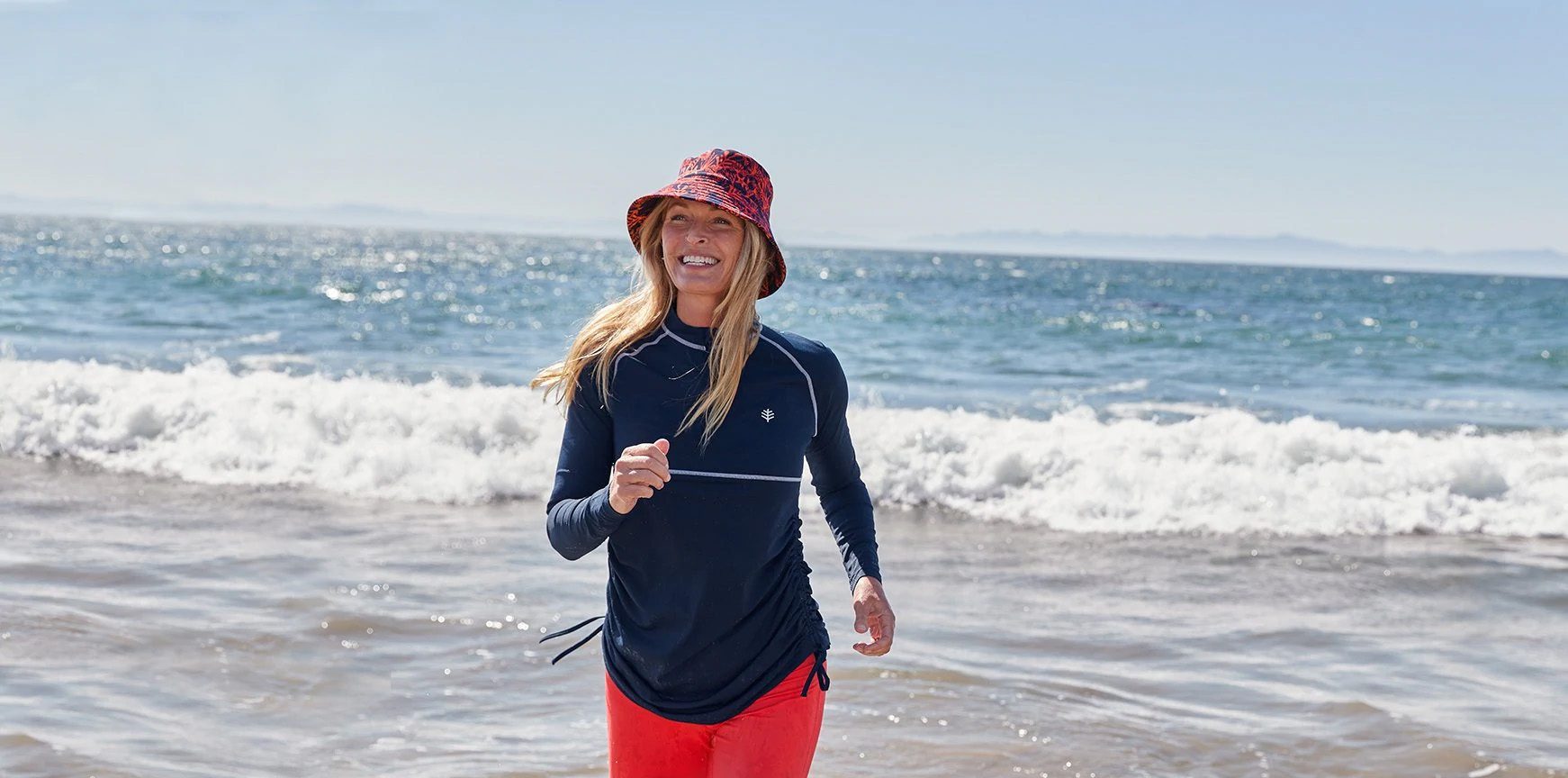
- Wide-brimmed hat. Hats with a tight weave or designated UV protection can help cover the face, ears, and neck.
- UV protective clothing. Regular clothing often has a UPF of about 5. Designated UPF clothing offers much stronger protection even when wet. UPF 50+ garments are considered a high standard for shielding UVA and UVB radiation.
- Indoor alternatives during peak UV hours. Planning visits to museums, galleries, markets, or cafes during midday can help reduce your overall exposure.
Prevention is the best medicine.
Do not forget to bring your sun protective gear when you travel. Preparing ahead of time helps reduce your risk of UV damage and makes your vacation more comfortable.
If you are spending an extended period in a sunny destination, you may find our Sun Care for Snowbirds article helpful.
If you have questions about staying sun safe on your winter holiday or would like personalized guidance, you are welcome to contact the Kelowna Skin Cancer Clinic for more information.


